
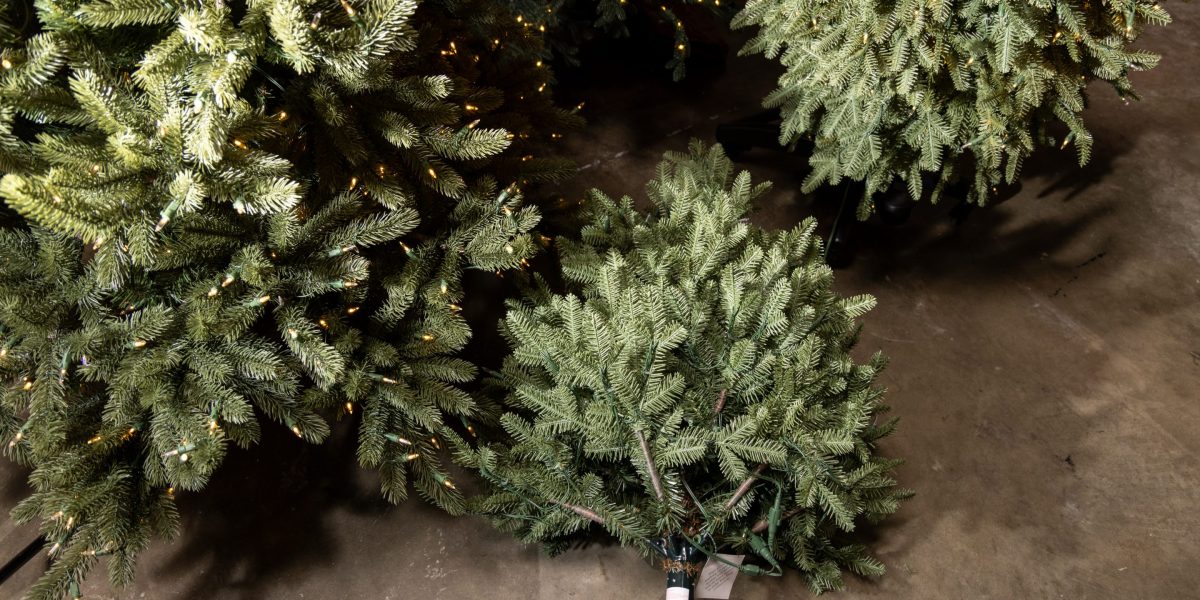
Christmas Tree costs Rise as Tariffs Add Pressure to Holiday budgets
American consumers face slightly higher prices for artificial Christmas trees this year,a result of tariffs imposed on imports from China.Approximately 85% of the 20 million artificial trees sold annually in the U.S. are manufactured in China, representing around 90% of the total market. Earlier this year,threatened tariffs reaching as high as 145% created important disruption for sellers.
While the tariff rate was later reduced to 20%, the initial uncertainty prompted some distributors to pause production in China and explore option manufacturing locations. According to industry leaders, this has translated into a price increase of 10% to 15% for consumers.
“We have raised prices and I think most companies have raised prices,” stated Chris Butler, CEO of National Tree Co., a major distributor selling roughly one million trees per year.
Despite the price increases, Butler noted potential for deals as consumers may delay purchases. The average artificial tree is replaced every five years, and higher costs coudl encourage some to postpone buying a new one. A significant portion of sales – 80% – occur after November 1st, and most artificial trees are priced between $100 and $300, making the tariff impact noticeable for many shoppers already navigating economic concerns.
“We’re seeing a bit of softness early in the season for Christmas trees, and we may have to give back some of those price increases and promotions to get back to where we need to be,” Butler explained.
National Tree Co. has been proactively diversifying its supply chain, shifting production to countries like Cambodia, Vietnam, and Thailand. Currently, about 50% of their production is located outside of China. Major retailers, including Walmart and Home Depot, have already begun placing orders for the 2026 holiday season.
The industry has been actively lobbying for tariff stability to avoid further disruption. Representatives from a group of ten large distributors, including Butler, have met with officials such as U.S. Trade Representative Jamieson Greer, faith-based organizations at the White House, and five senators, advocating for affordable Christmas trees.
the natural Christmas tree market appears largely unaffected by the trade tensions. The majority of natural trees sold in the U.S. are grown domestically, with most imports coming from Canada, which is exempt from the tariffs under existing trade agreements.
Rick Dungey, executive director of the National Christmas Tree Association, reported brisk business for natural tree farmers.He emphasized the enduring tradition of purchasing a Christmas tree, stating, “It’s about memories…It’s about feelings.And it’s once a year,right?”
