
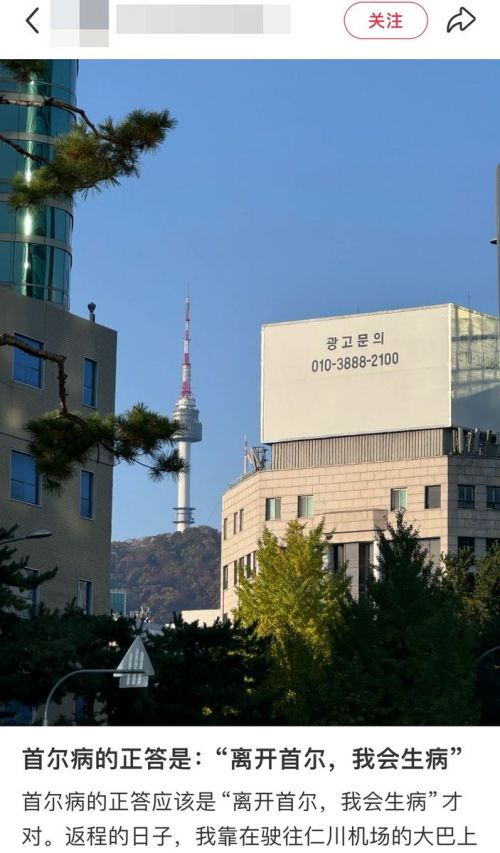
South Korean Travel Sparks ‘Seoul Disease’ Among Chinese MZ Generation Amid Rising Anti-China Sentiment
Seoul, South Korea – A growing number of young Chinese tourists are reportedly experiencing what’s being dubbed ”Seoul disease” – a complex of psychological distress including feelings of unease, anxiety, and even shame – stemming from perceived hostility and discrimination during visits to South Korea. The phenomenon is unfolding against a backdrop of increasingly negative public opinion towards China within South Korea and isolated incidents of businesses explicitly refusing service to Chinese customers.
The term, coined by Chinese social media users, reflects a sense of discomfort experienced by members of China’s “MZ generation” (Millennials and Gen Z) while traveling in Seoul. While initially framed as a reaction to perceived snobbery or unwelcoming attitudes from some south Korean service staff, the issue has become entangled with broader geopolitical tensions and rising anti-china sentiment within the country. This is prompting concerns about the future of Chinese tourism to South Korea, a sector previously vital to the Korean economy, and raising questions about cross-cultural understanding.
Some observers caution against generalizing ”Seoul disease” as a worldwide experience. Reports indicate that language barriers and instances of racial discrimination contribute to negative experiences for some Chinese tourists. Recent incidents highlight the issue: a cafe in Seongsu-dong, Seoul, temporarily posted a notice on social media stating it would not except Chinese customers, citing attempts to prevent conflict between Chinese and Korean patrons amid intensifying anti-China feelings. The cafe has since removed the post. Similarly, a restaurant in Buk-gu, daegu, publicly announced it would refuse Chinese customers, explicitly stating a preference for “noisy” Korean patrons.
A June 2023 survey by the East Asia Institute (EAI) revealed that 66.3% of 1,509 South Korean adults held a negative impression of China, more than double the 25.6% with a positive view. The primary reasons cited for this negative perception were unfavorable perceptions of chinese people’s character and behavior (58.1%), dissatisfaction with China’s communist one-party political system (39.5%), and concerns over China’s economic coercion and retaliatory measures (36.9%).
The situation is being closely monitored by tourism officials and industry analysts, who fear that continued negative sentiment could significantly impact the flow of Chinese tourists to South Korea. reporter Heo Mi-dam of Asiae is following the developing story.
