
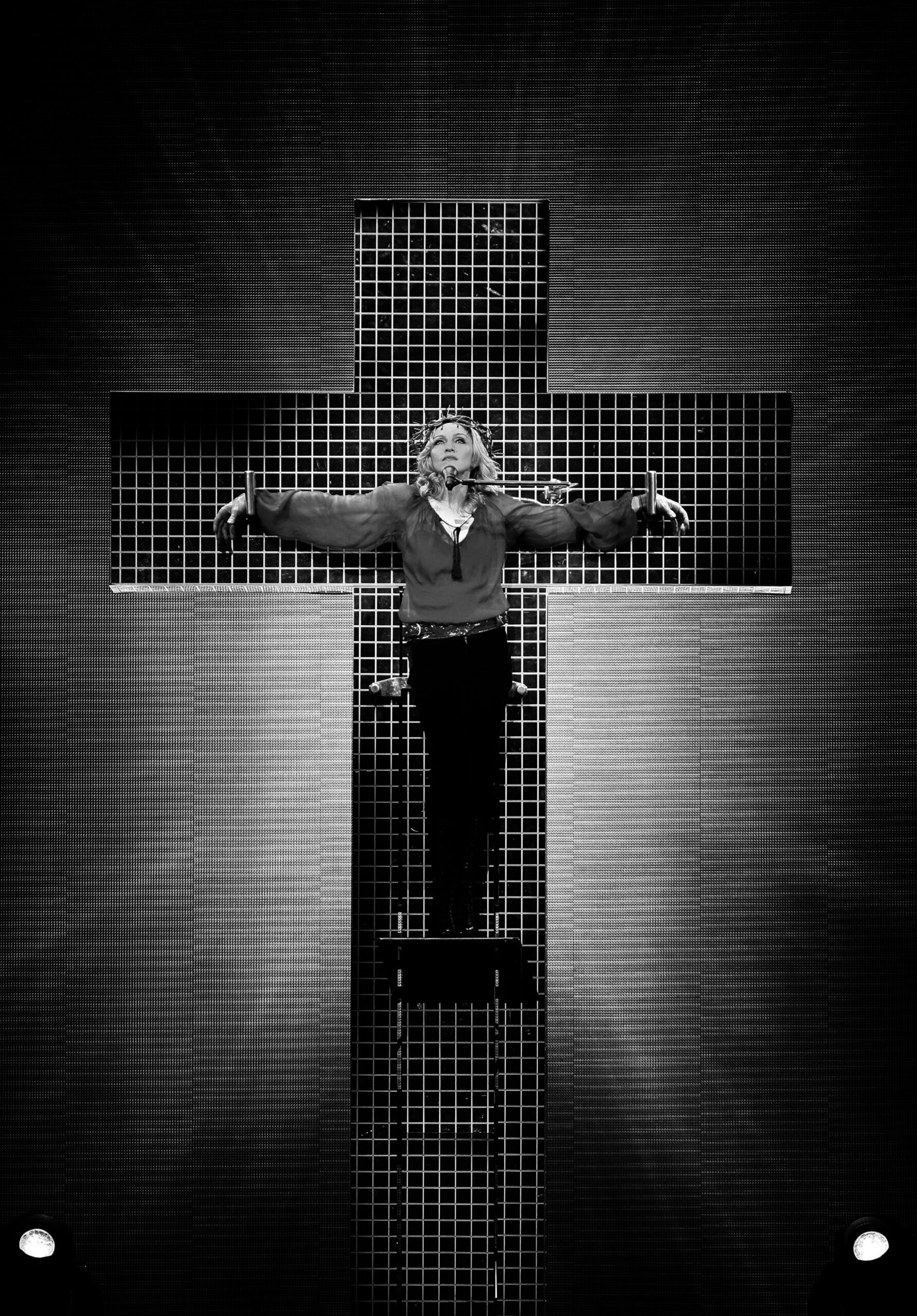
Pop Stars Spark Controversy with Religious Imagery, Leading to Backlash and Investigations
new York, NY – A series of incidents involving prominent musicians utilizing religious settings and symbolism in their work has ignited controversy, prompting legal action, apologies, and even financial investigations. Lil Nas X, MSCHF, and Sabrina Carpenter have each faced criticism for projects perceived as disrespectful or exploitative of Christian faith.
The disputes began with Lil Nas X’s 2021 release of “MONTERO (Call Me By Your Name)” and the accompanying Satan Shoes, a collaboration with MSCHF featuring a drop of human blood.nike filed a complaint against MSCHF for trademark infringement, resulting in a court order halting sales and a recall of the shoes. in 2024, Lil Nas X released the song J Christ, immediately drawing condemnation from some evangelical groups who accused him of desecrating Jesus. Lil Nas X later stated he “poorly managed” the promotion, clarifying the title was intended as a metaphor for rebirth, though the controversy overshadowed the song’s queer themes.
More recently,Sabrina carpenter’s music video for “Feather,” released in October 2023,sparked outrage after being filmed without the knowledge of the priest at the Blessed Virgin Mary Church in Brooklyn. The video features Carpenter dancing in a church amongst pastel coffins, representing abusers. Father Jamie J. Gigantiello publicly apologized and was subsequently suspended by the Diocese of Brooklyn. A year later, Gigantiello faced accusations of embezzling funds. Carpenter responded to the criticism with a lighthearted remark,stating,”Jesus was a carpenter.”
These incidents highlight a growing tension between artistic expression, religious sensitivity, and the use of sacred spaces for commercial or artistic purposes. The controversies continue to fuel debate about the boundaries of creative freedom and the responsibility of artists when engaging with religious themes.
