
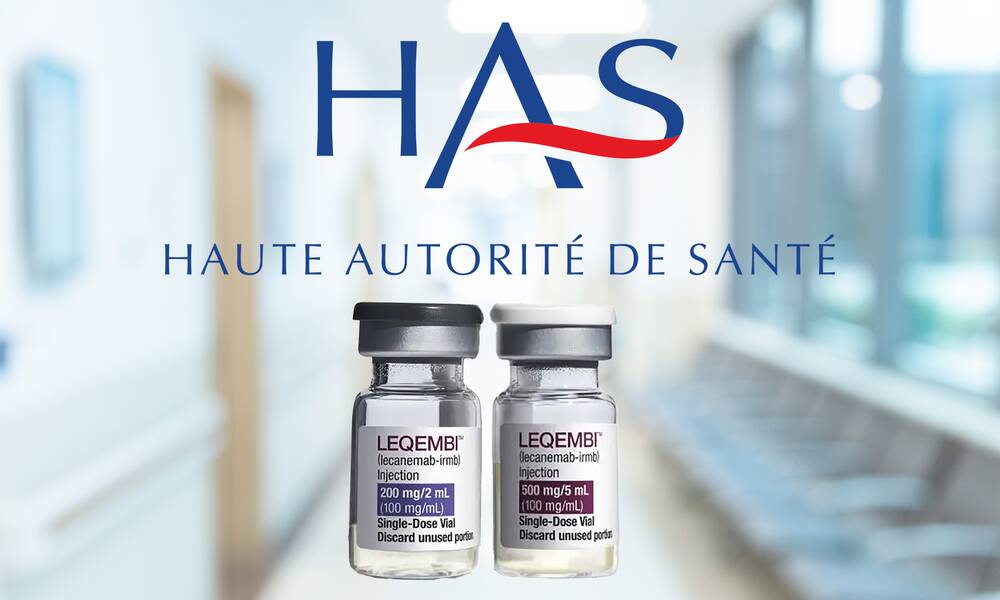
Alzheimer’s Drug Leqembi Faces Reimbursement Denial in France
Paris, France – November 14, 2025 – France’s High Authority for Health (HAS) has recommended against public reimbursement for lecanémab (Leqembi), a recently approved drug for early-stage Alzheimer’s disease, citing minimal clinical benefit and potentially serious side effects. The decision follows an earlier HAS refusal of early access to the medication, effectively limiting access to patients able to afford the considerable out-of-pocket cost.
the HAS concluded that “Leqembi has no place in the therapeutic strategy” for Alzheimer’s, determining its effectiveness on early forms of the disease is limited and not proven long-term. This assessment echoes concerns raised when the European Medicines Agency (EMA) initially hesitated to authorize the drug, ultimately granting approval after prior rejection.
The agency’s negative opinion stems from the drug’s potential for adverse effects – including brain edema and hemorrhages – which necessitate rigorous monitoring through genetic testing and regular MRI scans. The HAS deemed this level of monitoring an unsustainable burden on the French healthcare system given the limited demonstrated health benefits.
This decision aligns France with the United Kingdom, which also declined to fund the drug, while contrasting with Germany and Austria, which have signaled support for reimbursement. The controversy underscores the urgent need for effective Alzheimer’s treatments, as currently available options offer limited relief and no cure.
Patients wishing to access Leqembi in France will be required to cover the full cost, estimated at approximately €20,000 annually in the United States. The HAS decision is now under consideration by the French goverment.
