
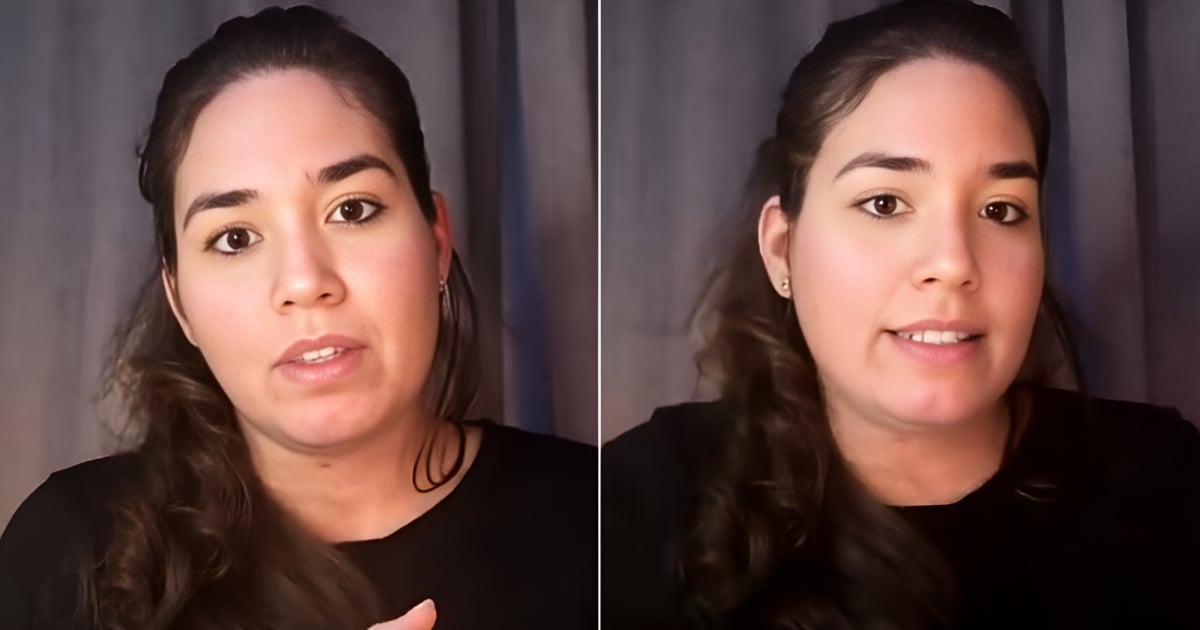
Cuba Faces Health Crisis: Activist Calls for Humanitarian Intervention
havana, cuba – Cuban activist Amelia Calzadilla is urgently calling for international humanitarian intervention as the island nation grapples with a severe outbreak of mosquito-borne diseases – dengue, chikungunya, and Oropouche virus – and a collapsing healthcare system.She accuses the Cuban goverment of “hiding the magnitude of the outbreak” and “putting the lives of millions of citizens at risk.”
Calzadilla specifically requests assistance, even from organizations like the WHO, stating, “This problem is no longer just cuba’s, but security for other nations.” She emphasizes this isn’t a call for military action, but a desperate plea for medical aid.
A System in Collapse
The outbreak, recognized by the Ministry of Public Health as “difficult to control,” is overwhelming hospitals across more than a dozen provinces. Calzadilla reports a widespread lack of supplies and care,leading many Cubans to avoid seeking medical attention. Pharmacies are reportedly empty, forcing families to purchase essential medications on the black market at exorbitant prices – frequently enough exceeding an average worker’s annual salary. she paints a grim picture of citizens resorting to administering IVs at home due to the lack of hospital resources, stating, “The government makes you sick and then abandons you.”
Abuse and Blackmail
The crisis is compounded by alleged abuses of power. Calzadilla claims the Ministry of Education is threatening to deduct 40% of sick workers’ already meager salaries if they provide medical certificates, effectively punishing them for illness caused by the state’s failure to control the epidemic. She describes this as “inhuman blackmail,” accusing the government of deliberately allowing the disease to spread as a means of social control, keeping the population “weak and at home.” She believes the government prioritizes suppressing dissent over public health.
International Appeal & Regime Criticism
Calzadilla is appealing to international organizations like the WHO, the red Cross, and the Red Crescent for immediate intervention, warning that the outbreak poses a regional threat. She points to past international responses to outbreaks like cholera in Haiti as a precedent.
She sharply criticizes the Cuban regime’s lack of transparency and refusal to seek external help,arguing that acknowledging the crisis would be an admission of failure. “There is no longer time for political pride: cuba needs urgent help,” she insists.
Calzadilla characterizes the regime as a “dictatorship closed as an oyster” that has created a situation were illness is a “sentence.” She concludes, “We are governed by a dictatorship that endangers the lives of its citizens all the time… And the worst thing is that they know it.”
her call for help echoes growing complaints from doctors and citizens regarding the health system’s collapse, medicine shortages, vector proliferation, and the lack of an effective institutional response. While the government attributes the crisis to the US embargo, critics like Calzadilla argue the root cause lies within: a destroyed health system, an incapable government, and a population left to suffer.
