
China-critical UK Academics Report Pressure from Beijing, Raising Concerns Over University Funding
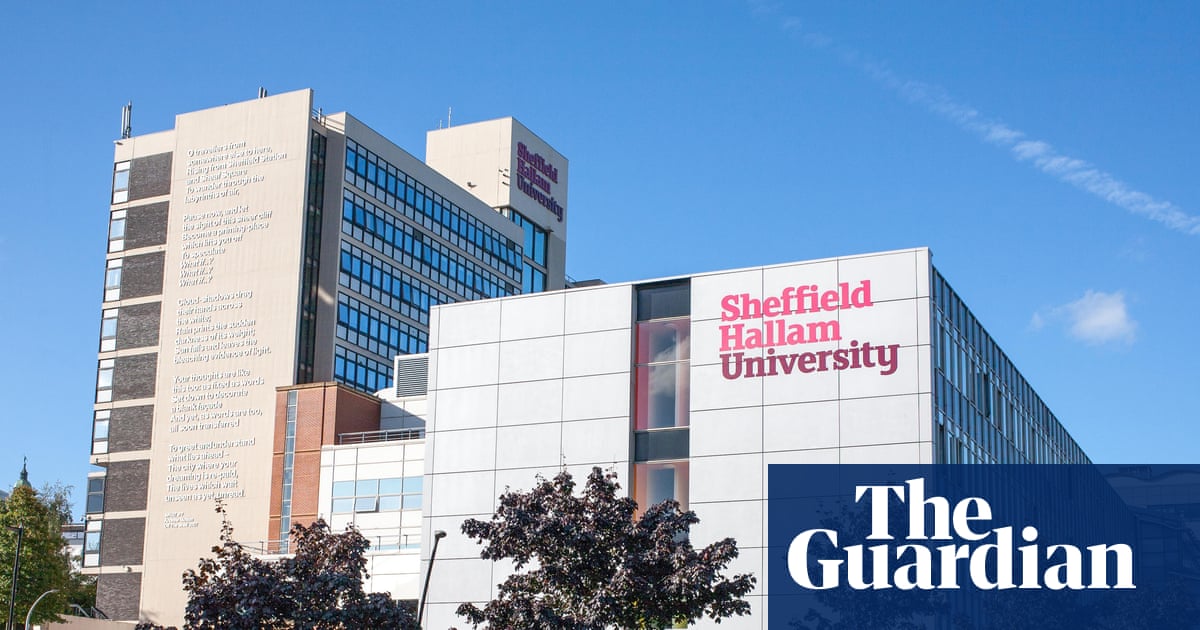
LONDON – Academics in the UK who research or publicly critique china are facing “extremely heavy” pressure from Beijing, with some fearing job loss as universities navigate increasing financial reliance on Chinese student tuition fees. The concerns follow recent scrutiny of Sheffield Hallam University, where research into Uyghur forced labor reportedly ceased after alleged Chinese pressure – a case one expert hopes will serve as a turning point.
The pressure, as detailed in reports by the Guardian, extends to academics working both within China and in the UK. Jo Smith Finley, a reader in Chinese studies at Newcastle University, was sanctioned by China in 2021 for her work documenting human rights abuses against Uyghurs. She stated that since the sanctions, Newcastle University has “been walking a very arduous tightrope in it’s treatment of me, because I’ve become a liability in a context where universities are all dependent on Chinese student tuition fees.”
Other academics expressed reluctance to speak on the record, with one fearing job loss if they discussed their experiences. This climate of concern highlights the vulnerabilities of UK universities, which are heavily dependent on international student fees, a significant portion of which come from China.
Fulda, speaking to The Guardian, warned that “the Chinese party state has considerable leverage and British universities have considerable vulnerabilities,” predicting further incidents like the Sheffield Hallam case unless universities reduce their financial reliance on China.
Universities UK, representing the sector, affirmed its commitment to free speech and academic freedom, stating that UK universities “take any threats to the freedom of their staff or students extremely seriously and we work closely with the government to prevent this.” They emphasized that rights to personal and academic freedom are protected for those on British soil.
Recent government plans to increase domestic tuition fees and introduce a 6% international student levy – intended to fund the reintroduction of maintenance grants – have sparked debate within the sector, with concerns the levy could offset the benefits of increased domestic fees. The situation underscores a growing tension between academic freedom and the financial realities facing UK higher education.
