
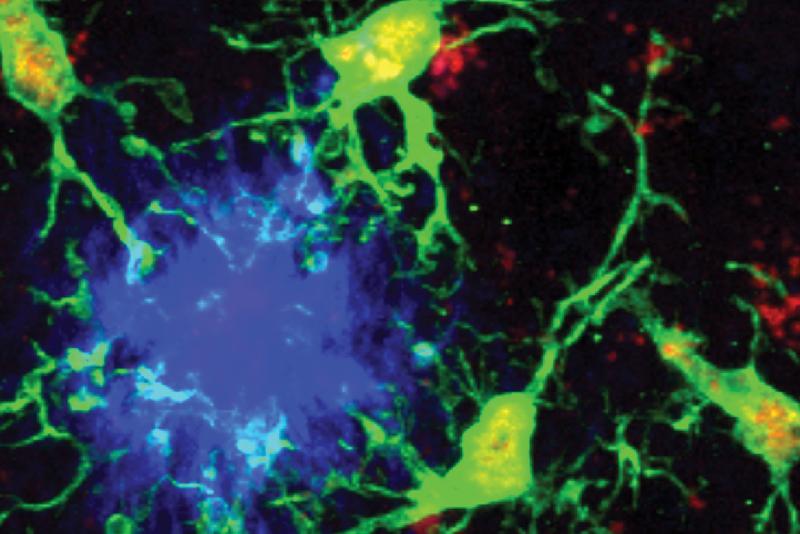
Newly Identified Microglia subtype Holds Promise for Alzheimer’s Treatment
Cologne, Germany – A newly discovered subtype of microglia, the brain’s resident immune cells, exhibits protective functions against alzheimer’s disease, offering a potential new avenue for therapeutic intervention, researchers at the Max Planck Institute for Biology of Aging announced today. The findings, published in Nature, reveal a molecular link between immune system genes and beneficial microglial activity, perhaps reshaping strategies for combating the devastating neurodegenerative disorder.
Alzheimer’s disease affects over 6.7 million Americans and is projected to reach nearly 13 million by 2050, placing an immense burden on individuals, families, and healthcare systems. Current treatments offer limited symptomatic relief, but do not halt or reverse disease progression. This research identifies a specific mechanism by which microglia can be harnessed to potentially alter the course of Alzheimer’s, offering a glimmer of hope for more effective therapies. The study underscores the importance of international scientific collaboration in tackling complex diseases.
The research team pinpointed a critical connection between the PU.1 protein, encoded by the SPI1 gene, and the CD28 molecule, revealing a previously unknown “PU.1-CD28 axis” that regulates microglial function. Individuals carrying a common variant of the SPI1 gene associated with lower PU.1 levels demonstrate a reduced risk of developing Alzheimer’s, a correlation now explained by the study’s mechanistic findings.
“These results provide a mechanistic explanation for why lower PU.1 levels are associated with a reduced risk of Alzheimer’s disease,” explained Alison Goate, a lead co-author of the study and pioneer in Alzheimer’s genetics.
Further investigation revealed that molecules traditionally linked to B and T lymphocytes – key players in the adaptive immune system – also play a regulatory role in microglial activity. “It is indeed noteworthy that molecules that immunologists have long associated with B and T lymphocytes also regulate microglial activity,” added Alexander Tarakhovsky. “This revelation comes at a time when regulatory T cells are receiving important attention as master regulators of immunity and a common logic of immune regulation across different cell types is becoming apparent. It also paves the way for immunotherapeutic strategies to treat Alzheimer’s disease.”
The study’s findings suggest that targeting microglia with immunotherapies designed to promote this protective state could offer a novel approach to treating Alzheimer’s disease. Researchers are now focused on developing strategies to selectively activate this beneficial microglial subtype and explore it’s potential for clinical translation.
Scientific contact: Anne Schaefer, Director Max Planck institute for Biology of Aging, aschaefer@age.mpg.de
Original publication: Ayata,Crowley,Challman et al., Lymphoid gene expression supports neuroprotective microglia function. Nature, DOI: 10.1038/s41586-025-09662-z.
Further details: https://www.nature.com/articles/s41586-025-09662-z
