
Orcas Display Coordinated Great White Shark Hunting, Targeting Liver in Mexico and South Africa
Recent video evidence confirms orcas are strategically hunting great white sharks in both Mexico and South Africa, demonstrating a learned behavior that involves incapacitating the sharks and consuming their livers. The hunts, previously observed but now more readily documented with improved drone technology, reveal a refined predatory tactic.
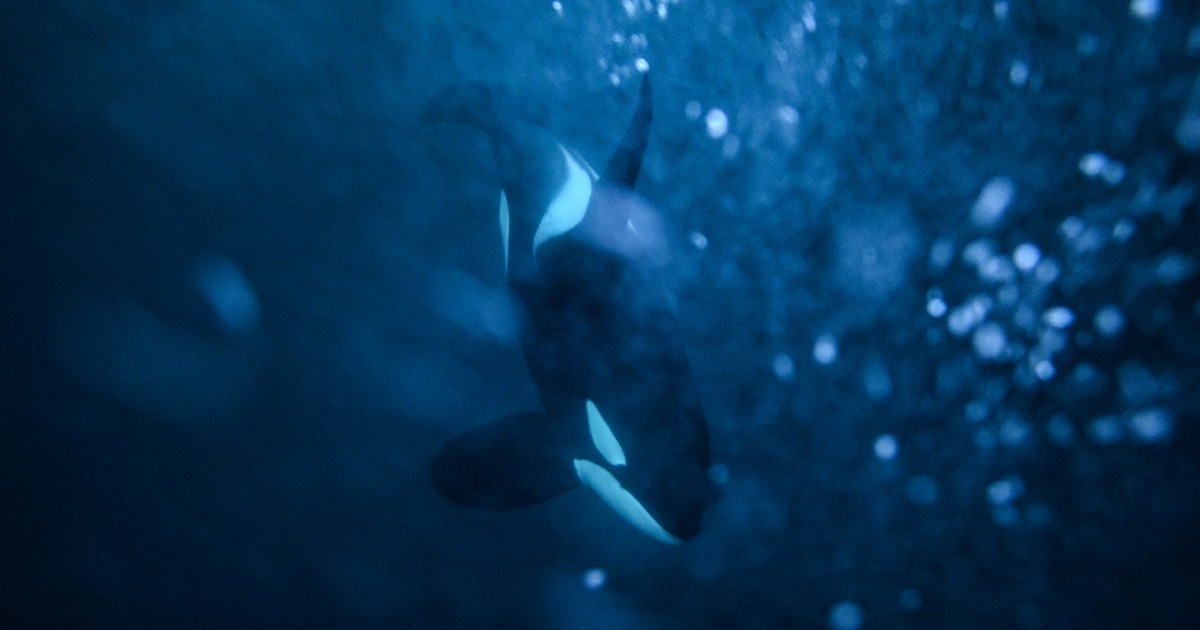
In Mexico’s Gulf of California, researchers have observed the Moctezuma pod of orcas flipping great white sharks onto their backs, inducing “tonic immobility”-a catatonic state where the shark becomes temporarily paralyzed. “When it flips the shark upside down, it forces the shark to get into the state that is called tonic immobility,” explained Francesca Pancaldi, a shark researcher at the Instituto Politécnico Nacional Centro Interdisciplinario de Ciencias Marinas. “They freeze.It’s like a catatonic state. They just don’t do anything.” The orcas then proceed to eat the shark’s liver, a highly nutritious organ comprising roughly one-fourth of a shark’s body weight and providing “a lot of energy,” according to Pancaldi.
This behavior differs slightly from that documented in south Africa, suggesting “group-specific learning,” according to marine biologists.
Scientists first noted orca attacks on great white sharks in South Africa approximately a decade ago. These attacks prompted great white sharks to abandon established feeding and breeding grounds, known as aggregation sites. “Repeated predation has caused white sharks to abandon former core aggregation sites entirely,” stated Alison Towner, a researcher involved in the South African studies. “Many sharks have likely moved offshore or into less monitored regions, which reshapes the coastal ecosystem.”
The displacement of great white sharks in south Africa led to increases in populations of cape fur seals and sevengill sharks, followed by declines in their prey-smaller fish and sharks-as detailed in research published in Frontiers in Marine Science earlier this year.
The South African attacks have been primarily attributed to two adult male orcas, Port and Starboard. Towner cautioned that the same pressure on great white shark populations could occur in Mexico if the hunting behavior increases in frequency, given the species’ slow growth and reproductive rates.
Researchers believe the hunting behavior has likely been occurring for centuries, but is only now being consistently observed due to advancements in drone technology. Climate change may also be playing a role, with increased great white shark presence in the Gulf of California observed over the last 10 years, possibly due to shifts in ocean temperatures during events like El Niño.
