
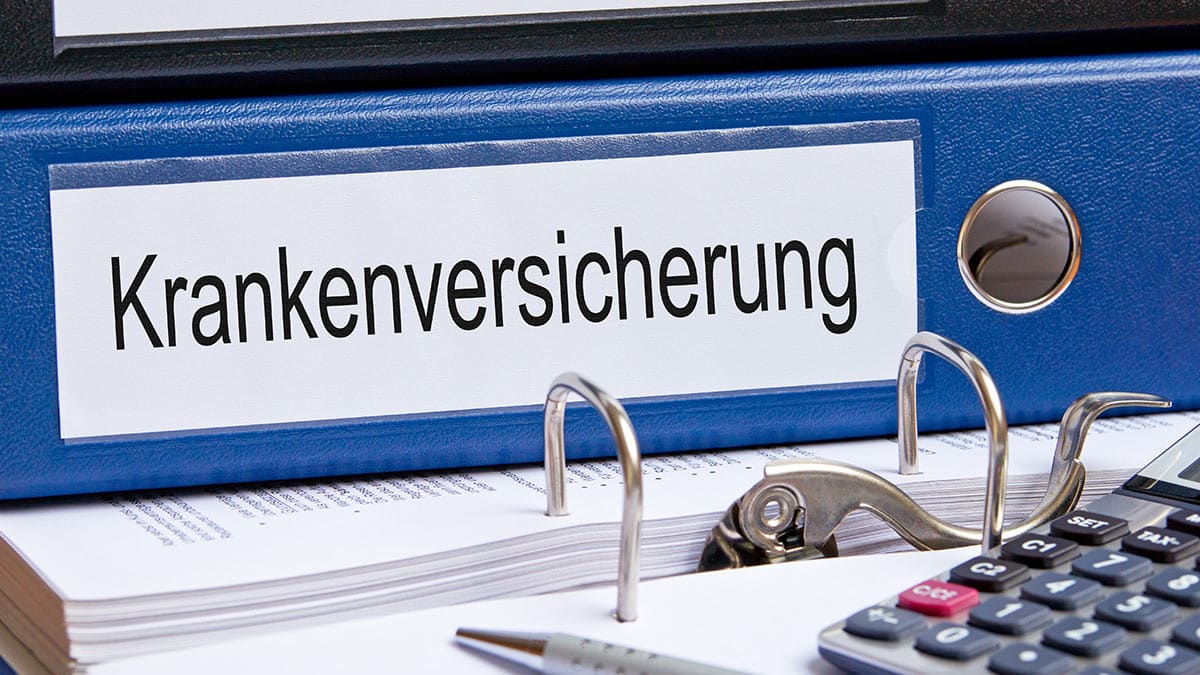
Hundreds of Thousands Lack Health insurance Despite Mandate, Highlighting Systemic Gaps
Berlin – A significant gap exists between legal requirements and practical access to healthcare in Germany, leaving an estimated 800,000 individuals without health insurance despite a national mandate. This figure, sharply contrasting with official reporting of 61,000 uninsured individuals in the most recent available year, underscores systemic issues in navigating the intersection of social benefits and healthcare coverage.
The problem stems from a “gray area” between standard care and emergency situations, characterized by delayed processing of contributions, unclear responsibilities between agencies, and a lack of transparent procedures. This results in outstanding invoices, mounting debt, and ultimately, a failure to ensure universal healthcare access.
German law, specifically § 26 SGB II (Social Code II), does allow Job Centers to subsidize health insurance contributions. This applies in two key scenarios:
* During Receipt of Citizen’s Benefit (Bürgergeld): Individuals voluntarily insured through statutory (GKV) or private (PKV) means – and not compulsorily insured under Section 5 Paragraph 1 No.2a SGB V - are eligible for a health and, separately, nursing care insurance subsidy. Payments are typically made directly to the insurance provider.
* Without ongoing Citizen’s Money: If the sole reason for needing assistance is the cost of health insurance contributions, the Job Center can provide a targeted subsidy to prevent financial hardship, as outlined in Section 26 Paragraph 2 and Paragraph 5 SGB II.
However, subsidies for private insurance (PKV) are capped.in 2025, the maximum health insurance subsidy for PKV holders will be €471.32, with a separate capped subsidy for care insurance.
The system is designed to automatically enroll Bürgergeld recipients in the GKV (statutory health insurance) from the month of submission, based on Section 5 Paragraph 1 No. 2a SGB V. The insurance obligation retroactively takes effect from the first day of the application month, even if approval is delayed. Applicants are advised to contact their health insurance provider with proof of application.
Crucially, exceptions exist. Individuals previously privately insured, or those belonging to specific groups exempt from mandatory insurance, can maintain their PKV coverage, with the Job Center providing a subsidy as per § 26 SGB II. Similarly, those unable to work may be covered through family insurance or direct subsidies.
Despite these provisions, the significant discrepancy between the estimated 800,000 uninsured and the officially reported 61,000 highlights the need for “rapid re-entry” into the system, clearer processes, and reliable transition financing. Experts argue that addressing these hurdles is critical to resolving the ongoing issue of outstanding healthcare debts and ensuring equitable access to care for all German citizens.
(Source: https://www.buergergeld.org/buergergeld-krankenversicherung-wer-zahlt-die-krankenkasse/)
