
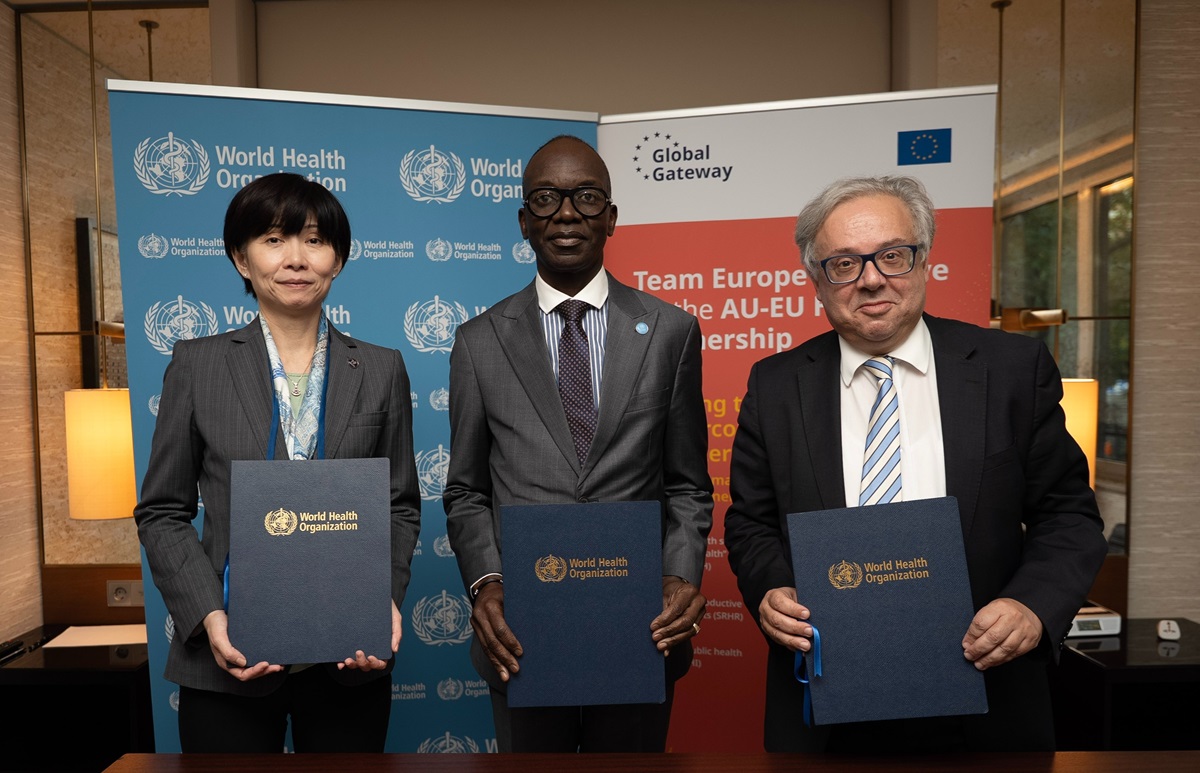
WHO and EU Partner to Drive Digital Health Transformation in Sub-Saharan Africa
The World Health Organization (WHO) and the European Union (EU) have announced a new partnership to accelerate the digital transformation of health systems in sub-Saharan Africa and expand the use of the WHO’s Global Digital Health Certification Network (GDHCN). This collaboration aims to improve pandemic preparedness and advance health and well-being across the region.
Announced at the world Health Summit 2025 by key leaders from both organizations, the partnership leverages the success of the EU digital COVID Certificate (EU DCC) – which connected 76 countries and territories for verification of health credentials – while addressing the limited participation of African nations in that network (currently only Benin, cabo Verde, Seychelles and Togo).
Since transitioning to WHO management in 2023, the GDHCN has demonstrated notable potential, especially in digitizing the International Certificate of Vaccination or Prophylaxis (Yellow Card) and aligning with updated International Health Regulations. This will enhance global vaccination tracking, reduce fraud, and streamline international health protocols.
A cornerstone of the agreement is an €8 million EU grant (2025-2028) that will enable WHO to provide technical and policy expertise, working alongside regional partners like the Africa Centres for Disease Control and Prevention (Africa CDC). This investment falls under the Digital Health workstream of the Team Europe Initiative on the EU-AU Health Partnership and supports the EU Global Gateway strategy.
Focus on Secure and Accessible Health Records
The GDHCN will empower countries to build secure, interoperable digital health systems, providing individuals with portable health records accessible during travel and health emergencies. Importantly, these records are securely managed by national health systems and are not accessible to organizations like WHO, ensuring individual privacy and data protection.
Built on international standards for privacy and interoperability, participation in the network is voluntary. This initiative fosters collaboration between countries and partners, strengthening health security now and building a foundation for more resilient, person-centered health systems for future generations.
