
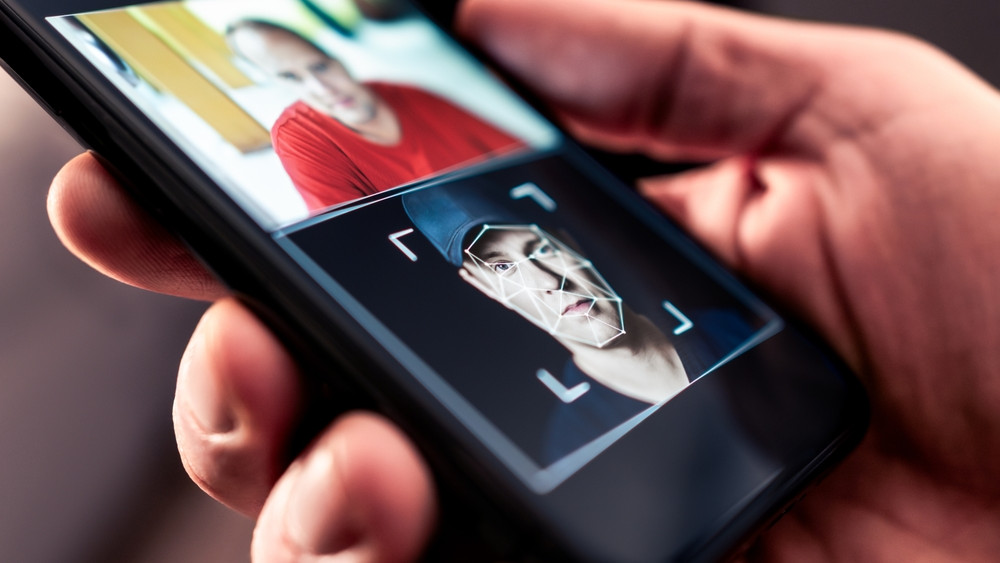
Deepfakes Blur Reality, Raising Fears Over Control of Personal Identity
SÃO PAULO – The proliferation of artificial intelligence is no longer a futuristic concern, but a present-day threat to personal identity, with increasingly realistic “deepfakes” capable of convincingly mimicking anyone’s image, voice, and likeness. What was once relegated to internet memes is rapidly evolving into a tool for malicious manipulation, causing real-world harm and prompting a scramble for both legal recourse and technological defenses.
The ease with which AI can now fabricate convincing, yet entirely false, content is raising basic questions about ownership of one’s own identity in the digital age. While the technology offers potential benefits, its misuse is already causing significant distress and prompting a new industry focused on damage control.
The Wall Street Journal recently highlighted the case of meteorologist Bree Smith in the united States, who was targeted by creators of intimate, non-consensual deepfake videos featuring her likeness. “It is degrading and traumatizing to see your own identity distorted without consent,” Smith stated, a sentiment echoed by a growing number of victims. The incident contributed to the passage of a law in Tennessee criminalizing the dissemination of sexual deepfakes, but experts warn that legislation struggles to keep pace with the rapid advancements in AI.
Responding to the escalating threat, companies like Vermillio and Cent have emerged, offering paid services to monitor and remove fraudulent content. Vermillio’s services range from US$10 to US$99 per month (approximately R$52 to R$520), depending on the volume of removal requests, while Loti charges up to US$2,500 monthly (around R$14,000) for public figures.However, the cost remains prohibitive for many, and preventative measures remain imperfect.
The potential for misuse extends far beyond explicit content. A recent example involved deepfake advertisements falsely promoting investments using Taylor Swift’s image,demonstrating the technology’s capacity to inflict financial and reputational damage.
The implications are far-reaching, impacting everyone from influencers and public figures to private citizens. Beyond the violation of privacy, experts point to profound psychological and social consequences, including public embarrassment and loss of professional credibility. The sheer volume of content circulating online makes it increasingly difficult to discern fact from fiction, leaving individuals vulnerable to manipulation and perhaps unaware they’ve been targeted by a deepfake.
