
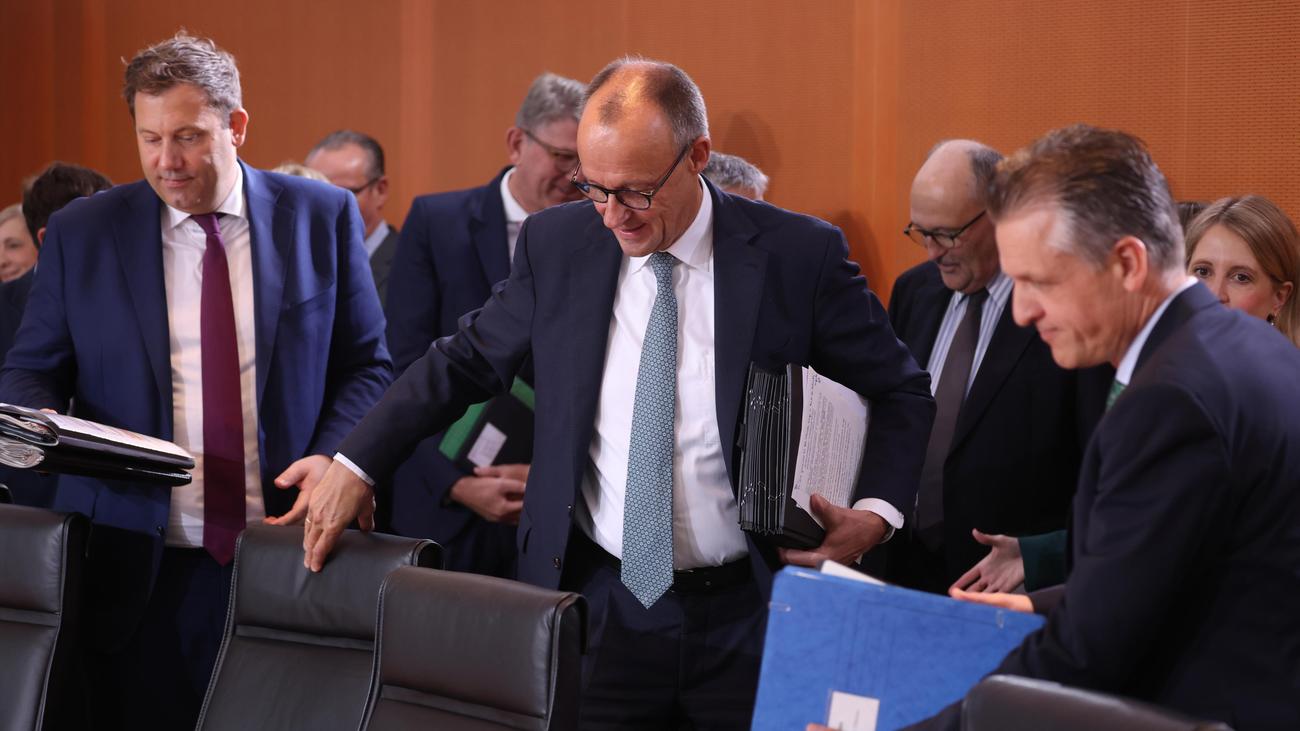
Coalition Committee Debates Combustion Engine Ban, Citizens’ Income Reforms
Berlin – A coalition committee convened on October 8, 2025, to address pivotal policy decisions including a potential ban on combustion engines and revisions to the “citizens’ income” (Bürgergeld) social welfare program. Discussions centered on accelerating the transition to electric vehicles and navigating the economic implications of ongoing reforms to Germany’s social safety net.
The meeting, involving representatives from the governing coalition, underscores growing tensions between environmental objectives and economic realities. A complete phase-out of combustion engine vehicles remains a key goal, but the timeline and implementation details are subject to intense debate. Together,scrutiny is mounting over the effectiveness and financial sustainability of the Bürgergeld program,especially in light of a sluggish economic outlook. These deliberations will directly impact automotive manufacturers, energy providers, and millions of German citizens reliant on social support.
Federal Environment Minister Carsten Schneider defended the push for electric vehicles, reportedly describing them as “really cool cars!” during the discussions, signaling a commitment to technological advancements despite potential consumer resistance. The committee also examined the state of a special fund intended to bolster economic growth,with critics labeling it a “purest marshalling yard” – a mechanism for delaying rather than enacting meaningful change.
The debate over the combustion engine ban follows increasing pressure from environmental groups to meet climate targets. Simultaneously, the economic situation under the current “black and red” coalition (referring to the CDU/CSU and SPD parties) is facing increasing criticism, with concerns raised about the efficacy of existing economic policies. Further meetings are scheduled to refine proposals and reach a consensus on these critical issues.
