
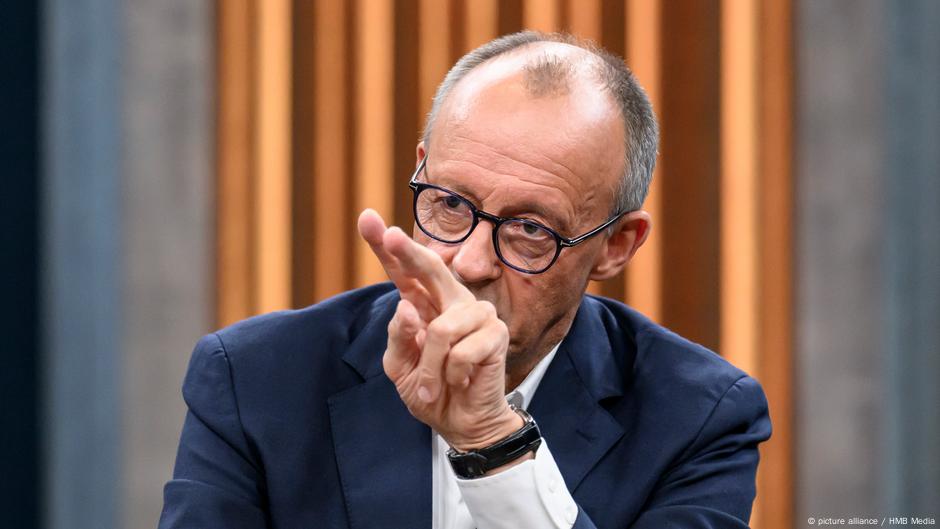
Merz Accuses Putin of ‘Hybrid War’ as Germany Debates Military Recruitment
BERLIN – German Chancellor Friedrich Merz on Monday accused Russian President Vladimir Putin of waging a “hybrid war” against Europe, intensifying pressure as Germany grapples with bolstering its armed forces amid ongoing debate over recruitment strategies. The remarks came as a bill proposing a voluntary military service model faced postponement in the Bundestag, fueled by conservative calls for mandatory service.
Merz’s assessment of the conflict, delivered on public television, frames the security challenges facing germany and its allies as multifaceted and deliberately destabilizing. This assessment adds context to the ongoing discussion surrounding personnel numbers in the German armed forces, known as the Bundeswehr, and the viability of Defense minister Boris Pistorius’ proposed voluntary service model.
“I suspect that it won’t stick at volunteering alone,” Merz said on Sunday evening, expressing skepticism about relying solely on voluntary recruitment. However,he affirmed support for Pistorius’ model “in principle,” adding,”For now,we want to try to manage that voluntarily with the SPD. I am skeptical. If we succeed, all the better.” Pistorius,a member of the Social Democrats (SPD),the junior partner in the coalition government,has defended his approach,citing a 30% increase in military personnel recruitment this year.
The postponement of the bill’s first reading in the Bundestag, initially scheduled for Thursday, reflects growing conservative opposition. Merz reiterated the Christian Democratic Union’s (CDU) call for a mandatory year of service for both men and women, acknowledging that such a shift would necessitate a constitutional amendment. The CDU previously proposed establishing a service year that could be fulfilled either within the bundeswehr or through engagement with civil society organizations, ahead of February elections.
Pistorius maintains confidence in his model, stating, “We have the numbers on growth…by the year 2029, 2030 – and that is exactly the time frame we are talking about – we will have trained 100,000 additional reservists.” he added, “The direction is right. Ther is no reason to believe it won’t work.”
