
Global Echoes of Discontent: Protests Erupt in Morocco Amidst Rising Inequality
Table of Contents
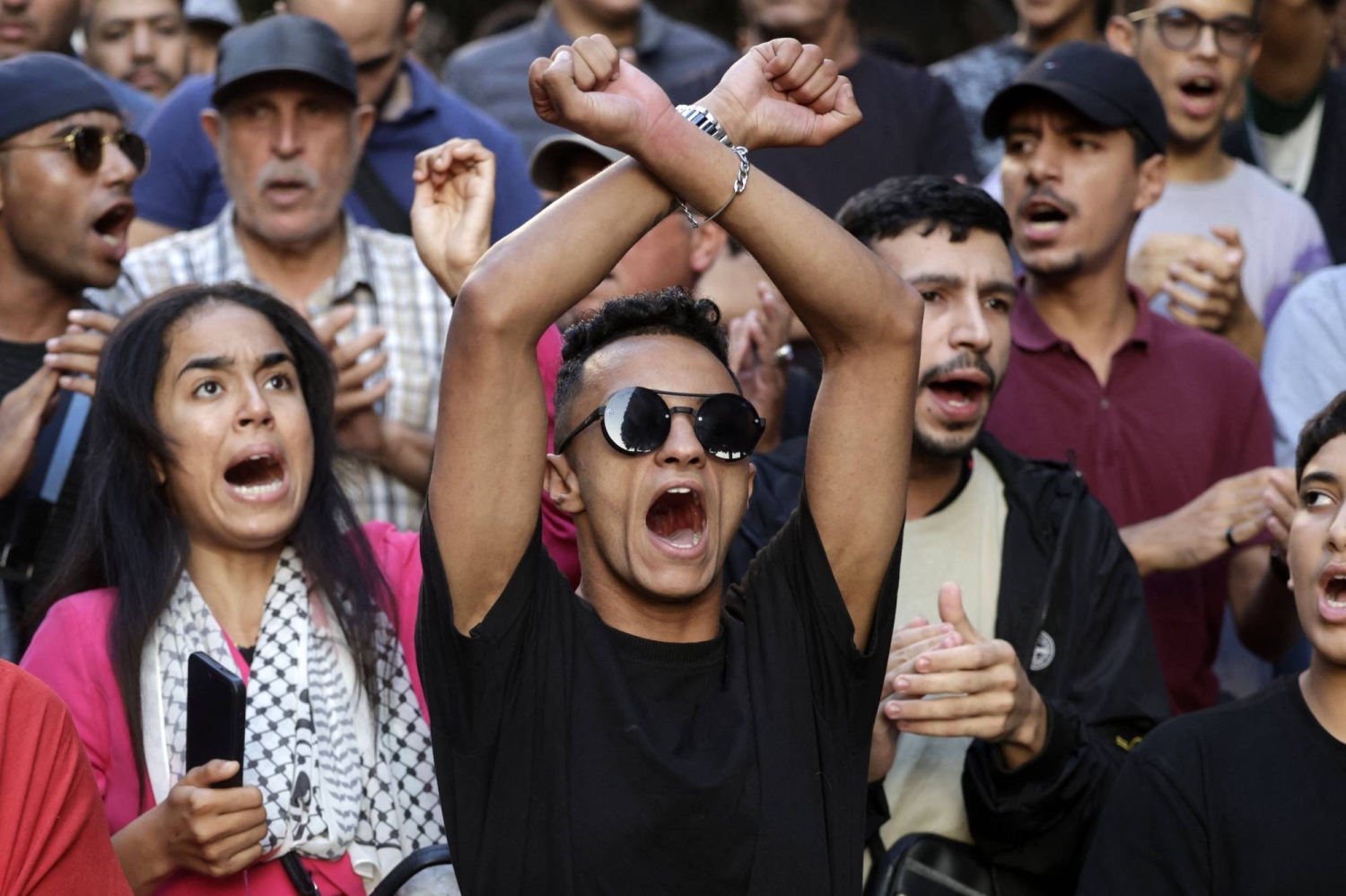
Rabat, Morocco’s capital, presents a carefully curated image of progress – new infrastructure, renovated landmarks, and a thriving commercial scene. However,this veneer of prosperity sharply contrasts with the realities faced by residents in neighboring Sale,a commuter town grappling with dilapidated infrastructure,high crime rates,and widespread discontent. Recent protests in Sale’s Al-Amal district, marked by clashes with authorities and property damage, underscore a growing wave of frustration with economic disparities and perceived elite extravagance.
Recent Unrest in Sale
Last week, the densely populated Al-Amal neighborhood in Sale became the focal point of protests. Demonstrators, largely young people, engaged in acts of vandalism targeting police vehicles, banks, and other properties. The protests were met with a forceful response from Moroccan authorities, resulting in a crackdown on participants. This eruption of anger follows a history of activism within Sale,a town long recognized as a breeding ground for dissent.
The Fuel for Frustration: Inequality and Economic Concerns
The unrest in Sale is rooted in a widening gap between the affluent ruling class and the struggles of everyday citizens. Morocco is currently investing heavily in large-scale projects, including hosting the upcoming World Cup and the construction of Africa’s largest ice hockey rink.While thes initiatives aim to boost the nation’s profile, critics argue that resources are being diverted from essential services and job creation. A staggering 60% youth unemployment rate further exacerbates the sense of marginalization and fuels resentment.
A Global Trend: Gen Z and Elite Disconnect
The situation in Morocco is not isolated. A similar pattern of frustration with economic inequality and perceived elite detachment is emerging globally. Young people, notably Gen Z, are increasingly vocal in their criticism of systems they believe are rigged against them. This discontent manifests in various forms, from protests and social movements to shifts in political attitudes and consumer behavior.The Moroccan protests serve as a stark reminder of the potential for unrest when economic disparities are left unaddressed and the voices of young people are ignored.
Evergreen Context: Morocco’s Socioeconomic Landscape
Morocco has experienced periods of economic growth in recent decades, driven by sectors like tourism, agriculture, and manufacturing. However, this growth has not been evenly distributed, leading to significant regional and social inequalities. The country faces ongoing challenges related to unemployment, poverty, and access to education and healthcare. Political reforms aimed at increasing participation and accountability have been implemented, but concerns remain regarding clarity and the concentration of power.
Frequently Asked Questions
- What sparked the recent protests in Sale, Morocco?
- The protests were sparked by widespread frustration over economic inequality, high youth unemployment (currently at 60%), and perceived extravagance by the ruling class, particularly in light of large-scale investments like the World Cup and a new ice hockey rink.
- what is the current unemployment rate for young people in Morocco?
- The current youth unemployment rate in Morocco is approximately 60%.
- What is the meaning of the Al-Amal neighborhood in Sale?
- Al-Amal is a densely populated neighborhood in Sale with a history of activism and social unrest. It has long been a focal point for protests and dissent.
- Is this unrest unique to Morocco?
- No, the unrest in Morocco reflects a broader global trend of frustration among young people regarding economic inequality and perceived disconnect between elites and the general population.
We hope you found this article insightful. The situation in Morocco, and similar unrest around the world, is a critical story to follow. Please share this article with your network, leave a comment with your thoughts, or subscribe to our newsletter for more in-depth
