
Brain Structure Shifts Throughout Menstrual Cycle, New Research Reveals
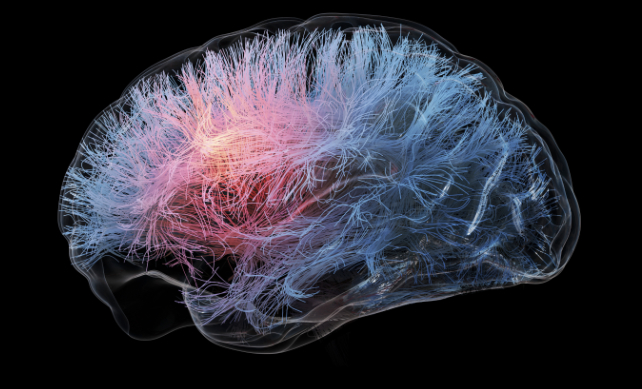
New York, NY - Scientists have identified measurable structural changes occurring throughout the menstrual cycle in the human brain, offering a deeper understanding of the complex interplay between hormones and brain function. Research published in Human Brain Mapping in 2024 details how fluctuations in hormone levels correlate with shifts in grey and white matter volume, as well as cerebrospinal fluid levels.
The study, conducted by a team of researchers, utilized MRI scans of participants during the menses, ovulation, and mid-luteal phases of their menstrual cycles. Hormone levels were also measured concurrently. Results indicated that as hormones fluctuate, so too do brain volumes.
Specifically, a rise in 17β-estradiol and luteinizing hormone just before ovulation was linked to changes in white matter suggesting faster data transfer. Follicle-stimulating hormone, also rising before ovulation, correlated with thicker gray matter. Conversely, increased progesterone levels after ovulation were associated with increased tissue volume and decreased cerebrospinal fluid.
While the functional consequences of these structural changes remain unknown, researchers suggest the findings lay the groundwork for future studies, potentially illuminating the causes of severe period-related mental health problems like premenstrual dysphoric disorder (PMDD).
A separate 2024 study by an international team of scientists further reinforced these findings, demonstrating that each phase of the menstrual cycle exerts a distinct influence on the brain, with changes varying across the brain and linked to individual age.
“Although we do not currently report functional consequences or correlates of structural brain changes, our findings may have implications for hormone-driven alterations in behavior and cognition,” the researchers wrote in their publication. They emphasized the need for further examination into brain-hormone relationships to better understand nervous system functioning throughout daily life, hormonal transitions, and across the lifespan.
