
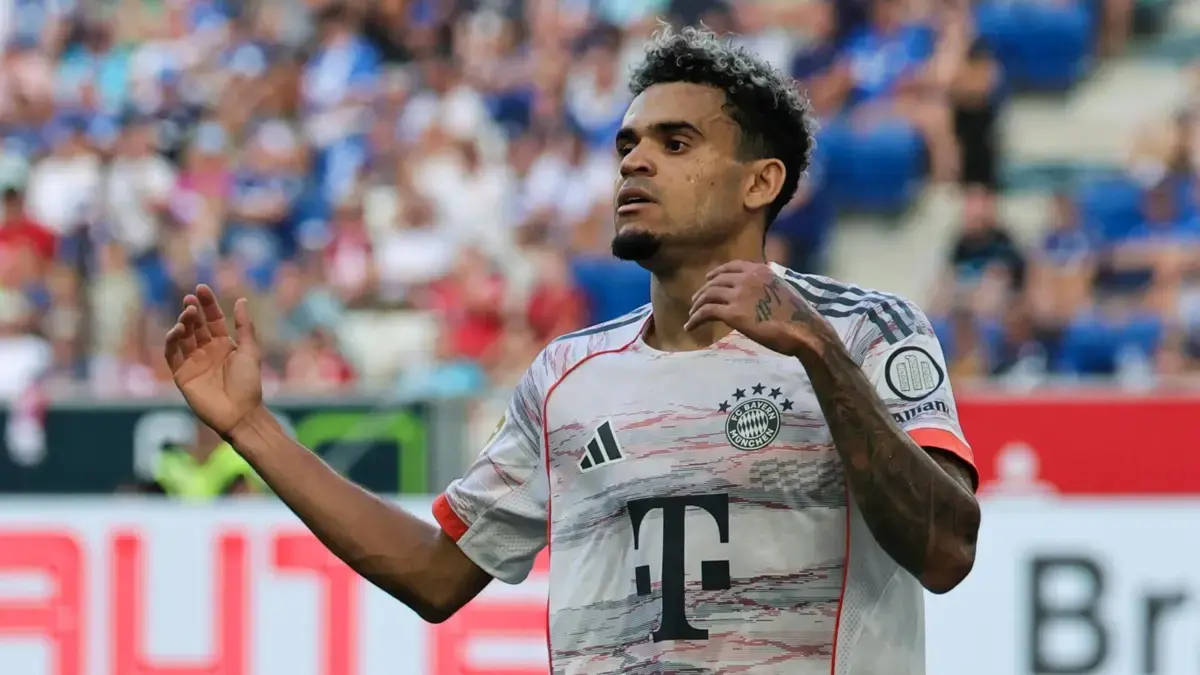
Bayern Munich Faces Internal Conflict Over Transfer Strategy, Sparking Leadership Crisis
MUNICH - A deepening rift within Bayern Munich’s leadership is surfacing as disagreements over transfer targets escalate, possibly destabilizing the Bundesliga’s current frontrunner. The conflict centers on differing philosophies regarding player acquisitions, specifically the pursuit of German talent versus international options, and has ignited a public exchange between former club president Uli Hoeness and board member Max Eberl.
The tensions reportedly emerged during discussions about summer market strategy, with Eberl’s sports direction facing scrutiny over shifting priorities. While a long-held club tenet,championed by Hoeness,prioritizes securing the nation’s top German players – initially targeting Florian Wirtz and Nick Woltemade – the high demands set by Bayer Leverkusen and Stuttgart prompted a pivot towards alternatives like Liverpool’s Luis Díaz and Nico Jackson,according to reports from Marca. This strategic shift has triggered a backlash from within the club’s established power structure.
Uli Hoeness has publicly voiced regret over missing out on Wirtz, stating, ”I must honestly say that I still feel sorry for Florian Wirtz, as I think the player would be better at Bayern Munich than in Liverpool.” He also suggested Woltemade represented a viable option. The disagreement underscores a fundamental debate about Bayern’s identity and its commitment to developing domestic talent.
Beyond the specific players, the dispute highlights broader concerns about financial prudence. eberl emphasized the need for “serious and solid financing,” asserting that Bayern “would do well in not participating in any financial madness,” and that the current squad,once fully healthy-with Jamal Musiala,Alphonso Davies,and Hiroki Ito returning from injury-is already “splendid.” This stance appears to clash with a perceived willingness to pursue potentially expensive international signings.
The internal friction arrives at a critical juncture for bayern, currently leading the Bundesliga but facing increasing competition. The leadership crisis threatens to distract from on-field performance and could impact the club’s long-term strategy as it navigates a competitive European landscape.
