
‘Nightmare Bacteria‘ Cases Surge Across the U.S.
Table of Contents
A concerning rise in drug-resistant bacteria, including strains known as “nightmare bacteria,” is rapidly spreading across the United States, posing a important threat to public health. New data reveals a dramatic increase in cases of carbapenem-resistant organisms, particularly New Delhi metallo-beta-lactamase (NDM) producing strains, raising alarms among infectious disease experts. This surge threatens to turn common infections into life-threatening crises, potentially reversing decades of progress in combating bacterial illnesses.
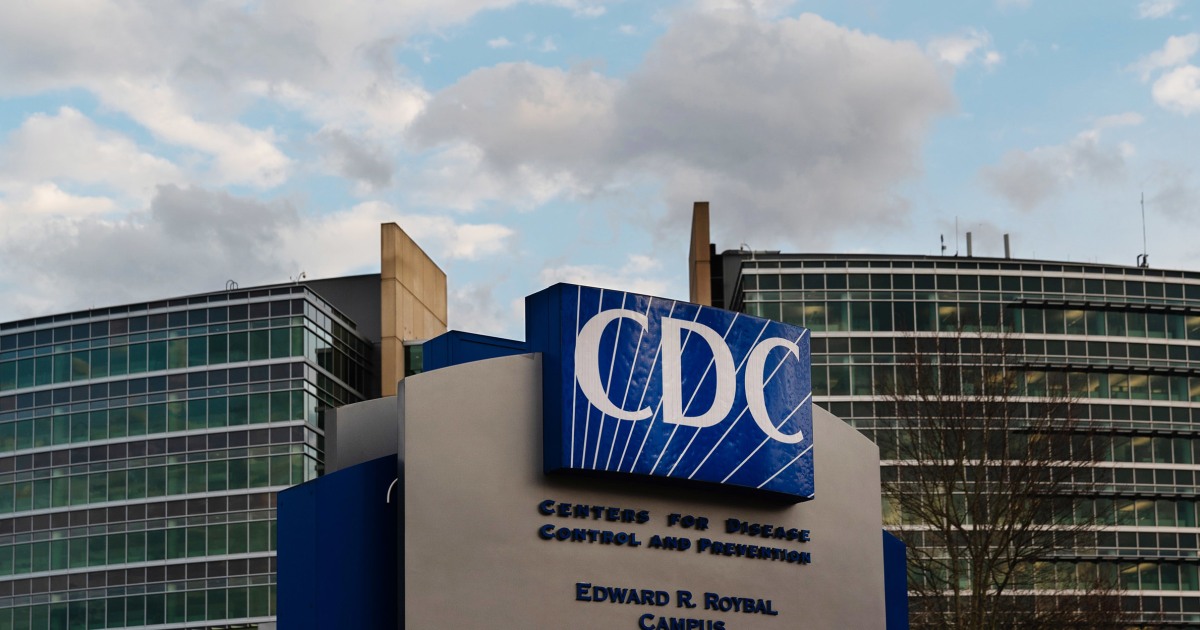
The Centers for Disease Control adn Prevention (CDC) has been tracking these increasingly resistant pathogens, wiht recent findings indicating a considerable acceleration in their spread. The growing resistance compromises the effectiveness of antibiotics, leaving fewer treatment options for serious infections. This trend is particularly worrisome as it impacts not only hospitalized patients but also potentially healthy individuals in the community, increasing the risk of widespread outbreaks and chronic illnesses.
Rising Rates and Geographic Distribution
Researchers analyzed data from 29 states actively testing for and reporting carbapenem-resistant bacteria. In 2023,they identified 4,341 infections resistant to carbapenems,a class of antibiotics often reserved as a last resort. Of these, 1,831 were attributed to NDM-producing strains. The overall rate of carbapenem-resistant infections climbed from just under 2 per 100,000 people in 2019 to over 3 per 100,000 in 2023 – a 69% increase. However, the increase in NDM cases was even more dramatic, soaring from approximately 0.25 to 1.35 per 100,000,representing a 460% jump.
“The rise of NDMs in the U.S. is a grave danger and very worrisome,” stated David Weiss,an Emory University infectious diseases researcher,in an email.
The Role of Antibiotic Misuse and the pandemic
Antimicrobial resistance develops when bacteria and fungi evolve to withstand the drugs intended to eliminate them. A primary driver of this resistance is the overuse and misuse of antibiotics, including incomplete courses of treatment and prescriptions issued when they are not necessary. These practices allow germs to strengthen and proliferate, ultimately rendering antibiotics ineffective.
Dr. Jason Burnham, a researcher at Washington University, suggests the surge in resistance is highly likely linked to the COVID-19 pandemic. We know that there was a huge surge in antibiotic use during the pandemic, so this likely is reflected in increasing drug resistance,
burnham explained in an email.
Underreporting and Future Concerns
The CDC’s current figures likely represent an undercount of the true extent of the problem. Many states do not conduct extensive testing and reporting, and even those that do primarily focus on hospitalized patients. Furthermore, some hospitals lack the necessary testing capabilities to detect all forms of genetic resistance.
The absence of data from populous states like California, Florida, New York, and Texas further underscores the potential for significant underestimation.According to Burnham, the absolute number of U.S. infections is definitely underestimated.
Dr. Maroya Walters, one of the report’s authors, warned that infections previously considered easily treatable, such as urinary tract infections, could become chronic problems consequently of this growing resistance.
Key Data: Carbapenem-Resistant Infections in the U.S.
| Year | Total Carbapenem-Resistant infections (29 States) | NDM Cases | Rate (per 100,000) – total | Rate (per 100,000) - NDM |
|---|---|---|---|---|
| 2019 | 3,364 | 703 | <2 | ~0.25 |
| 2023 | 4,341 | 1,831 | >3 | ~1.35 |
| % Increase (2019-2023) | 29% | 161% | 69% | 460% |
Did You Know?
Carbapenems are often considered a last-resort antibiotic, used when other treatments have failed. The increasing resistance to these drugs leaves doctors with limited options for treating severe infections.
Pro Tip:
practicing good hygiene, such as frequent handwashing, and taking antibiotics only when prescribed can help slow the spread of antibiotic resistance.
This isn’t an isolated incident. A CDC report published in June highlighted an increase in NDM cases specifically in New York City between 2019 and 2024.
What steps can communities take to address this growing threat? How can healthcare providers better manage antibiotic prescriptions to curb the rise of resistance?
Share this article to raise awareness about the increasing threat of ‘nightmare bacteria’ and join the conversation about antibiotic stewardship. Subscribe to our newsletter for updates on public health concerns.
Understanding Antimicrobial Resistance
Antimicrobial resistance isn’t a new phenomenon, but its acceleration in recent years is deeply concerning.Bacteria naturally evolve over time, and the widespread use of antibiotics has created a selective pressure that favors the survival of resistant strains. this process is exacerbated by factors like poor infection control practices in healthcare settings, the use of antibiotics in agriculture, and global travel, which facilitates the spread of resistant organisms across borders. the CDC and other public health organizations are actively working to monitor resistance patterns, develop new antibiotics, and promote responsible antibiotic use.
Frequently Asked Questions About ‘Nightmare Bacteria’
What are ’nightmare bacteria’?
‘Nightmare bacteria’ is a term used to describe bacteria that are resistant to multiple antibiotics, including those considered last-resort treatments like carbapenems. These bacteria pose a significant threat becuase they are difficult to treat and can cause severe infections.
What is NDM?
NDM stands for New Delhi metallo-beta-lactamase. It’s a gene that makes bacteria resistant to a wide range of antibiotics, including carbapenems. Bacteria carrying the NDM gene are particularly hazardous as they are very difficult to treat.
How does antibiotic resistance develop?
Antibiotic resistance develops when bacteria evolve to survive exposure to antibiotics. This can happen through genetic mutations or by acquiring resistance genes from other bacteria. overuse and misuse of antibiotics accelerate this process.
What can be done to prevent the spread of antibiotic resistance?
Preventing the spread of antibiotic resistance requires a multi-faceted approach, including responsible antibiotic use, improved infection control practices, and the development of new antibiotics.
Are NDM infections fatal?
NDM infections can be very serious and potentially fatal, especially in individuals with weakened immune systems. Though, with appropriate treatment and infection control measures, outcomes can be improved.
What is the CDC doing about this issue?
The CDC is actively monitoring antibiotic resistance trends, conducting research to understand the mechanisms of resistance, and working with healthcare providers and public health partners to implement strategies to prevent the spread of resistant bacteria.
