
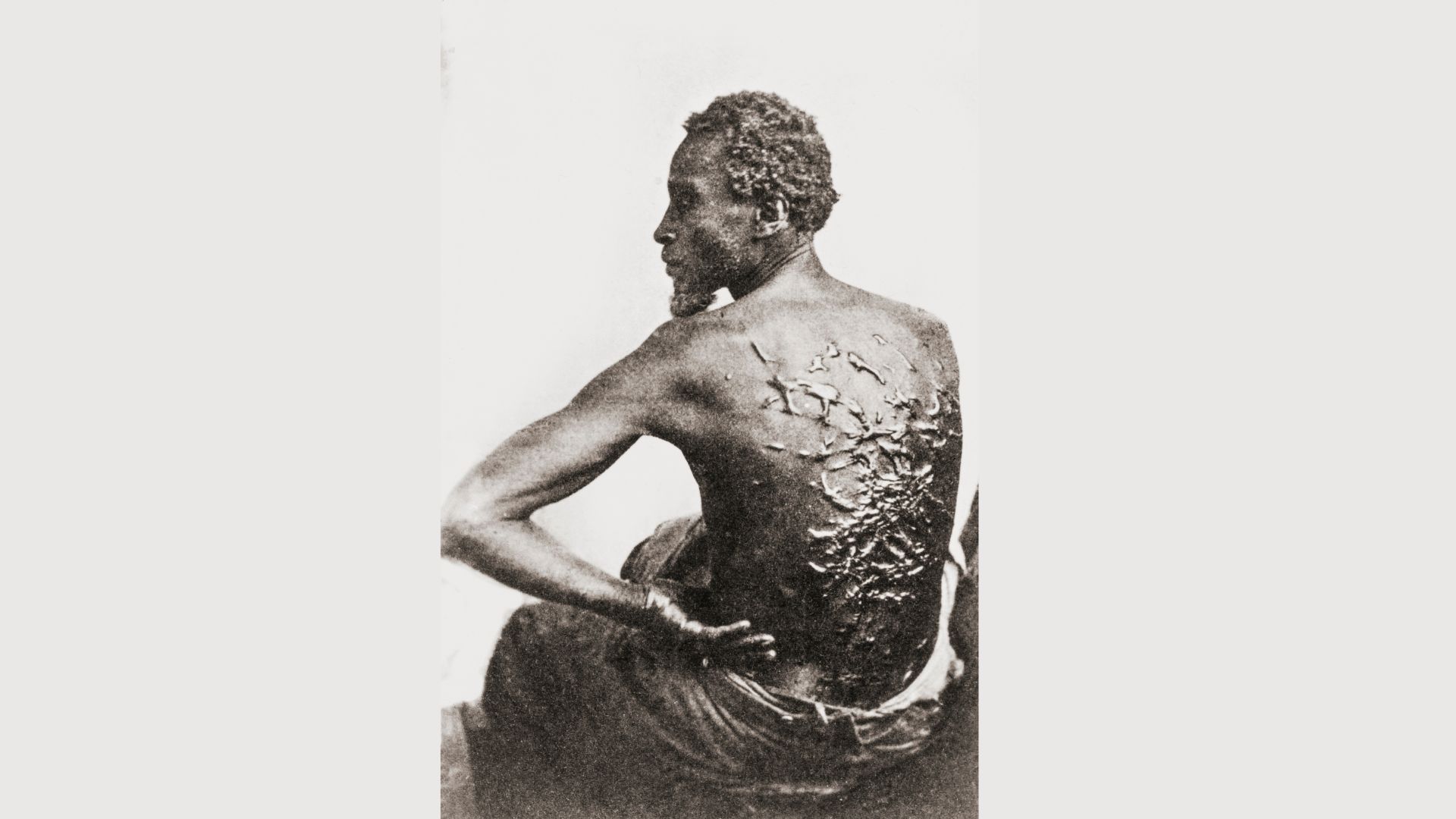
Trump Governance Ordered Removal of Historic Photo Depicting Scars from Enslaved Man’s Back
A photograph depicting teh scarred back of an enslaved man, known as “Whipped Peter,” has been removed from display at several national parks following a directive from the Trump administration. the photo, taken in 1863 by William D. McPherson, is among exhibits about slavery targeted for removal under President Trump’s March 2025 executive order aimed at promoting a revised interpretation of American history.
The executive order, titled “Restoring Truth and Sanity to American History,” instructed the Department of the Interior to eliminate content from national monuments and historic sites that “inappropriately disparage Americans past or living.” The administration accused the Biden administration of promoting a “corrosive ideology” that portrays the U.S. as “inherently racist, sexist, oppressive, or otherwise irredeemably flawed.”
The National Park service has responded to the order by reviewing signs and displays at locations including Harpers Ferry National Historic Park in West Virginia and George Washington’s Philadelphia residence, where the frist U.S. president enslaved nine people.
Alan Spears, Senior Director of Cultural Resources at the National Parks Conservation Association, released a statement condemning the removal of the photograph: “Great countries don’t hide from their history. We learn from the past and confront it when necessary. The ‘Scourged Back’ photograph shocked the nation and the world with it’s honest depiction of the vicious nature of slavery. The decision to remove this photograph from the interpretive displays at national parks is as shameful as it is wrong.”
Spears emphasized the careful selection process for park exhibits, stating, “Expert historians at the National Park Service spend a great deal of time determining what goes on display at national parks, and what the public can learn from it. This photo and other images and information have been painstakingly selected and contextualized to help park visitors understand the role slavery has played in our history.” He criticized the swiftness of the removal decision, noting its lack of consideration for historical complexity and the Park Service’s expertise.
“Our national parks have the power to bring people together, to learn about our country’s trials and triumphs alike, and build a better world for future generations,” Spears concluded. “The administration needs to stop meddling in American history at our national parks.”
