
Apple’s Strategic Position in the Age of AI
Apple’s recent product announcements sparked discussion about the company’s approach to artificial intelligence, particularly in comparison to competitors like Samsung and Google. While it’s reasonable to question why Apple doesn’t replicate the AI features found on other smartphones and maintain its focus on health and wearable technology, the company possesses a unique strength: its established platform dominance.
Apple’s iPhone has become the de facto general computing platform for many, and the company can leverage this position to benefit from the innovations of others. Just as Apple doesn’t need to develop its own video games – it provides the platform for them to thrive – it can capitalize on the popularity of AI services like ChatGPT, Perplexity, and Gemini by ensuring they are readily available on the iPhone through the App Store. This allows apple to profit through its platform,subscriptions,and continued hardware and operating system development.
The company is already empowering developers with apis to access the machine learning capabilities of its chips, enabling them to build AI-powered applications.This approach allows apple to foster innovation while maintaining a degree of separation from potential issues related to accuracy or safety.
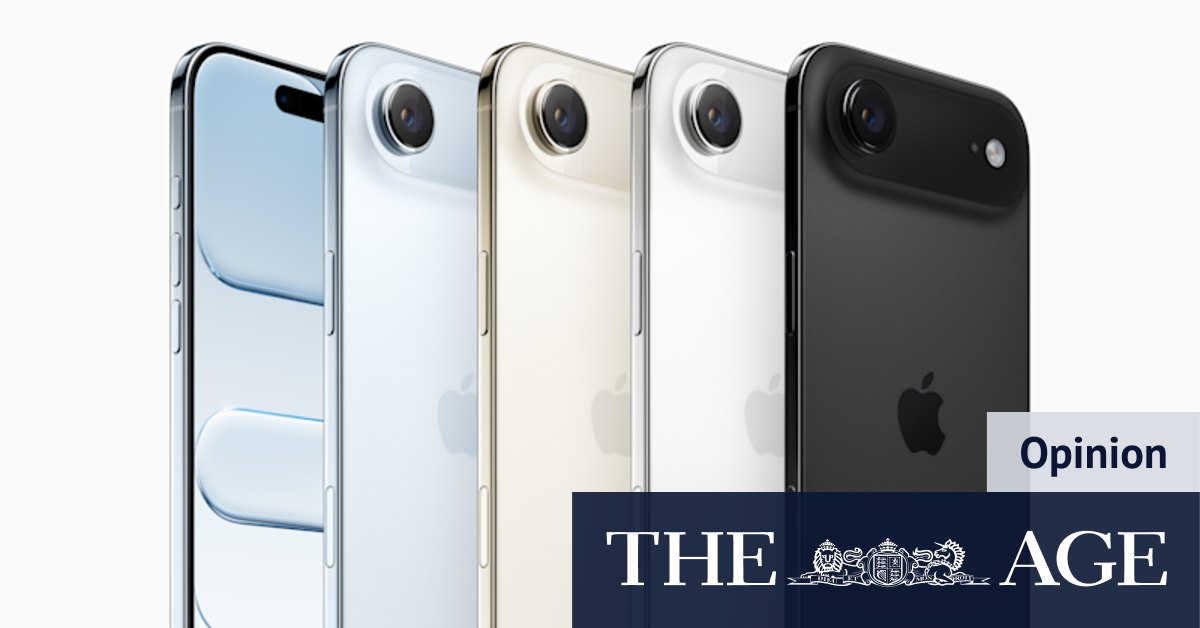
Beyond software, Apple continues to emphasize industrial design and device longevity. The recent unveiling of a thin yet durable iPhone, alongside a redesigned iPhone Pro, highlights the company’s commitment to aesthetics and build quality. While the Android market now offers numerous well-designed phones, Apple’s focus on design remains a key differentiator. Furthermore, Apple prioritizes durability and extended product lifecycles, a philosophy that contrasts with the potential future of AI-driven smartphones leaning towards cloud-based interfaces and disposable hardware.
Apple will likely integrate more AI into its offerings, but the core undertaking of responsibly training, testing, and implementing generative AI is a significant challenge. The company’s strength lies in creating reliable devices and software services,and it may be favorable to remain the platform supporting broader AI innovation rather than attempting to do everything itself.
