
hyundai Raid Sparks Diplomatic row: South Korean Workers Return Home Amidst US Visa Concerns
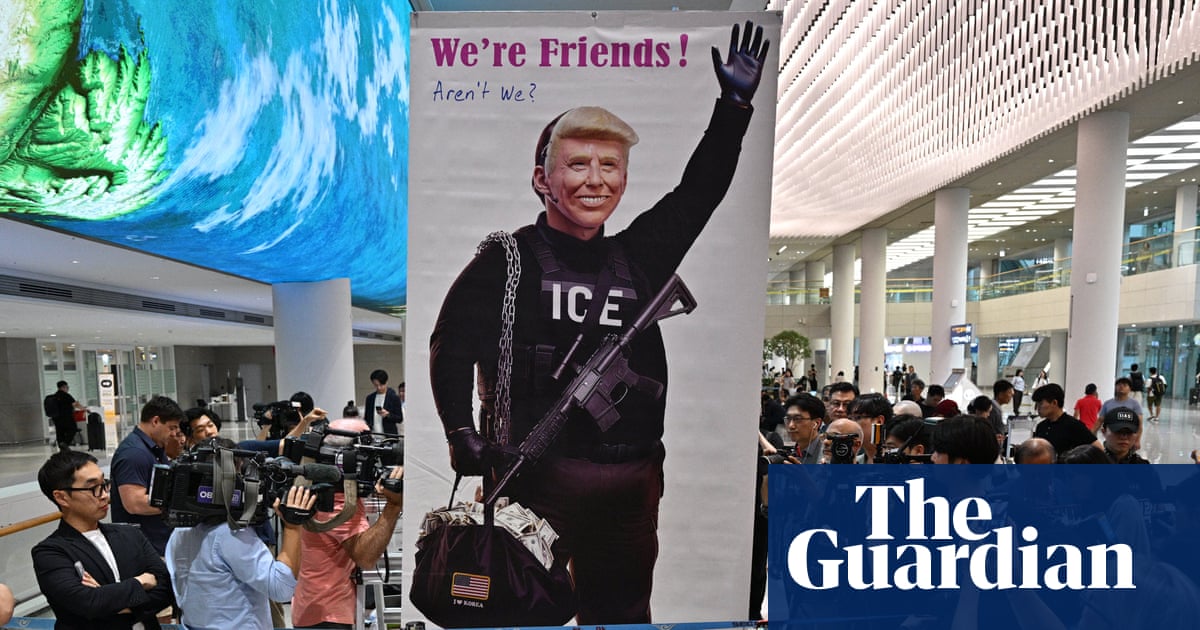
Incheon, South Korea – after a week of detention and escalating diplomatic tensions, 316 South Korean workers have returned home to Incheon International Airport, concluding a harrowing ordeal triggered by a large-scale raid by US Immigration and Customs Enforcement (ICE) at a Hyundai-LG battery plant construction site in Georgia. The incident has ignited a firestorm of criticism in South Korea, raising serious questions about the reliability of its alliance with the United States.
The workers, along with 14 individuals of other nationalities, arrived on a chartered Korean Air flight Friday afternoon, visibly exhausted but relieved. They were met with a subdued welcome, respecting their requests for privacy as they departed the airport.
The ICE raid, the largest single-site operation in the agency’s history, centered on concerns that workers were utilizing B1 business visas and the 90-day visa waiver programme (ESTA) for employment purposes, rather than the permitted activities of meetings or training. This practice, a long-standing “gray zone” for Korean companies seeking to circumvent lengthy H-1B work visa processing times and limited quota allocations, had previously been largely overlooked by US authorities.
The detention sparked widespread outrage across the South Korean political spectrum. Newspapers described the workers’ treatment as akin to “prisoners of war,” and expressed a sense of betrayal by a key ally. President Lee Jae Myung issued a stark warning to Washington on Thursday, stating that Korean businesses would be hesitant to invest further in the US if visa issues are not swiftly resolved.
“Korean businesses that have entered the United States are likely in a state of serious bewilderment,” President Lee stated. “This isn’t long-term permanent employment, but to establish facilities and equipment for factories; we need technicians to install machinery and equipment. The US doesn’t have such personnel, and they won’t give visas for [our workers] to stay and work.”
The $4.3 billion battery plant, a critical component of Hyundai’s electric vehicle expansion in
