
Israeli Tactics in South Lebanon Echo Past Occupation, Raising Tensions
Aitron, lebanon – An Israeli military operation in the outskirts of Aitron, South Lebanon, early Tuesday morning involved the bombing of a destroyed building and the distribution of warning leaflets, reviving tactics reminiscent of Israel‘s occupation of Lebanon in the 1980s and 90s. the leaflets accused Hezbollah of using the location for “terrorist activities” and warned residents against allowing the group to return.
The operation coincides with ongoing discussions regarding a Lebanese army plan to address the issue of unauthorized weapons, especially those held by Hezbollah. While the plan has reportedly garnered support from some factions, it remains unapproved by the Lebanese cabinet and is possibly linked to ongoing negotiations with the United States regarding a phased approach to implementation, potentially involving reciprocal concessions. MP Abdullah, speaking on the matter, urged adherence to a recent government decision affirming the state’s exclusive right to wield weapons, emphasizing the Lebanese army’s central role and need for logistical and technical support.
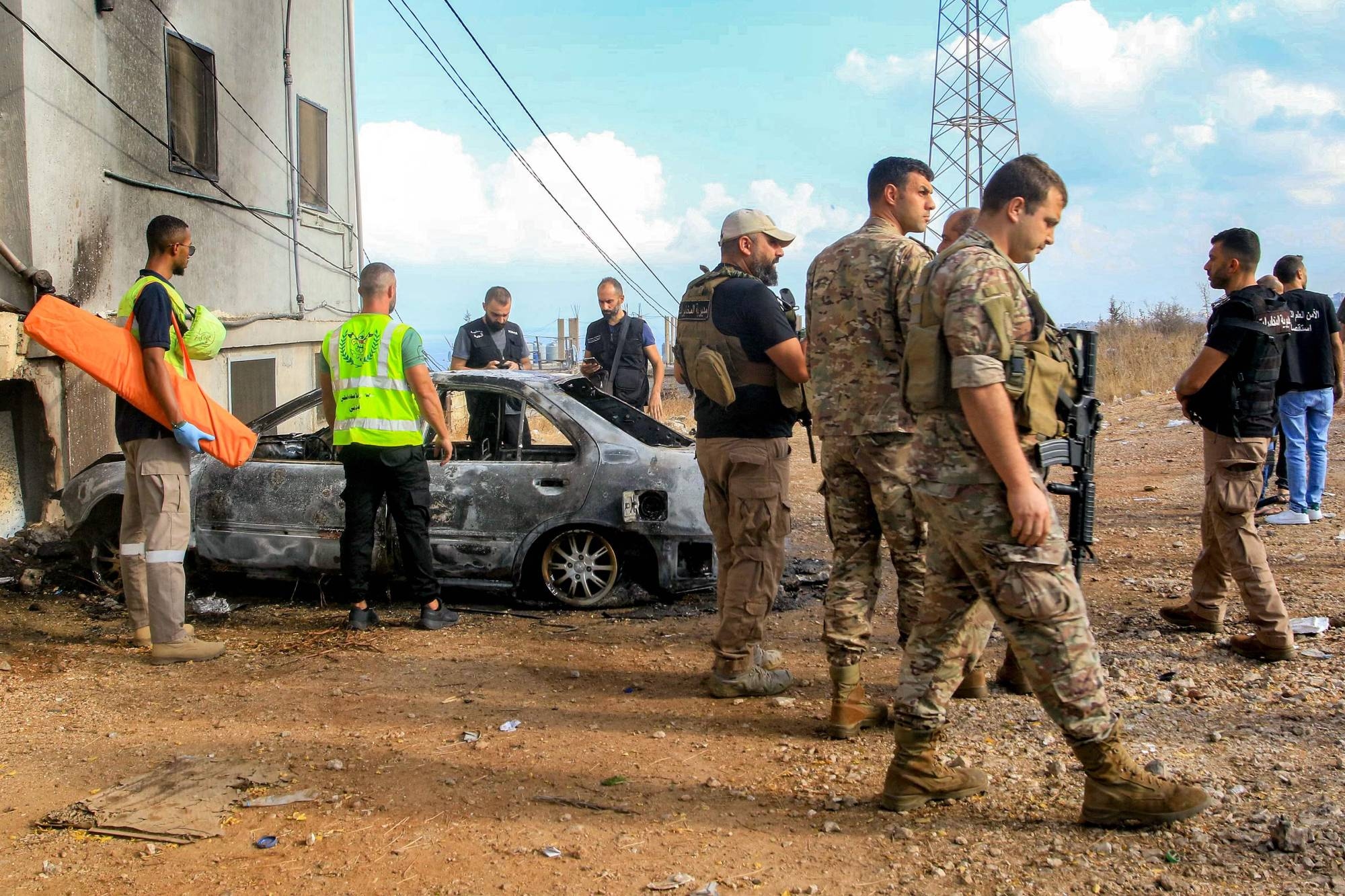
Eyewitnesses reported the Israeli force booby-trapped and bombed a room within a previously damaged house in the Khanouk area. The leaflets left behind stated: “This place was used by (Hezbollah) for terrorist activities that put you at risk… Do not allow them to return to this place.” Observers suggest the leaflet campaign represents a intentional attempt at psychological warfare.
The timing of the operation and leaflet distribution is viewed by some as a signal of Israeli escalation, particularly as no response has yet been received from Israel regarding a recent American-Lebanese proposal. MP Abdullah has called on the international and Arab communities to intervene and curb further Israeli violations.A key concern raised is the lack of a defined timeline within the Lebanese army’s plan for disarming non-state actors, which some believe contributes to ongoing instability and violence.The army currently submits monthly reports on the matter, but critics argue this lacks the clarity needed to achieve a definitive resolution.
