
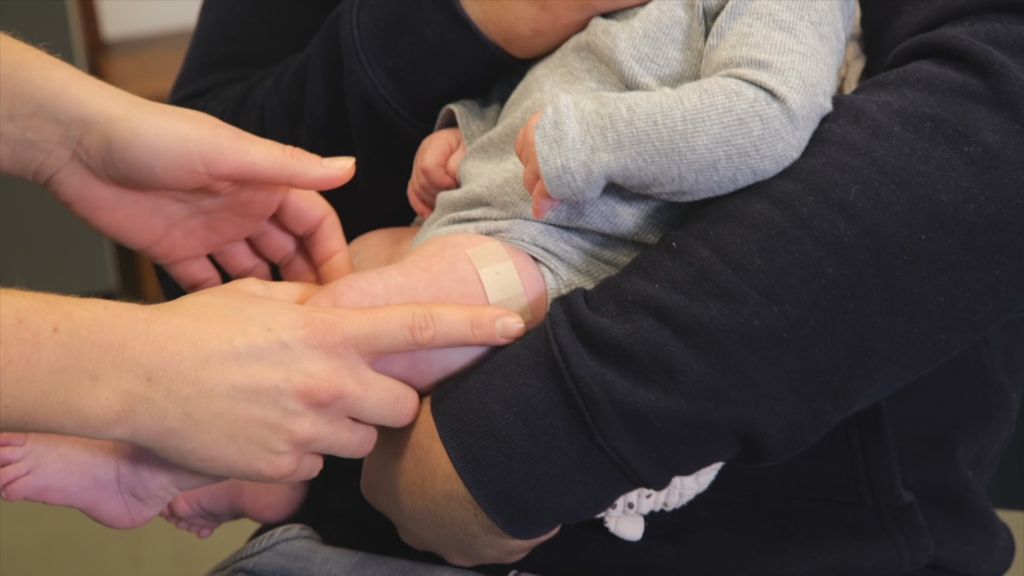
Netherlands Begins Vaccinating Infants Against RS Virus in Landmark move
Today, September 8, 2025, marks a significant step in infant health as the Netherlands commenced vaccinating babies against the respiratory syncytial virus (RSV), commonly known as the RS virus. The rollout aims to prevent severe respiratory infections, which can be particularly dangerous - and even fatal – for infants. Healthcare professionals and pediatricians anticipate a substantial reduction in infant suffering this year due to the preventative measure.
RSV is a leading cause of infant mortality worldwide, ranking second only to malaria. While deaths are rare in the Netherlands, the virus results in 1,500 to 3,000 hospitalizations annually, with approximately 150 children requiring intensive care, often overwhelming hospital capacity during the fall and winter months. The situation has previously necessitated assistance from hospitals in neighboring countries like Germany and Belgium, and the postponement of scheduled surgeries for other children.
The immunization, called Nirsevimab, differs from traditional vaccination. It provides immediate protection for about six months by directly introducing antibodies against the virus, rather than prompting the baby’s immune system to produce them. Consequently, side effects are reported to be almost nonexistent, according to the Netherlands Pharmacovigilance Center Lareb.
Data from other countries that approved Nirsevimab in 2023 indicate an 80 percent reduction in RSV-related hospital admissions. The Dutch national Institute for Public Health and the Habitat (RIVM) is implementing a birthdate-dependent vaccination schedule to coincide with the peak RSV season.Infants born between October 1 and April 1 will receive the immunization before two weeks of age, while others will be vaccinated in September or October.
