
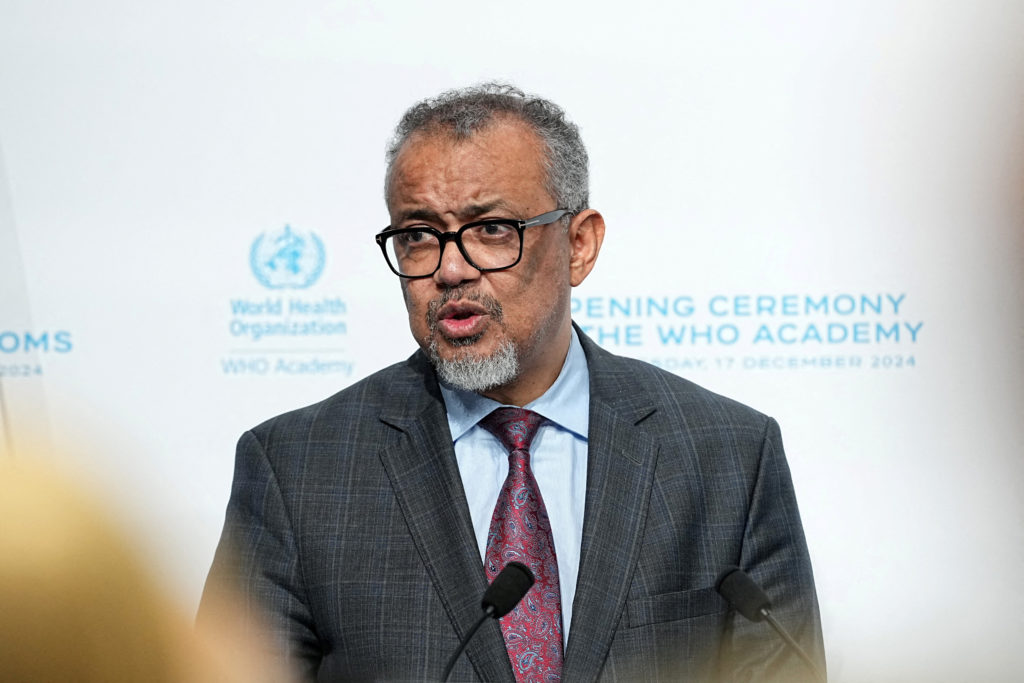
The World Health Organization declared on September 6, 2025, that the mpox outbreak in Africa no longer constitutes a global health emergency. This declaration, made by WHO Director-General Dr. Tedros Adhanom Ghebreyesus, signals a significant shift in the international response to the disease, which had previously prompted concerns about widespread transmission.
While the global emergency phase has ended, the virus continues to circulate in several African countries, and sporadic cases are reported worldwide. The WHO emphasized that vigilance remains crucial, particularly in supporting affected nations to maintain surveillance, testing, and vaccination programs. The decision reflects a substantial decline in reported cases and a more manageable situation compared to the peak of the outbreak in 2022 and 2023, when the WHO initially declared a Public Health Emergency of International Concern.
Dr. Tedros acknowledged the progress made in controlling the outbreak, attributing it to increased vaccination efforts, improved public health awareness, and strengthened surveillance systems. He cautioned,however,that the virus has not disappeared and that continued efforts are needed to prevent future outbreaks and protect vulnerable populations.
Mpox, formerly known as monkeypox, is a viral zoonosis – a disease that transmits from animals to humans. Symptoms include fever, headache, muscle aches, swollen lymph nodes, and a characteristic rash. The recent outbreak saw a disproportionate impact on men who have sex with men,prompting targeted vaccination campaigns in many countries.
The WHO continues to recommend vaccination for high-risk individuals and urges countries to maintain preparedness measures to respond effectively to any resurgence of the virus.The organization will provide ongoing support to African nations to strengthen their capacity to prevent, detect, and respond to mpox and other emerging health threats.
