
Northern India Battles Deadly Flooding as Monsoon Intensifies
Table of Contents
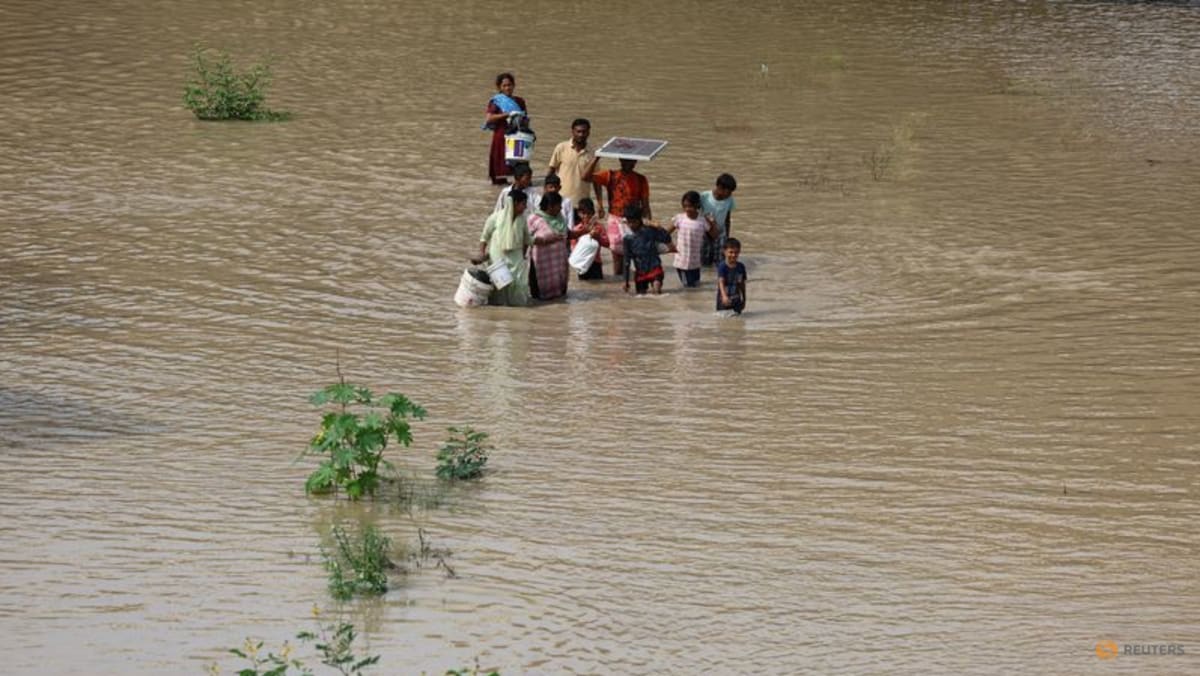
New Delhi - At least five lives have been lost across northern India due to severe flooding triggered by relentless monsoon rains, officials confirmed on Wednesday. The crisis has prompted the evacuation of approximately 10,000 residents from the banks of the yamuna River in Delhi,according to local media reports. The situation remains precarious, with the India Meteorological Department (IMD) forecasting continued heavy to very heavy rainfall across the region.
Intense Monsoon Season Fuels Disaster
This year’s monsoon season has been exceptionally severe, notably impacting northern India. august alone witnessed at least 130 fatalities attributed to monsoon-related incidents, including widespread destruction of villages and critical infrastructure. The current wave of flooding is affecting Jammu and Kashmir, Himachal Pradesh, Uttarakhand, and Punjab, where major rivers – including the Chenab and Tawi – have surpassed danger levels.
Landslides and Disrupted Connectivity
The overflowing rivers have instigated landslides, causing significant damage to roadways and effectively isolating portions of the mountainous regions in Jammu and Himachal Pradesh. Tragically, landslides in the Rajouri district of Jammu and the Mandi district of Himachal Pradesh claimed at least five lives on wednesday. Authorities are working to restore connectivity, but the ongoing rainfall is hindering efforts.
Continued Rainfall Expected
The IMD has issued warnings for heavy to very heavy rainfall across the region, with a particular focus on Uttarakhand and Uttar Pradesh. The Central Water Commission (CWC) reported that the Yamuna River exceeded its danger mark in Delhi on Tuesday, exacerbating the flood situation. Residents in vulnerable areas are urged to remain vigilant and heed evacuation orders.
Understanding India’s monsoon and Flood Risks
The Indian monsoon is a crucial weather system for the country’s agriculture and economy,but it also brings the risk of devastating floods. Changing climate patterns are believed to be intensifying the monsoon, leading to more frequent and severe rainfall events. Improved infrastructure, early warning systems, and disaster preparedness are vital to mitigating the impact of these floods.Long-term strategies focusing on sustainable land management and river basin planning are also essential.
Frequently Asked Questions About the Northern India Floods
- What caused the flooding in Northern India?
- The flooding is a direct result of exceptionally heavy monsoon rains, which have caused rivers to overflow and triggered landslides.
- Which regions are moast affected by the current floods?
- Jammu and kashmir, Himachal Pradesh, Uttarakhand, Punjab, and Delhi are currently the most severely affected regions.
- How manny people have been evacuated due to the flooding?
- Local media reports indicate that approximately 10,000 people have been evacuated from the river banks in Delhi alone.
- What is the current weather forecast for the region?
- The India Meteorological Department (IMD) is forecasting continued heavy to very heavy rainfall,particularly in Uttarakhand and Uttar Pradesh.
- What is the danger mark for the Yamuna River?
- The Central Water Commission (CWC) reported that the yamuna River breached its danger mark in Delhi on Tuesday.
- Are landslides contributing to the crisis?
- Yes, the swollen rivers have triggered landslides, damaging roads and isolating mountainous regions in Jammu and Himachal Pradesh.
