
Beyond HbA1c: AI Uncovers New Diabetes Risk Profiles
Table of Contents
health.">
A groundbreaking study published in Nature Medicine demonstrates that artificial intelligence, analyzing multiple data points, can more accurately assess diabetes risk than customary methods relying solely on HbA1c levels. This advancement promises to revolutionize diabetes prevention and diagnosis, moving towards personalized health strategies. The research, led by M.Carletti and colleagues, identifies correlations between glucose spikes and various physiological factors.
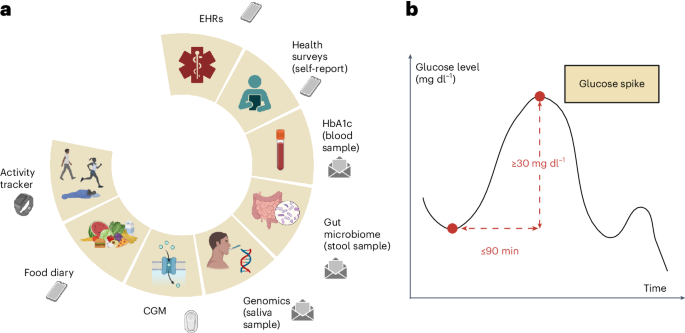
For decades, HbA1c – a measure of average blood sugar over two to three months – has been the standard for diagnosing pre-diabetes and type 2 diabetes. However, this metric doesn’t capture the impact of glucose spikes – rapid increases in blood sugar after meals. These spikes, even within a normal HbA1c range, are now understood to contribute significantly to health risks.
The study utilized multimodal AI, integrating data from continuous glucose monitoring, physical activity trackers, and other sources. Researchers analyzed data from individuals with normal glucose regulation, pre-diabetes, and type 2 diabetes. The AI identified distinct patterns correlating glucose spikes with increased risk, even in individuals with seemingly healthy HbA1c readings.
“Our findings suggest that focusing on glucose variability, particularly spikes, provides a more nuanced understanding of metabolic health,” explained the research team. This approach allows for earlier intervention and potentially prevents the progression to full-blown diabetes. The AI’s ability to process complex datasets offers a level of precision previously unattainable.
The implications of this research extend beyond diagnosis. Personalized interventions, tailored to an individual’s unique glucose response, could become commonplace. This includes dietary adjustments, exercise recommendations, and potentially, targeted therapies. Further research is needed to validate these findings in larger, more diverse populations.
diabetes Prevention: A Shifting Landscape
The rising global prevalence of diabetes presents a notable public health challenge. Lifestyle factors, including diet and exercise, play a crucial role in both prevention and management. Traditional approaches to risk assessment have limitations, prompting the exploration of more refined methods like AI-driven analysis. The focus is shifting from simply managing blood sugar to understanding the dynamic interplay of factors influencing metabolic health. Continuous glucose monitoring (CGM) is becoming increasingly accessible, providing valuable data for personalized interventions.
Frequently Asked Questions
- What are glucose spikes? Glucose spikes are rapid increases in blood sugar levels, typically after eating. They can contribute to health problems even if your average blood sugar (HbA1c) is normal.
- How does AI improve diabetes diagnosis? AI can analyze multiple data points – beyond HbA1c – to identify subtle patterns indicating diabetes risk that might or else be missed.
- Is HbA1c still significant? yes, HbA1c remains a valuable tool for assessing long-term blood sugar control, but it doesn’t provide a complete picture of metabolic health.
- What is multimodal data? Multimodal data refers to facts gathered from various sources, such as continuous glucose monitors, activity trackers, and potentially other physiological sensors.
- Can I use this information to prevent diabetes? Understanding your individual glucose response and making lifestyle adjustments based on that knowledge can significantly reduce your risk of developing type 2 diabetes.
- What is the significance of the Nature Medicine study? The study highlights the potential of AI to personalize diabetes prevention and diagnosis, moving beyond traditional one-size-fits-all approaches.
This research offers a hopeful glimpse into the future of diabetes care. If you found this information valuable, please share it with your network, leave a comment below, or subscribe to our newsletter for more updates on cutting-edge health research!
