
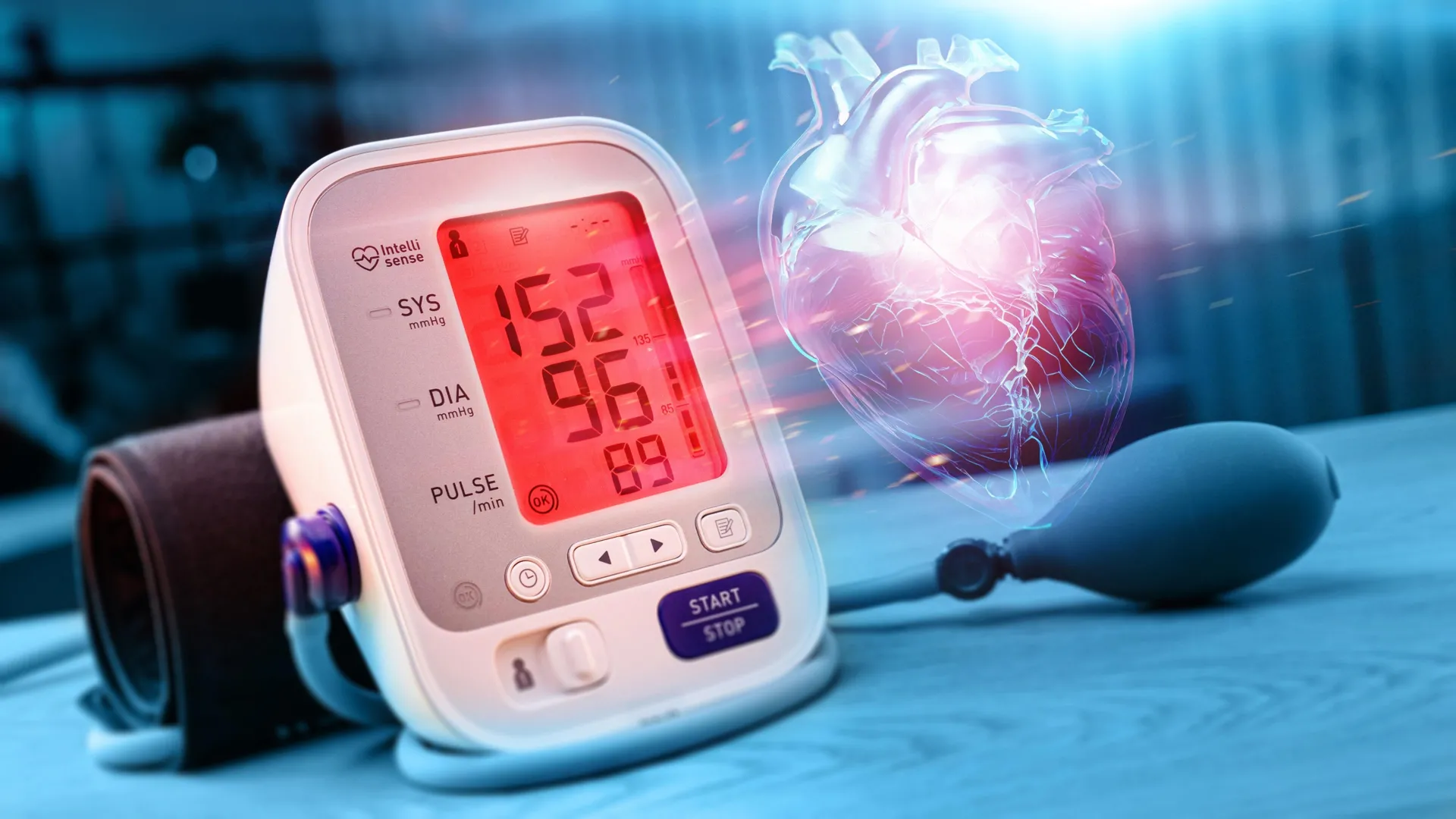
New Drug Offers Hope for Millions with Uncontrolled High Blood Pressure - Research Led by UCL Professor
Around 1.3 billion people worldwide suffer from high blood pressure (hypertension), with roughly half experiencing uncontrolled or treatment-resistant cases. This poses a significant health risk, increasing the likelihood of heart attack, stroke, kidney disease, and premature death. In the UK alone, approximately 14 million individuals are affected by hypertension.
A groundbreaking international trial,the BaxHTN trial,spearheaded by Professor bryan Williams of the UCL Institute of Cardiovascular Science and sponsored by AstraZeneca,has demonstrated promising results with a new drug called baxdrostat.The study, involving nearly 800 patients across 214 clinics globally, was supported by the NIHR Biomedical Research Center at UCLH.
Presented on August 30th at the European Society of Cardiology (ESC) Congress 2025 in Madrid and concurrently published in the New England Journal of Medicine, the trial revealed that patients taking baxdrostat (1mg or 2mg once daily) experienced an average blood pressure reduction of 9-10 mmHg more than those receiving a placebo.This reduction is ample enough to significantly lower cardiovascular risk. Notably, approximately 40% of patients on baxdrostat achieved healthy blood pressure levels, compared to less than 20% in the placebo group.
Professor Williams, the Principal Investigator and presenter at ESC, stated, “Achieving a nearly 10 mmHg reduction in systolic blood pressure with baxdrostat in the BaxHTN Phase III trial is exciting, as this level of reduction is linked to substantially lower risk of heart attack, stroke, heart failure and kidney disease.”
Understanding the Mechanism: Targeting Aldosterone
Blood pressure regulation is heavily influenced by aldosterone, a hormone that controls salt and water balance within the kidneys. An overproduction of aldosterone causes the body to retain excess salt and water, leading to elevated blood pressure and making it difficult to manage. for decades, researchers have focused on addressing aldosterone dysregulation, but effective solutions have remained elusive.
Baxdrostat directly tackles this issue by blocking aldosterone production, effectively addressing a key driver of hypertension.
Professor Williams, also Chair of Medicine at UCL, emphasized the importance of these findings: “These findings are an crucial advance in treatment and in our understanding of the cause of difficult to control blood pressure.” He further noted that current estimates suggest at least half of those treated for hypertension don’t achieve control, and this figure may be even higher given increasingly stringent blood pressure targets – recently lowered to less than 130/80 mmHg by the ESC 2024 guidelines (previously 140/90 mmHg).
The trial data showed that adding baxdrostat 1mg or 2mg once daily to existing antihypertensive medication resulted in clinically significant and sustained reductions in systolic blood pressure over up to 32 weeks, with no unexpected safety concerns.
“This suggests that aldosterone is playing an important role in causing difficult to control blood pressure in millions of patients and offers hope for more effective treatment in the future,” professor Williams concluded.
A Global Health Impact
While historically concentrated in Western, high-income countries, hypertension is now increasingly prevalent in Eastern and lower-income nations, largely due to dietary shifts. Currently, over half of those affected reside in Asia, with 226 million cases in China and 199 million in India (according to Blood pressure UK).
Professor Williams highlighted the potential global impact of baxdrostat: “The results suggest that this drug could potentially help up to half a billion people globally – and as many as 10 million people in the UK alone, especially at the new target level for optimal blood pressure control.”
