
Indonesia‘s Music Royalty Dispute: Cafes quiet as Copyright Enforcement Intensifies
Table of Contents
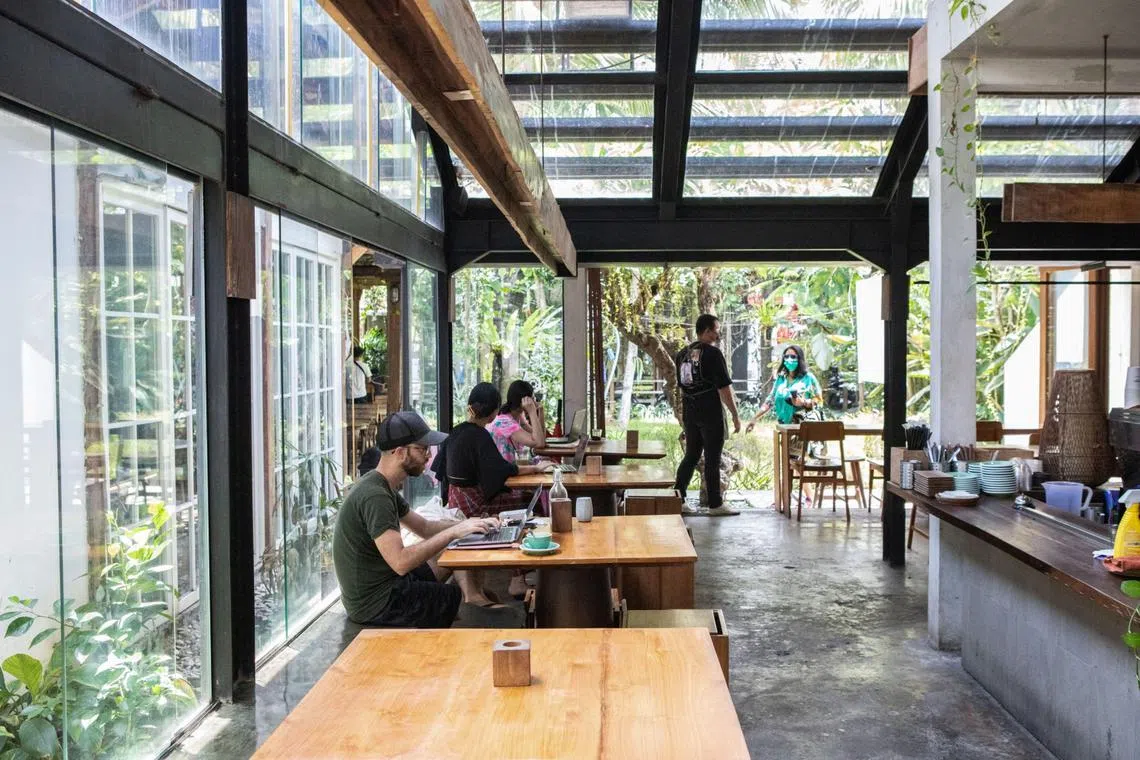
Jakarta, Indonesia – A noticeable shift has occurred in Indonesia’s vibrant café and restaurant scene: the lively sounds of local music are fading, replaced by the quiet hum of espresso machines. This change stems from a recent, stricter enforcement of music copyright laws, sparking anxiety among business owners and igniting debate within the Indonesian music industry.
The Royalty Crackdown: A New Era of Enforcement
Indonesia’s 2014 Copyright Law mandates that all commercial public spaces-from concert halls to small cafes-pay annual royalties to the National Collective Management Agency (LMKN), a state-backed organization. The LMKN then distributes these funds to songwriters, singers, and music producers. Essentially, the royalty functions as a license to publicly perform music. Understanding Indonesia’s copyright laws is crucial for businesses.
Royalty rates vary depending on the type of venue. Cafés and restaurants are charged Rp120,000 (approximately $9.50 USD) per seat annually, while bars and nightclubs face fees of Rp360,000 to Rp430,000 per square meter. while the law was enacted in 2014, consistent enforcement didn’t begin until 2021, when a government regulation made royalty payments compulsory for all commercial establishments. This move aimed to align Indonesia with international standards and bolster the creative economy.
The mie Gacoan Case and its Ripple affect
The issue reached a boiling point with the case of Mie gacoan, a popular noodle chain. A franchise in Bali was reported in August 2024 for failing to remit royalties since 2022. On August 8,2025,the company settled the dispute with a Rp2.2 billion payment, covering 65 outlets across Bali, Java, and Sumatra for the period of 2022-2025.
This case triggered widespread fear throughout the industry. Some cafes preemptively switched to playing English-language songs or instrumental versions, hoping to avoid scrutiny-a strategy that proved ineffective, as these selections are also subject to royalty fees. Others resorted to playing nature sounds or even Buddhist chants,while the most cautious establishments simply stopped playing music altogether.
Did You Know? Even recordings of natural sounds,or their inclusion in musical works,can be subject to copyright restrictions.
Conflicting Perspectives and Industry Debate
The enforcement has exposed deep divisions within the Indonesian music community. Veteran musician Ahmad Dhani, of the rock band Dewa 19, advocates for direct licensing agreements between venues and artists, believing this ensures fairer compensation and greater creator control. He even offered his band’s catalog for free use to businesses that contacted him directly via Instagram on August 6th, stating, “As the master owner, I will give them for free to anyone interested.”
Conversely,Nazril irham,frontman of the band Noah,supports the LMKN and LMK system,arguing that it streamlines the royalty collection process. He expressed his preference for the collective system in a local media interview in March,stating,”if it goes through LMK,I do not mind… Better through LMK.” This stance drew criticism from Dhani,who accused him of being “selfish” and disregarding the needs of other composers.
Legal Challenges and Clarifications
In March 2025, a group of 29 prominent singers, including Nazril Irham, filed a judicial review with the Constitutional Court, challenging aspects of the 2014 Copyright Law and seeking a more transparent and equitable royalty system.
Adding to the confusion, Wahana Musik Indonesia, a non-profit representing over 3,800 songwriters and publishers, initially suggested that royalties might apply to music played at weddings and conventional celebrations. However, Professor Ahmad Ramli, a drafter of the 2014 Copyright Law, clarified that such non-commercial events are exempt from royalty payments. He cautioned against overzealous enforcement, warning that it could stifle the promotion of Indonesian music and harm the industry.
Pro Tip: Understanding the distinction between commercial and non-commercial use of music is vital for compliance.
| Venue Type | Royalty Rate |
|---|---|
| Cafés & Restaurants | Rp120,000 per seat per year (approx. $9.50 USD) |
| Bars & Nightclubs | Rp360,000 - Rp430,000 per square meter |
A Potential Resolution on the Horizon
Despite the turmoil,a resolution appears to be within reach. On August 21st, Deputy Speaker Sufmi Dasco Ahmad announced that businesses could resume playing music “as before” without fear of immediate repercussions, following consultations with relevant ministries, musicians, and parliamentary leaders. A commitment was made to revise the 2014 Copyright Law over the next two months and to centralize royalty collection under the LMKN, with provisions for increased transparency through audits.
What impact will these changes have on the Indonesian music scene? And how can businesses and artists collaborate to create a lasting and equitable royalty system?
The broader Context of Music Copyright in the Digital Age
The challenges facing Indonesia’s music industry mirror global trends. The rise of digital music streaming and the ease of online piracy have created significant hurdles for copyright enforcement worldwide. According to a 2023 report by the International Federation of the Phonographic Industry (IFPI), global recorded music revenues continued to grow, but combating online infringement remains a critical priority.IFPI Global Music Report 2023. Indonesia’s efforts to modernize its copyright laws and enforcement mechanisms are part of a larger international movement to protect the rights of music creators in the digital era.
Frequently Asked questions About Indonesian Music Royalties
- What is the purpose of music royalties in Indonesia? Music royalties compensate songwriters,singers,and producers for the public performance of their work.
- Who is responsible for collecting music royalties in Indonesia? The National collective Management Agency (LMKN) is the primary organization responsible for collecting royalties.
- Are all events required to pay music royalties? Generally, commercial public performances require royalties, while non-commercial events like private weddings are exempt.
- What happens if a business fails to pay music royalties? Businesses may face legal action and financial penalties.
- How are royalty rates resolute in Indonesia? Royalty rates vary based on venue type and capacity/size.
- Can musicians negotiate directly with venues for licensing? While possible,the LMKN system is designed to streamline the process.
We hope this article has provided clarity on the evolving situation surrounding music royalties in Indonesia. Share this article with your network to spread awareness, and let us know your thoughts in the comments below! Don’t forget to subscribe to our newsletter for the latest updates on global news and trends.
