
CT Scans and Cancer Risk: Balancing Life-Saving Diagnostics with Potential Long-Term Effects
Table of Contents
- CT Scans and Cancer Risk: Balancing Life-Saving Diagnostics with Potential Long-Term Effects
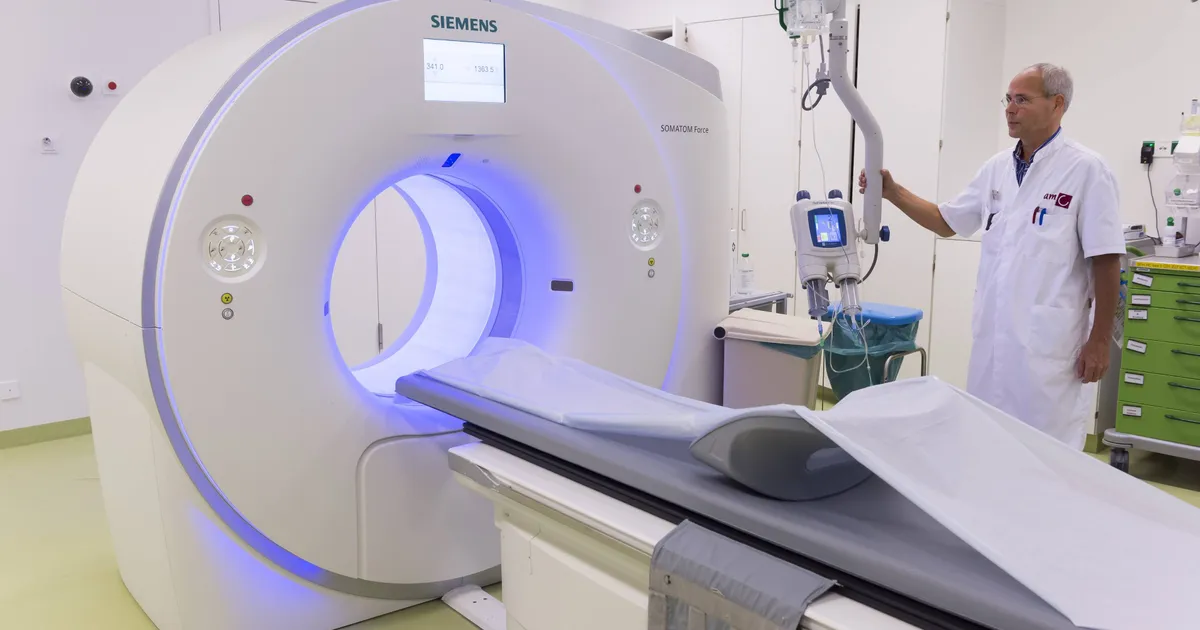
A surge in the use of computed tomography (CT) scans across the United States is raising concerns among researchers about a potential increase in cancer cases. While CT scans remain a critical tool for diagnosing life-threatening conditions, the low-dose ionizing radiation they employ carries a small, yet cumulative, risk. This comes as the number of scans administered has increased dramatically in recent years.
The Rise of CT Scans and Associated Radiation Exposure
Never before have so many Americans undergone CT scans. The technology offers a rapid and non-invasive way to visualize internal organs, quickly identifying tumors, heart disease, and internal injuries. However,this increased utilization-a rise of over 30 percent since 2007-means a larger segment of the population is being exposed to low levels of radiation.
Researchers from the United States and the United Kingdom estimate that the 93 million CT scans performed in the U.S. in 2023 could ultimately contribute to approximately 103,000 additional cancer cases. [[1]] This potential risk, when considered at a population level, is now comparable to that associated with alcohol consumption.
Did You Know?
The radiation dose from a single CT scan is generally low, but the cumulative effect of numerous scans over a lifetime is the primary concern.
Understanding the Risks: Modeling and Individual Impact
It’s crucial to understand that thes figures are derived from complex modeling, based on data from events like the Hiroshima and Chernobyl disasters, where radiation exposure was significantly higher. Establishing a direct causal link between low-dose radiation from CT scans and cancer remains a challenge. The National Cancer institute notes that the risk from a single scan is very small, and doctors consistently emphasize that patients should not forgo medically necessary scans.
Though,research suggests certain populations might potentially be more vulnerable. Young children and teenagers appear to be more sensitive to radiation’s effects, and women may face a slightly elevated risk of thyroid cancer. The American College of Radiology provides guidelines for minimizing radiation dose during CT scans, especially for pediatric patients.
Key Statistics: CT Scan Usage and Projected Cancer Cases
| Year | Number of CT Scans (US) | Projected Cancer Cases (from 2023 scans) |
|---|---|---|
| 2007 | 72 million | N/A |
| 2023 | 93 million | 103,000 |
Benefits Outweigh Risks in Many Cases
Medical professionals consistently maintain that the benefits of CT scans frequently enough far outweigh the potential risks.A landmark study demonstrated that lung cancer patients who underwent CT screening had a 20 percent lower mortality rate. This highlights the life-saving potential of early detection facilitated by this technology.
Pro Tip:
If your doctor recommends a CT scan, don’t hesitate to ask about the necessity of the scan and weather alternative imaging techniques, such as ultrasound or magnetic resonance imaging (MRI), could provide the same diagnostic information with less radiation exposure.
The Call for Restraint and Alternative Imaging
Experts are advocating for a more judicious approach to CT scan ordering, emphasizing the importance of avoiding unnecessary exposure. When feasible, ultrasound and MRI-which do not use ionizing radiation-should be considered as alternatives. As one Australian expert succinctly stated, “These results must make us alert, but they should never be a reason to omit life-saving diagnostics.”
What are your thoughts on the balance between diagnostic benefits and potential risks? Do you feel informed about the radiation exposure from medical imaging?
Looking Ahead: trends in Medical Imaging
The field of medical imaging is constantly evolving. Researchers are actively working on technologies to reduce radiation dose in CT scans, improve image quality, and develop more precise targeting techniques. Artificial intelligence (AI) is also playing an increasingly vital role in image analysis, helping radiologists to identify subtle abnormalities and improve diagnostic accuracy. The future of CT scanning will likely involve a greater emphasis on personalized medicine,tailoring imaging protocols to individual patient needs and risk factors.
frequently Asked Questions about CT Scans and Cancer Risk
- What is a CT scan? A CT scan (computed tomography) uses X-rays to create detailed cross-sectional images of the body.
- what are the benefits of a CT scan? CT scans are fast, painless, and can detect a wide range of conditions, including tumors, injuries, and infections.
- What are the risks associated with CT scans? The primary risk is exposure to ionizing radiation, which can slightly increase the lifetime risk of cancer.
- Who is most vulnerable to the risks of CT scans? Young children, teenagers, and women might potentially be more sensitive to the effects of radiation.
- Are there alternatives to CT scans? Ultrasound and MRI are alternative imaging techniques that do not use ionizing radiation.
This information is for general knowledge and informational purposes only, and does not constitute medical advice. It is essential to consult with a qualified healthcare professional for any health concerns or before making any decisions related to your health or treatment.
We hope this article has provided valuable insight into the complex relationship between CT scans and cancer risk. Please share this information with your friends and family, and join the conversation in the comments below. don’t forget to subscribe to our newsletter for more in-depth coverage of health and science news!
