
Saving Hong Kong‘s Yellow-Crested Cockatoos: A Race Against Extinction
Table of Contents
Hong Kong – A determined effort to safeguard one of the world’s most vulnerable bird species is underway in the bustling city. above the vibrant streets of Causeway Bay,conservationists are working to protect the critically endangered yellow-crested cockatoo.
A Fragile population
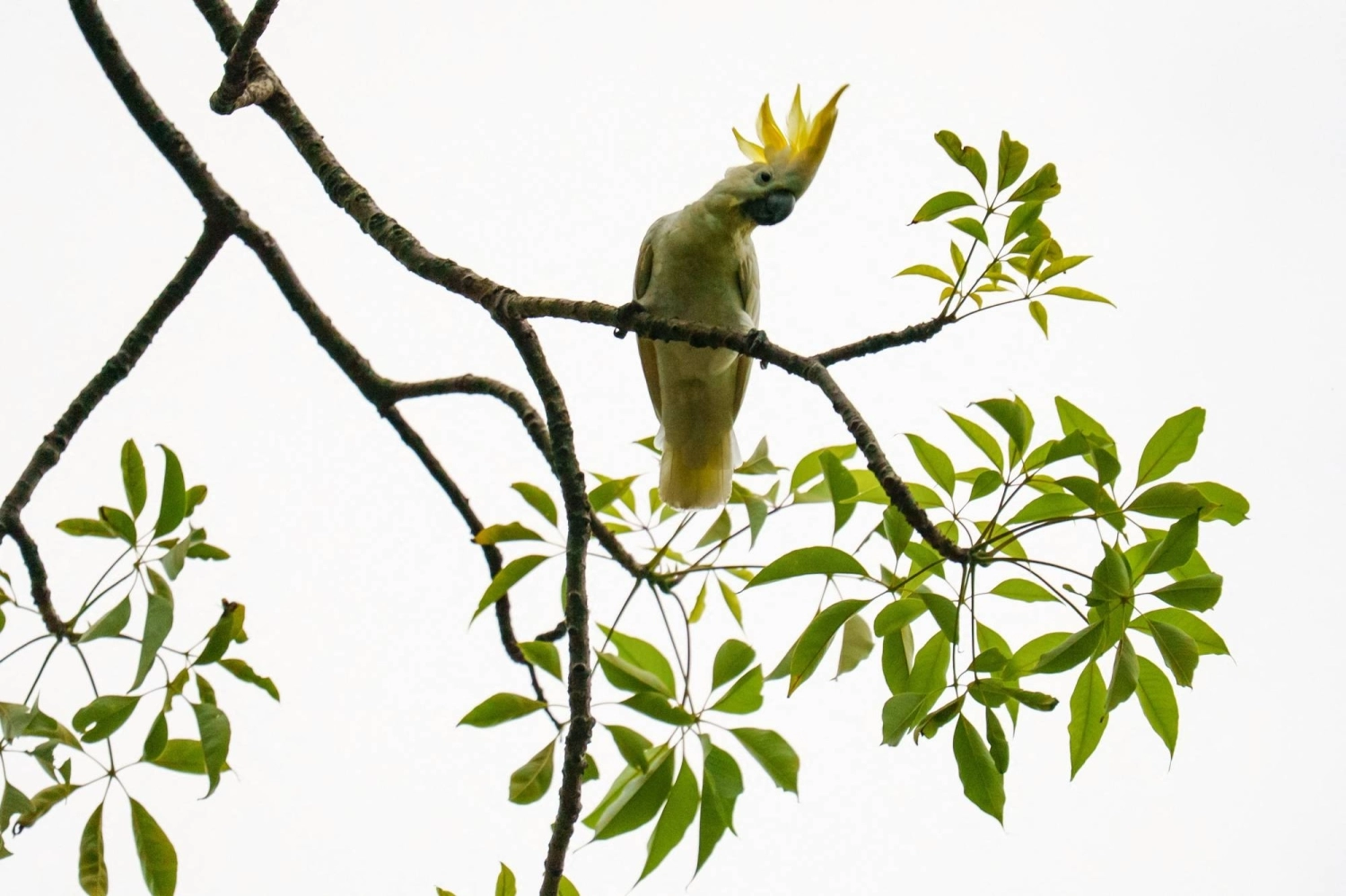
Only between 1,200 and 2,000 yellow-crested cockatoos remain globally. astonishingly, roughly one-tenth of this dwindling population-approximately 120 to 200 birds-now calls Hong Kong home, representing one of the largest remaining cohesive wild populations worldwide [[1]].This makes the city a crucial stronghold for the species’ survival.
Though, the future of these birds is precarious. Numbers have plateaued in recent years, with a concerning decline in juvenile birds observed by researchers. Habitat loss and suspected illegal trading pose significant threats.
The Nest Box Initiative
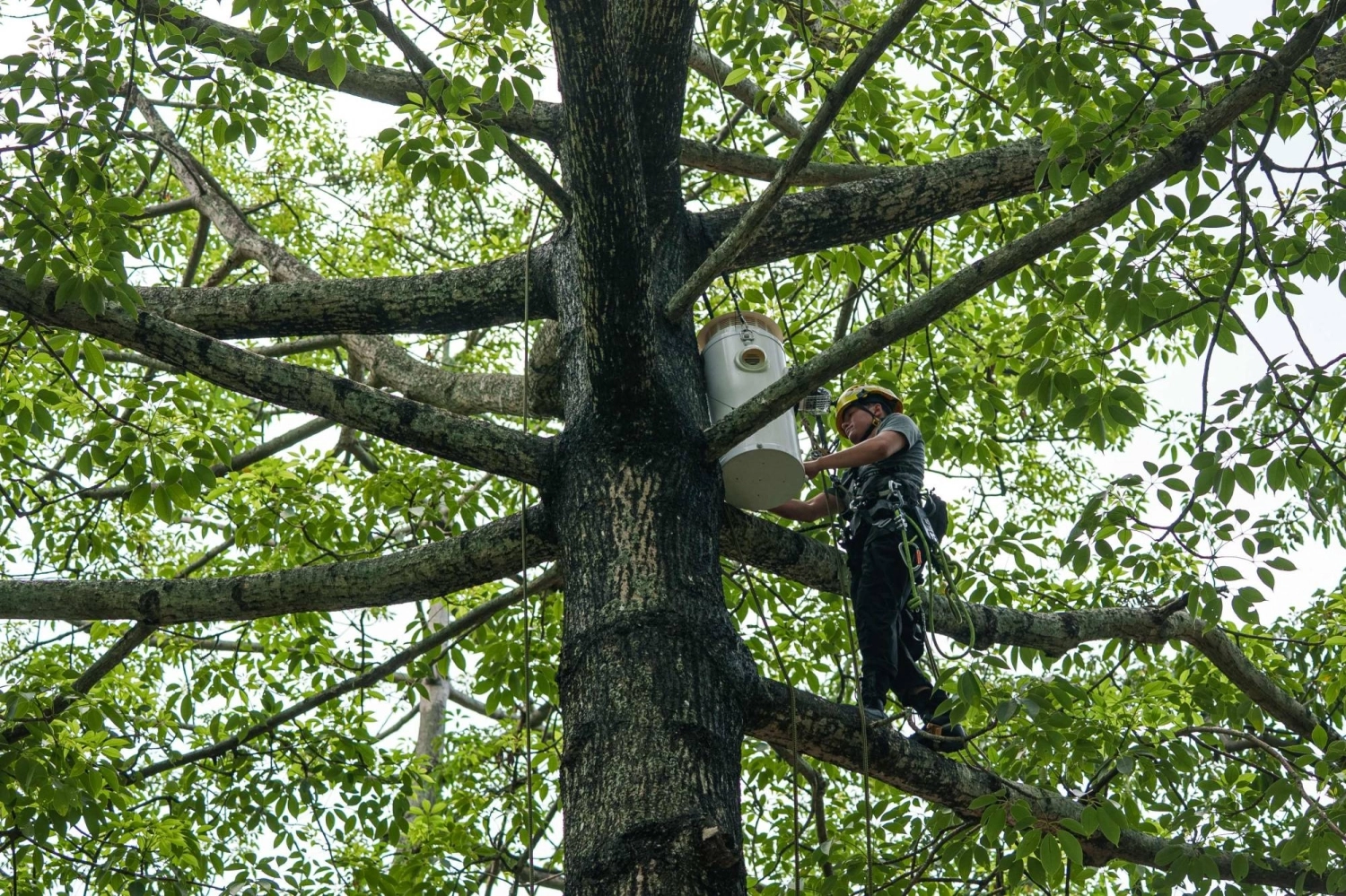
Yellow-crested cockatoos do not excavate their own nests; they rely on natural cavities in trees. Sadly, approximately 80 percent of these essential nesting sites have disappeared in recent years due to typhoon damage and routine government tree pruning. To address this critical shortage, postdoctoral researcher Astrid Andersson at the University of Hong Kong has spearheaded a nest box program.
These artificial nests are meticulously designed to mimic the hollows naturally sought by the cockatoos. Andersson plans to install around 50 nest boxes throughout the city,providing vital breeding opportunities.”Without the nest boxes, I believe that the cockatoos will have fewer and fewer opportunities to increase or replace individuals that die in their population,” Andersson stated.
Did You Know? The yellow-crested cockatoo is genetically distinct from the more common sulphur-crested cockatoo found in Australia.
An Unlikely Urban Sanctuary
The presence of yellow-crested cockatoos in Hong Kong is a remarkable story of human-wildlife coexistence. The birds are not native to the region; their population originated from escaped pets, rather than the widely circulated legend of birds released by a British governor before the Japanese surrender in 1941 [[1]].
Hong kong’s urban parks, abundant with fruit-bearing trees and nuts, have provided a surprising sanctuary for the species. The cockatoos have adapted to city life, often seen perched on streetlights and observing the bustling traffic below.
Many residents are unaware they are observing an endangered species. “We genuinely thought they were just like an average parakeet,” remarked Erfan, a local resident.
The Shadow of the Black Market
Concerns are growing about a potential black market for yellow-crested cockatoos. While trading wild-caught birds has been illegal since 2005, the sale of captive-bred birds is permitted-provided breeders possess valid licenses under the Convention on International Trade in Endangered Species (CITES). However, no such registered breeders currently exist in Hong Kong.
Sharon Kwok Pong, founder of Hong Kong Parrot Rescue, suspects illegal trading is occurring. “There have been peopel that find out where these birds are, they raid them,” she explained. She emphasizes the need for stricter enforcement,as documentation proving a bird’s origin can be easily falsified.
Pro Tip: Look for a leg ring and proper documentation when considering purchasing a cockatoo to ensure it was legally obtained.
A ‘Backup Population’ for the Future?
Andersson has developed a forensic test to analyze a cockatoo’s diet, helping to determine if it was recently captured from the wild. This innovative tool will aid in enforcing the ban on illegal sales. The Hong Kong population may also hold significant genetic value for the species’ long-term survival.
As poaching, habitat loss, and climate change continue to decimate cockatoo populations in their native Indonesia and East timor, the Hong Kong birds could serve as a vital “backup population,” potentially contributing to the genetic diversity of their wild counterparts. According to the IUCN Red list, habitat loss is a primary driver of species endangerment, impacting 85% of all species listed as threatened [[2]].
| Key Facts: Yellow-Crested Cockatoo in Hong Kong | |
|---|---|
| Global Population | 1,200 – 2,000 |
| Hong Kong Population | 120 – 200 (approx. 10% of global) |
| Threats | Habitat Loss, Illegal Trade |
| Conservation efforts | Nest Box Program, Forensic Diet Analysis |
| Legal Status | Critically Endangered |
What role do you think urban environments can play in species conservation? How can communities better balance progress with wildlife protection?
The conservation of the yellow-crested cockatoo in Hong Kong highlights a broader trend of species adapting to urban environments. As human populations grow and natural habitats shrink, the ability of wildlife to coexist with humans becomes increasingly critical. Innovative conservation strategies, such as the nest box program, are essential for mitigating the impacts of habitat loss and ensuring the survival of endangered species. The success of this initiative could serve as a model for othre urban conservation efforts worldwide.
Frequently Asked Questions about Yellow-Crested Cockatoos
- What is the conservation status of the yellow-crested cockatoo? It is indeed listed as Critically Endangered by the IUCN.
- Why are yellow-crested cockatoos endangered? Habitat loss, poaching, and the illegal pet trade are major threats.
- Where can I find yellow-crested cockatoos in Hong Kong? They are commonly seen in urban parks and near flyovers.
- Is it legal to own a yellow-crested cockatoo in Hong Kong? Selling captive-bred birds is allowed with a CITES licence, but no registered breeders exist in Hong Kong.
- What is being done to protect these birds? Conservationists are installing nest boxes and working to combat illegal trading.
This story is a testament to the resilience of nature and the power of dedicated conservation efforts. Share this article to raise awareness about the plight of the yellow-crested cockatoo and inspire action to protect this remarkable species. We invite you to join the conversation – leave a comment below and let us know your thoughts!
