
Nagasaki Hospital Digitizes Decades of Atomic Bomb survivor Medical Records
Table of Contents
NAGASAKI - The Japanese Red Cross Nagasaki Genbaku Hospital has completed the digitization of over 50,000 medical records belonging to survivors of the 1945 atomic bombing, a strategic move to preserve invaluable past data and unlock new avenues for medical research. This ambitious project, spanning over a decade, offers a unique chance to study the long-term health consequences of radiation exposure.
Preserving a Legacy: the Digitization Effort
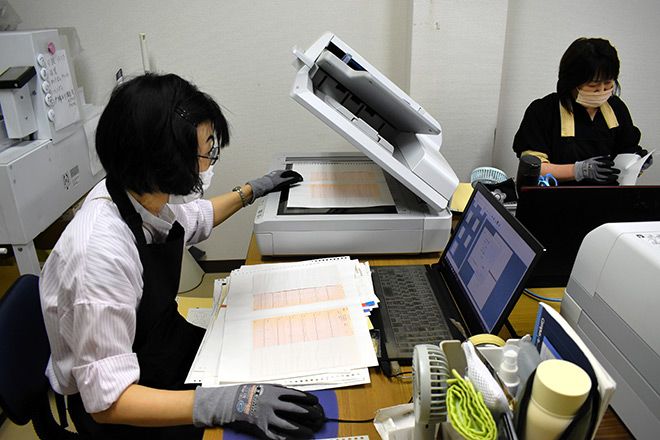
beginning in fiscal year 2017, the hospital embarked on a comprehensive effort to scan paper records dating back to 1958, encompassing both outpatient and, currently, inpatient data. The vast majority of these records belong to hibakusha, a Japanese term for those directly affected by the bombings. the project was initiated after officials recognized the urgent need to safeguard the deteriorating paper charts during preparations for a hospital relocation completed in 2020.
“These documents and materials on the atomic bomb survivors are so precious,” stated Dr. tadaomi Aikawa,a physician involved in the digitization project. “They are a piece of world heritage… We have to pass them on to posterity.”
The sheer volume of records was staggering – 3.2 kilometers of paper if laid end-to-end. Workers meticulously removed documents from hard-covered charts and digitized them,including crucial tissue data from biopsies. The resulting data is now securely stored within the hospital’s centralized management system.
Did You Know? The term “Genbaku” in Japanese directly translates to “atomic bomb,” and is incorporated into the hospital’s name, reflecting its central role in caring for survivors.
Funding and Timeline
The digitization project received support from the Japanese health ministry,with an annual budget of 10 million yen (approximately $67,000 USD). the initial phase, focused on outpatient records, was completed in June of last year. Work on the more complex inpatient records is expected to conclude by the end of 2027.
| Phase | Record Type | Start Date | completion Date (Projected) | Cost (Approx.) |
|---|---|---|---|---|
| Phase 1 | Outpatient Records | Fiscal Year 2017 | June 2023 | $670,000 |
| Phase 2 | Inpatient Records | Ongoing | End of 2027 | $670,000 |
Research Potential and Data Correlation
The digitized records represent a treasure trove for researchers. Beyond the hibakusha, the database includes medical facts from individuals who were present in Nagasaki but not directly exposed to the initial blast, allowing for comparative studies.This is particularly significant given that current comparative studies largely rely on data from 2000 to 2024.
Hospital officials are exploring collaborations with Nagasaki University’s Atomic Bomb Disease Institute (ABDI), which maintains its own database of approximately 160,000 atomic bomb survivors, including health checkup results and cancer registration data. Correlating these datasets could reveal previously unknown associations between radiation exposure and various non-cancerous diseases. As stated by Hideki Taniguchi,director of Genbaku Hospital,”The availability of clinical data on atomic bomb survivors is extremely helpful for uncovering new insights.”
Pro Tip: Access to comprehensive medical data, like that being digitized in Nagasaki, is crucial for understanding the long-term health effects of radiation and informing future public health strategies.
Researchers hope to analyse disease prevalence in relation to distance from ground zero and age at the time of exposure, possibly revealing nuanced patterns in the long-term health trajectories of survivors. This research builds upon decades of study into the effects of ionizing radiation, as detailed in the United Nations Scientific Committee on the Effects of Atomic Radiation’s reports [UNSCEAR].
What new insights do you anticipate emerging from this combined database of atomic bomb survivor medical records? How might this research inform our understanding of cancer and other radiation-related illnesses?
The legacy of the atomic bombings of Hiroshima and Nagasaki continues to shape global discussions on nuclear disarmament and the ethical considerations of warfare. The ongoing research stemming from these events underscores the importance of long-term health monitoring and the need for international cooperation in addressing the consequences of nuclear weapons. The digitization of these records represents a vital step in preserving this history and ensuring that the lessons learned are not forgotten.
Frequently Asked Questions about the Nagasaki Atomic Bomb Survivor Records
- What is the primary goal of digitizing these medical records? To preserve a vital piece of history and enable more comprehensive research into the long-term health effects of radiation exposure.
- Who are the hibakusha? Hibakusha is the Japanese term for individuals who directly experienced the atomic bombings of Hiroshima and Nagasaki.
- how long will the digitization project take? The project is expected to be completed by the end of 2027, spanning over a decade of work.
- What kind of data is included in these records? The records include outpatient and inpatient data, tissue samples, and information on health checkups and cancer diagnoses.
- How will the data be used for research? Researchers plan to correlate the data with other databases to identify patterns and associations between radiation exposure and various diseases.
We encourage you to share this vital story with your network and join the conversation in the comments below. Subscribe to our newsletter for more breaking news and insightful analysis from around the world.
