
Hurricane Impacts Caribbean Islands, Threatens Wider Region
Table of Contents
SINT MAARTEN – A meaningful hurricane passed near the islands of sint Maarten, Saba, and Sint Eustatius early today, August 17, 2025, without causing widespread devastation. While the islands experienced the storm’s passage, initial reports indicate minimal structural damage.
Current Status and Regional Impacts
Authorities on Saba report that the island is no longer under immediate threat from hurricane-force winds. However, residents are cautioned about the potential for heavy rainfall, with accumulations forecast to reach up to 250 millimeters. This substantial rainfall raises concerns about localized flooding and potential mudslides.
Dangerous marine conditions persist, with waves currently measured at 2.5 meters and expected to increase. Coastal areas are especially vulnerable, and residents are urged to exercise extreme caution. Non-essential trips must be avoided and all journeys must be postponed until the circumstances improve,
stated officials on the island of Saba.
Did You Know? The Saffir-Simpson Hurricane Wind Scale categorizes hurricanes based on sustained wind speeds, with Category 4 storms packing winds between 130-156 mph (209-251 km/h).
Flight Disruptions and Storm Strength
Earlier, flights to Sint Maarten were canceled as a precautionary measure. A KLM flight originating from Amsterdam Schiphol Airport diverted course yesterday when the hurricane intensified. Service has as resumed, with passengers arriving this morning.
The United States National hurricane Center (NHC) reported that the storm briefly reached the highest intensity on the Saffir-Simpson scale before slightly weakening to a Category 4 hurricane, sustaining maximum wind speeds of approximately 240 kilometers per hour.
projected Path and Potential Threats
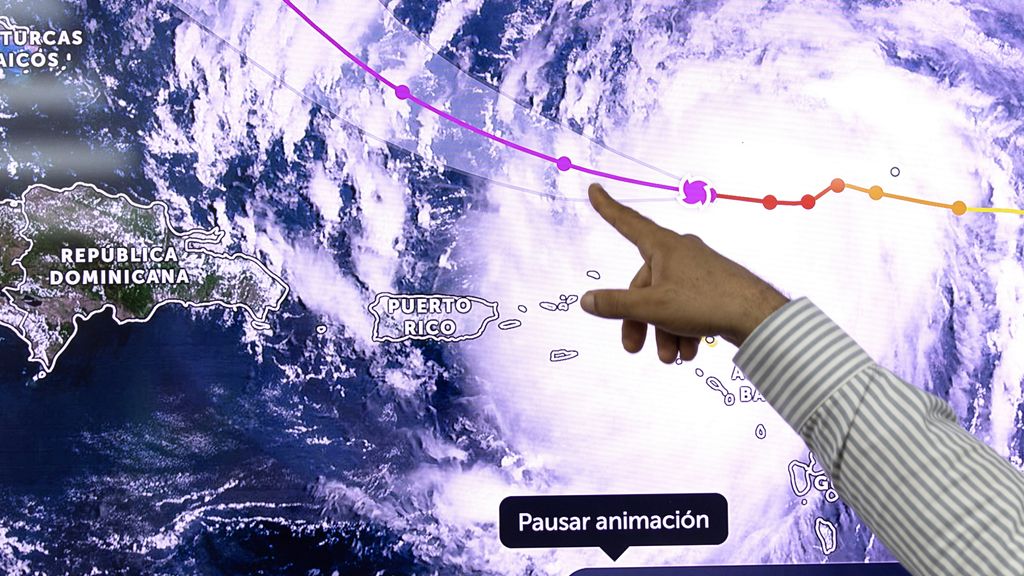
The hurricane is currently moving westward, located roughly 235 kilometers northeast of Puerto Rico. Forecasters indicate the possibility of further intensification. While a direct landfall is not currently predicted, the Virgin Islands, Puerto Rico, the Bahamas, and the Turks and Caicos Islands are bracing for significant impacts, including strong winds and high waves.
The elevated wave activity is anticipated to reach the eastern coastline of the United states early next week.
Key Hurricane Data
| metric | Value |
|---|---|
| current Category | Category 4 |
| Maximum Sustained Winds | 240 km/h (149 mph) |
| Location (as of 3:04 AM EST) | 235 km NE of Puerto Rico |
| Projected Rainfall | Up to 250 mm |
| Wave Height | Up to 2.5 meters (increasing) |
Pro Tip: Stay informed about hurricane updates through official sources like the National Hurricane Center (NHC) and local weather authorities.
What measures are you taking to prepare for potential hurricane impacts in your region? How do you stay informed during severe weather events?
The ongoing situation underscores the importance of preparedness and vigilance in the face of these powerful natural phenomena.
Understanding Hurricane Formation and Impacts
Hurricanes, also known as typhoons or cyclones depending on thier location, are among the most destructive weather events on Earth. They form over warm ocean waters near the equator, fueled by evaporation and atmospheric instability. According to the National oceanic and Atmospheric Governance (NOAA), a hurricane is classified as a tropical cyclone with maximum sustained winds of 74 miles per hour or higher (NOAA). the impacts of hurricanes extend beyond wind damage, encompassing storm surge, flooding, and landslides, posing significant threats to coastal communities and infrastructure. Climate change is increasingly linked to the intensification of hurricanes, with warmer ocean temperatures providing more energy for these storms to develop and strengthen.
Frequently Asked Questions About Hurricanes
- What is the Saffir-Simpson Hurricane Wind Scale? This scale categorizes hurricanes based on their sustained wind speeds, ranging from Category 1 (least intense) to Category 5 (most intense).
- How do hurricanes form? Hurricanes develop over warm ocean waters near the equator, requiring specific atmospheric conditions to organize and intensify.
- What is storm surge? Storm surge is an abnormal rise in sea level during a hurricane, often the most dangerous aspect of the storm.
- How can I prepare for a hurricane? Preparation includes creating an emergency plan, stocking up on supplies, and securing your property.
- Where can I find reliable hurricane data? The National Hurricane Center (NHC) and local weather authorities are the best sources for up-to-date information.
We will continue to monitor this developing situation and provide updates as they become available. Stay safe.
