
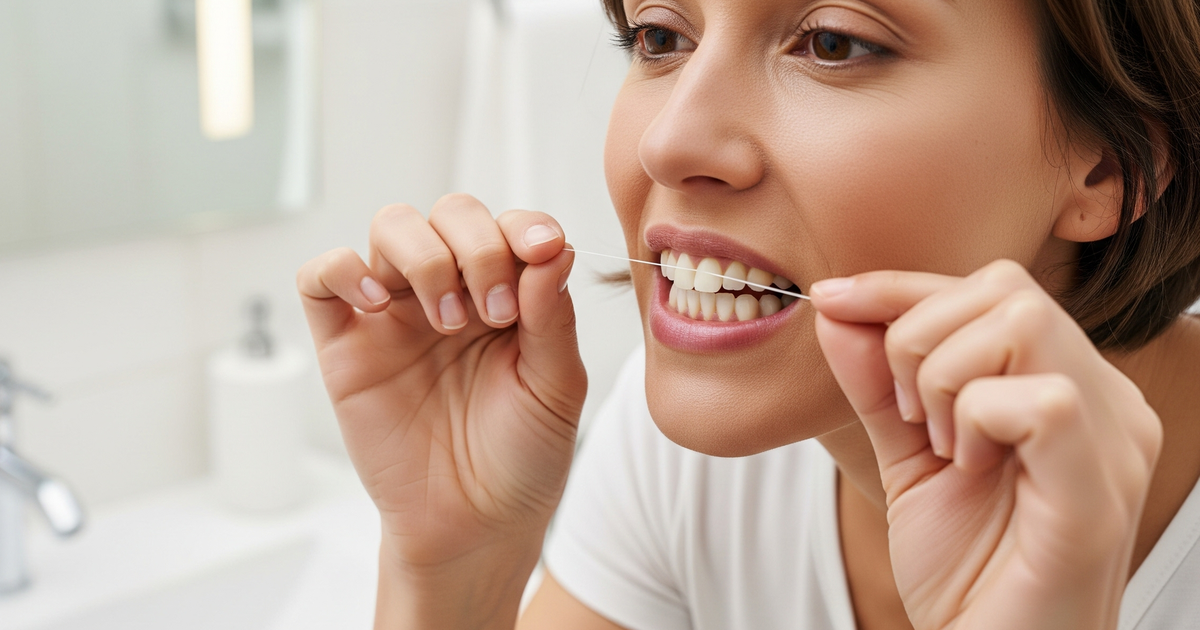
The Surprising Link Between dental Floss and Stroke Prevention
Table of Contents
- The Surprising Link Between dental Floss and Stroke Prevention
WASHINGTON - A simple post-meal habit – dental flossing – could be a powerful, proactive step toward preventing stroke and heart disease, according to physicians. Dr. Mactoohey,a U.S.-based doctor, publicly shared her consistent flossing routine, driven by a desire to safeguard her long-term cognitive and cardiovascular health.
The doctor’s Revelation
“When you see me floss after every meal, it’s as I’m afraid of a heart attack and the prospect of losing my memory as I age,” Dr.Mactoohey revealed in a widely circulated video viewed nearly 70,000 times. This personal anecdote underscores a growing body of research connecting oral health to systemic well-being.
Did You Know? Gum disease affects approximately 47.2% of adults aged 30 or older in the United States,according to the Centers for Disease Control and Prevention (CDC).
Oral Health and Brain Function
The connection between oral hygiene and brain health isn’t merely anecdotal. A 2019 study by the University of Bergen in Norway found DNA evidence suggesting that bacteria originating from gingivitis can migrate to the brain. Researchers discovered these bacteria produce a protein that destroys brain cells, potentially contributing to memory loss.
Heart Disease Risk and Gum Disease
Poor dental hygiene isn’t just a threat to cognitive function; it also elevates the risk of cardiovascular problems. Studies indicate individuals with gum disease face a 28 percent higher risk of experiencing a heart attack. Dr. Saurabh Sethi, a gastroenterologist and hepatologist trained at Harvard and Stanford, emphasized, “Studies demonstrate that people who regularly brush and floss tend to have healthier hearts and a reduced risk of heart disease.”
Flossing and Stroke Reduction
Recent research highlights the specific impact of flossing on stroke risk. Published studies show that flossing at least once a week can reduce the risk of ischemic stroke by 22 percent, stroke caused by a heart attack by 44 percent, and atrial fibrillation by 12 percent.
Pro Tip: Incorporate flossing into your daily routine immediately after meals to maximize its potential health benefits.
Inflammation and Artery health
Dr. Souvik Sen, head of neurology at the University of South Carolina and senior author of a related study, explained that poor oral hygiene is linked to inflammation and the calcification of arteries.he stated that flossing can mitigate stroke risk by reducing oral infections and inflammation while simultaneously promoting overall healthy habits.
Key Findings on Flossing and cardiovascular Health
| Condition | Risk Reduction with Weekly Flossing |
|---|---|
| Ischemic Stroke | 22% |
| Stroke due to Heart Attack | 44% |
| Atrial Fibrillation | 12% |
dr. Sen added that flossing is a “simple, affordable, and accessible” health practice. Further research suggests a connection between oral bacteria and the progress of head and neck cancers.
while acknowledging the idea of flossing having such a profound impact on health may seem “crazy,” Dr.Mactoohey maintains that it makes sense given the interconnectedness of bodily systems.
What steps will you take today to prioritize your oral health? How can you integrate flossing into your daily routine for long-term well-being?
The Growing Understanding of the Oral-Systemic Link
For decades, dental health was often considered separate from overall health. However, mounting evidence demonstrates a strong bidirectional relationship. Chronic inflammation, a key factor in many systemic diseases, is often triggered or exacerbated by oral infections. This understanding is driving a shift toward more integrated healthcare approaches, emphasizing the importance of preventative dental care as a cornerstone of overall wellness. The American Dental Association (ADA) provides comprehensive resources on oral health and its connection to systemic diseases.
frequently Asked Questions about Flossing and Health
- Q: How frequently enough should I floss?
A: Ideally, you should floss after every meal, but at least once daily is recommended. - Q: What type of floss should I use?
A: the best type of floss is the one you’ll use consistently. Options include waxed, unwaxed, flavored, and floss picks. - Q: Can flossing really prevent a stroke?
A: While flossing isn’t a guaranteed prevention method, studies suggest it can significantly reduce your risk. - Q: What are the signs of gum disease?
A: Common signs include red, swollen, or bleeding gums, persistent bad breath, and receding gums. - Q: Is there a connection between oral health and other diseases?
A: Yes, poor oral health has been linked to diabetes, respiratory infections, and even pregnancy complications.
Disclaimer: This article provides general information and should not be considered medical advice. Consult with a healthcare professional for personalized guidance.
We hope this article has shed light on the vital connection between oral health and overall well-being. Share this information with your friends and family to help them prioritize their health! Don’t forget to subscribe to our newsletter for more insightful health news.
