
Chinese Cuisine’s Global Rise: A New Form of Soft Power
Table of Contents
Singapore - A surge in Chinese restaurants, serving authentic regional dishes, is sweeping across the globe, starting with a significant presence in Singapore. this culinary expansion isn’t merely about satisfying appetites; it represents a strategic shift in how China projects its cultural influence, subtly reshaping perceptions and fostering connections worldwide.
A Taste of Home, Far From Home
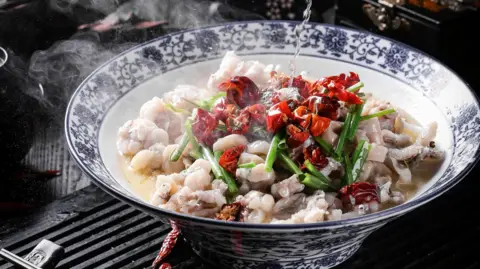
From the fiery flavors of Chongqing‘s grilled fish to the cumin-spiced lamb skewers of xinjiang and the snail-infused rice noodles of Guangxi, a diverse array of Chinese regional cuisines are now readily available on Liang Seah Street in Singapore. This accessibility reflects a broader trend: Chinese food is experiencing a renaissance outside of China, fueled by intense competition and success within the country itself.
More than three-quarters of Singapore’s population is ethnically chinese, making it a natural hub for this culinary wave. This trend aligns with a perceived rise in chinese soft power, evidenced by the global popularity of items like Labubu dolls and advancements in robotics and urban advancement.
While Beijing doesn’t explicitly prioritize cuisine in its broader cultural strategy to become a “powerhouse in culture” by 2035, the impact of its food is undeniable. A sumptuous meal, it seems, may be China’s most effective, and often underestimated, diplomatic tool.
Singapore: A Launchpad for Global Expansion
Luckin Coffee, often dubbed China’s answer to Starbucks, debuted internationally in Singapore in March 2023. Within two years, the chain has established over 60 locations, and recently opened two stores in New York City. Currently, five major Chinese brands operate 124 outlets in Singapore, doubling their presence from 2023. This expansion is visually prominent, with large advertisements featuring spicy dishes and Chinese idioms adorning malls, buses, and subway stations.
These establishments range from established chains to independent restaurants, challenging conventional stereotypes and offering a more authentic culinary experience. Thomas DuBois, a historian of modern China, notes that success in Singapore serves as a “proof of concept” for further global expansion, reassuring potential investors.
singapore’s diverse population and status as a travel hub contribute to its appeal as a testing ground for new concepts. As Mr. Dubois points out,”People go to Singapore to eat,” creating a receptive audience for diverse culinary offerings.
Did You Know? Mao Zedong, the former leader of China, was a known enthusiast of spicy Hunan cuisine, famously believing that “You can’t be a revolutionary if you don’t eat chillies.”
Beyond Dumplings and Chop Suey: A Return to Authenticity
The current wave of Chinese restaurants aims to showcase the
