
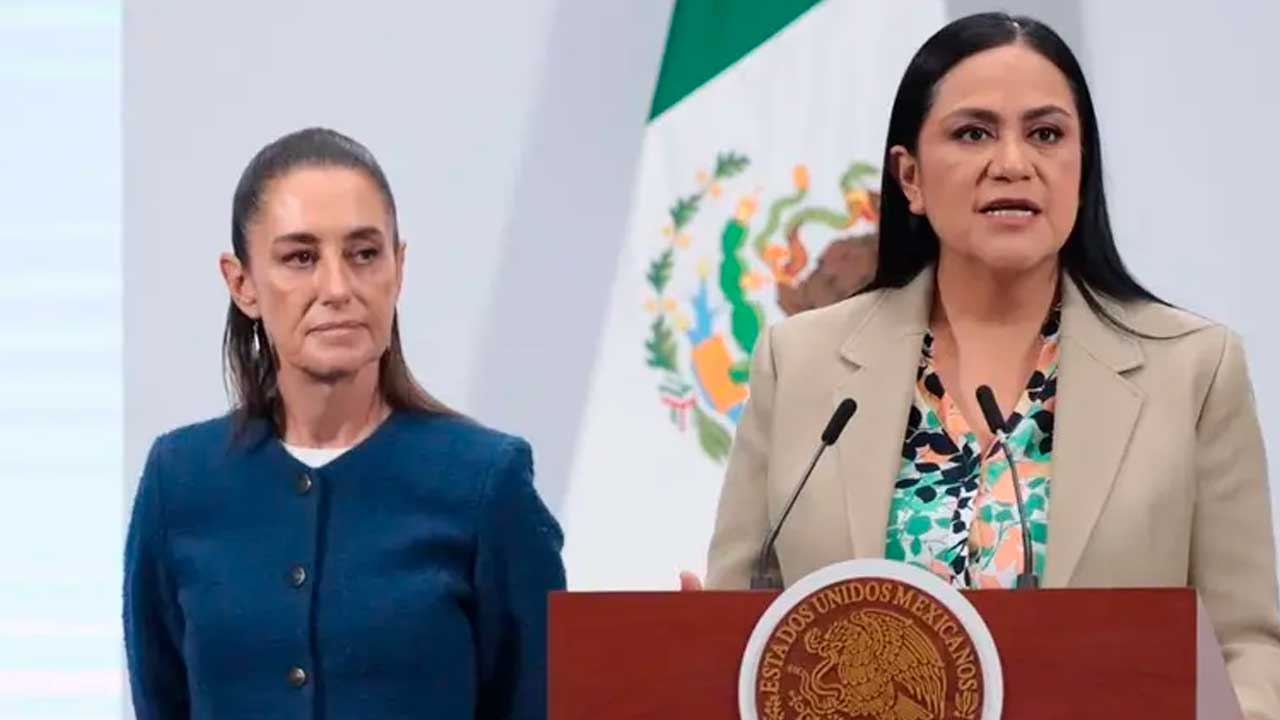
Welfare Ministry Warns of Fraudulent Schemes Targeting Benefit Recipients
Table of Contents
Mexico City – The Ministry of Welfare is urgently alerting citizens to a surge in fraudulent schemes promising financial assistance, including bonds, loans, and credits, disseminated through WhatsApp, social media platforms, and dubious websites. These scams impersonate official government channels to deceive vulnerable individuals.
The Rising Threat of Welfare Scams
The Ministry of Welfare has explicitly stated that it does not offer any form of credit, special bonuses, or additional financial aid outside of it’s established, official programs. These programs are a constitutional right, and as such, are delivered through specific, secure channels.
Did you Know? The Ministry of Welfare will never ask for personal information or money to process benefits.
How Legitimate Support is Delivered
Genuine welfare programs and pensions are characterized by several key features:
- They require no intermediaries.
- There are no associated costs.
- Benefits are directly deposited via the Welfare Bank card.
Any communication promising expedited processing, requesting money, or soliciting personal data through WhatsApp forms should be immediately recognized as fraudulent. Ariadna Montiel Reyes, head of the Ministry of Welfare, emphasized that the agency does not utilize WhatsApp to offer additional benefits or manage “bonds for women” or loans.
Protecting Yourself from Fraud
The Ministry of Welfare provides several official channels for information and assistance:
| Resource | Details |
|---|---|
| Website | gob.mx/bienestance |
| Official Social Networks | @Bienestarmx |
| Welfare Line | 800 639 42 64 |
If you receive a suspicious message, do not share or forward the information. Avoid entering personal data into unverified forms.Report the account or number from which the message originated.
Pro Tip: Regularly check the official Ministry of Welfare website for updates on legitimate programs and eligibility requirements.
Do you ever feel overwhelmed by the number of scams targeting vulnerable populations? What additional measures could be taken to protect citizens from these fraudulent activities?
The increasing sophistication of these scams highlights the need for heightened public awareness and vigilance. According to a 2023 report by the Federal Trade Commission, imposter scams remain a leading cause of financial loss for consumers, with social media platforms increasingly exploited by fraudsters [[2]]. Protecting personal information and verifying the legitimacy of any financial offer are crucial steps in preventing victimization.
The prevalence of social engineering attacks,like those targeting welfare recipients,is a growing global concern. These schemes exploit trust and often prey on individuals facing financial hardship. Ongoing education and proactive security measures are essential to mitigate these risks. The Ministry of Welfare’s response reflects a broader trend among government agencies to combat online fraud and protect citizens from financial exploitation.
Frequently Asked Questions About Welfare Scams
- What should I do if I receive a suspicious message about welfare benefits? Do not respond,share,or click on any links. Report the message to the authorities.
- Does the Ministry of Welfare contact citizens via whatsapp? No, the Ministry of Welfare does not use WhatsApp to offer benefits or request personal information.
- Are there any fees associated with receiving welfare benefits? no, legitimate welfare programs are free of charge.
- How can I verify the legitimacy of a welfare program? Consult the official Ministry of Welfare website or call their helpline.
- What should I do if I have already shared my personal information with a scammer? Immediately contact your bank and report the incident to the authorities.
We encourage you to share this vital information with your friends, family, and community. Staying informed and vigilant is the best defense against these deceptive practices.Have you or someone you know been targeted by a similar scam? Share your experience in the comments below.
