
Lawmakers Explore Economic Opportunities at Little League World Series
Table of Contents
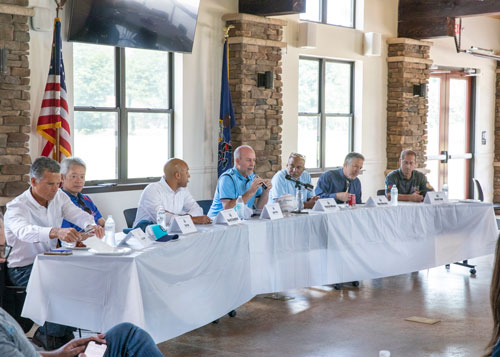
SOUTH WILLIAMSPORT, PA – august 15, 2025 – A bipartisan group of Pennsylvania and U.S. lawmakers gathered Thursday at the Little League World Series (LLWS) for a roundtable discussion focused on the tournament’s considerable economic impact and potential avenues for regional growth. The event, hosted by Representative Jamie Flick, brought together legislators, international representatives, and local leaders.
Economic Impact of the Little League World Series
The roundtable,held at the South Williamsport borough building,highlighted the significant financial benefits the LLWS brings to North Central Pennsylvania. Representative Flick estimated the tournament generates approximately $40 million in economic activity and attracts tens of thousands of visitors annually.
Ten members of the house Tourism, Recreation and Economic Development Committee attended, including Chairwoman mary Jo Daley. Participants included Patrick Wilson, President and CEO of Little League International; Lycoming County Commissioner Mark Mussina; Williamsport Mayor derek Slaughter; Jason Fink, President and CEO of the Williamsport/Lycoming chamber of commerce; and Taiwanese Ambassador Tom Chih-Chiang Lee, along with U.S.Congressman Dan Meuser.
Many attendees expressed that attending the LLWS had been a long-held professional goal. “This was a fantastic opportunity to continue building relationships that benefit tourism in the north Central Pennsylvania region,” flick stated. “Every time we bring a sizable delegation to the region, we increase opportunity.”
Did You Know? the Little League World Series has been held in Williamsport, Pennsylvania, since 1947, becoming a cornerstone of the region’s identity and economy.
Forging International Partnerships
Discussions extended beyond tourism, focusing on potential international collaborations. Flick emphasized the opportunity to strengthen ties with Taiwan, particularly in the energy sector. Currently, Taiwan imports roughly 10% of its liquefied natural gas (LNG) from the United States, primarily from Alaska. flick believes Pennsylvania and Lycoming County are well-positioned to significantly increase that share.
“We are growing a relationship with Taiwan,” Flick explained. “We have the potential to significantly increase that share,with Pennsylvania and lycoming County,in particular,well positioned to help meet Taiwan’s growing energy needs.”
Collaboration and Community Engagement
The event’s success was attributed to the collaborative efforts of the South Williamsport Borough, Little League International, River Valley Transit Authority, and Representative Flick’s office.Flick, a lifelong supporter of Little League Baseball-having participated as a player, coach, and volunteer-underscored the role of the sport in fostering relationships and productive dialog.
“Baseball contributes to the economy and culture, and in this case, served as the perfect platform for expanded discussion and exposure,” Flick added. He highlighted the region’s strengths, including its outdoor recreation opportunities, past significance, natural resources, and thriving small business community.
Pro Tip: Leveraging major events like the LLWS can be a strategic approach for regional economic development, attracting investment and fostering collaboration.
Key Participants
| Name | Title/Affiliation |
|---|---|
| Jamie Flick | Pennsylvania State Representative, 83rd District |
| Patrick Wilson | President & CEO, Little League International |
| Tom Chih-Chiang Lee | Taiwanese Ambassador |
| dan Meuser | U.S. Congressman, PA-09 |
| Mary Jo Daley | Chairwoman, House tourism, Recreation and Economic Development Committee |
What other strategies could Pennsylvania employ to capitalize on the LLWS’s economic impact? How can international partnerships like the one with Taiwan be further developed to benefit the region?
The Enduring Legacy of the Little League World Series
The Little League World Series represents more than just a sporting event; it’s a cultural phenomenon with deep roots in American tradition. Established in 1947 by Carl Stotz, the LLWS has grown from a local initiative to a globally recognized tournament, showcasing the talent and sportsmanship of young athletes from around the world. The economic impact of such events extends beyond immediate revenue, fostering community pride and long-term investment in local infrastructure.According to a study by Temple university’s Sport Industry Research Center, major sporting events can generate a multiplier effect, boosting local economies for years to come [1].
Frequently Asked questions
- What is the economic impact of the Little League World Series? The LLWS is estimated to generate around $40 million in economic activity for North Central Pennsylvania annually.
- Who attended the roundtable discussion? Lawmakers from the Pennsylvania House, Senate, and U.S. Congress, along with representatives from Little League International and the Taiwanese government.
- What potential partnerships were discussed? Discussions focused on increasing LNG exports from the U.S.to Taiwan, with Pennsylvania positioned as a key supplier.
- What role does Representative Flick play in the LLWS? Representative Flick’s district hosts the LLWS, and he has been a long-time supporter of the event.
- Why is the Little league World Series importent to Williamsport, PA? The LLWS is a cornerstone of the region’s identity, attracting visitors and boosting the local economy.
We hope you found this article insightful. Share it with your network and join the conversation! Subscribe to our newsletter for more breaking news and in-depth analysis.
