
Muhammadiyah EMT Advances Towards WHO Classification in Landmark Disaster Simulation
Table of Contents
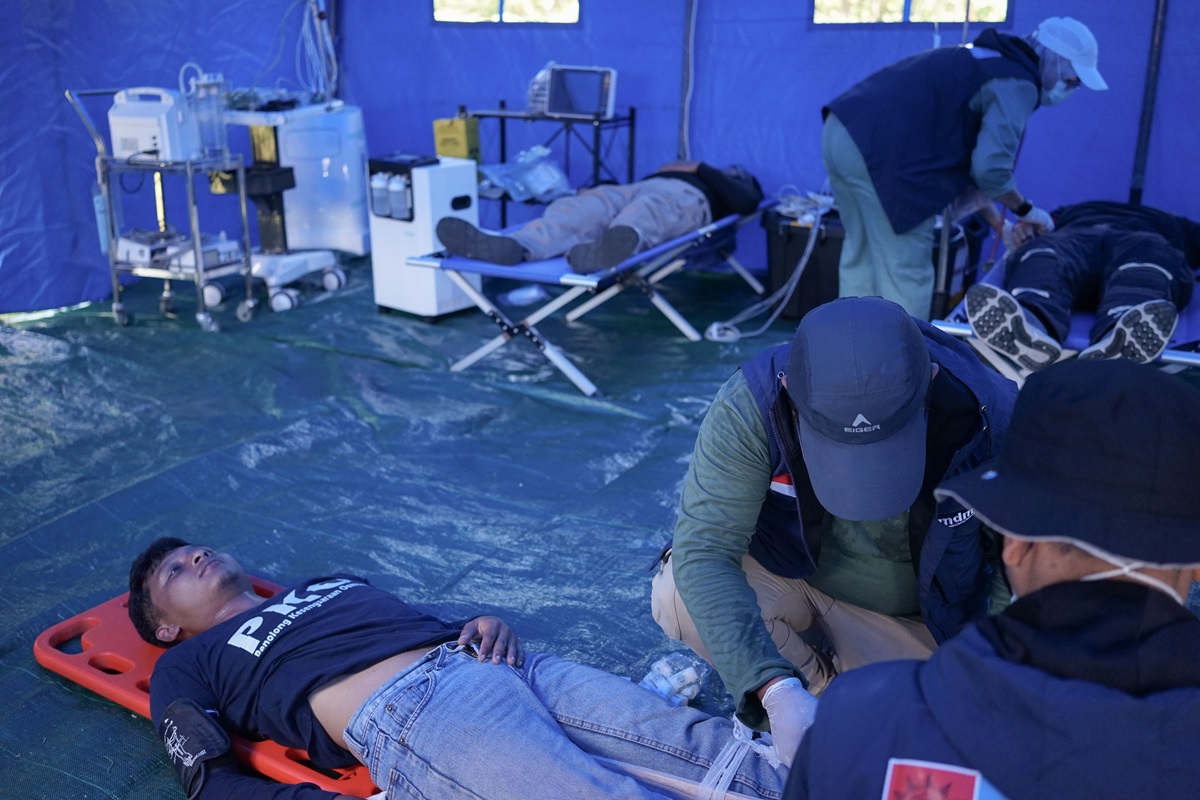
Yogyakarta,Indonesia – A large-scale disaster simulation in Kulon Progo,Yogyakarta,has brought the Muhammadiyah Emergency Medical Team (EMT) one step closer to achieving World Health Organization (WHO) classification,signaling a notable boost to Indonesia’s emergency response capabilities. The exercise, held July 9-10, 2025, rigorously tested the team’s readiness to meet international standards for quality, accountability, and self-sufficiency in disaster situations.
The simulation transformed an open field into a fully operational field hospital, complete with triage, trauma care, and mental health support. This intensive training mirrors the high-pressure environment of real-world disaster response, preparing the EMT to effectively handle a range of emergency scenarios.
Supported by the Robert Koch Institute (RKI), International Search and Rescue (ISAR) Germany, the WHO Country Office in Indonesia, and the WHO Regional Office for the Western Pacific (WPRO), the two-day event evaluated every facet of the muhammadiyah EMT’s operations. The initiative is funded by the Australian Department of Foreign Affairs and Trade (DFAT) as part of a broader project aimed at strengthening EMT readiness across the Indo-Pacific region.
Indonesia’s active participation in regional and global EMT networks underscores its commitment to providing timely and effective emergency health services. This advancement reinforces the nation’s role in ensuring coordinated responses to future crises, benefiting communities both domestically and internationally.
Understanding the Global EMT Initiative
The world Health Organization’s EMT initiative was established to address the critical need for standardized, high-quality emergency medical responses globally. Prior to this initiative, the deployment of medical teams in disasters often lacked coordination and consistency, hindering effective aid delivery. The WHO classification system provides a framework for evaluating and recognizing EMTs that meet rigorous international standards.
This classification is not merely a symbolic achievement; it signifies that the EMT possesses the necessary expertise, equipment, and logistical capabilities to operate effectively in challenging environments. It also ensures accountability and clarity in their operations, building trust with both affected communities and international partners.
Indonesia has been actively strengthening its EMT capacity in recent years, recognizing the country’s vulnerability to natural disasters. This commitment aligns with broader regional efforts within ASEAN to enhance disaster preparedness and response capabilities. the ongoing collaboration with international organizations like the WHO and DFAT is crucial in achieving these goals.
Frequently Asked Questions about the Muhammadiyah EMT and WHO Classification
- What is the importance of the Muhammadiyah EMT seeking WHO classification?
- Achieving WHO classification demonstrates that the Muhammadiyah EMT meets internationally recognized standards for quality, accountability, and self-sufficiency in emergency medical response, enhancing its credibility and effectiveness.
- How does the WHO EMT initiative improve disaster response globally?
- The WHO EMT initiative establishes a standardized system for evaluating and deploying medical teams, ensuring a more coordinated and effective response to disasters worldwide.
- What role does the Australian Department of Foreign affairs and Trade (DFAT) play in supporting EMT readiness in Indonesia?
- DFAT provides funding for projects aimed at strengthening EMT capacity in the Indo-Pacific region, including the initiative supporting the Muhammadiyah EMT’s classification efforts.
- What types of emergencies is the Muhammadiyah EMT prepared to respond to?
- The muhammadiyah EMT is trained to handle a wide range of emergencies, including natural disasters, trauma cases, and public health crises, providing both medical care and mental health support.
- How does Indonesia’s participation in the ASEAN EMT network contribute to regional disaster preparedness?
- Indonesia’s active role in the ASEAN EMT network fosters collaboration and knowledge sharing, strengthening the region’s collective ability to respond to disasters effectively.
- What specific aspects of the Muhammadiyah EMT’s operations were tested during the recent simulation?
- The simulation assessed all aspects of the EMT’s operations, including triage, trauma care, mental health support, logistics, and coordination with other organizations.
Disclaimer: This article reports on emergency medical training and international health initiatives. It does not provide medical advice. For health-related concerns, please consult a qualified healthcare professional.
Stay informed! Share this article with your network to raise awareness about Indonesia’s advancements in disaster preparedness. Leave a comment below with your thoughts on the importance of international collaboration in emergency response
