
India-China Ties: Tourism and Trade Rebound Amidst Lingering Tensions
From Galwan Valley Clashes to Thawed Relations, Businesses Seek Normalcy
After a significant diplomatic chill following border skirmishes, Chinese tourism and investment are gradually returning to India, though significant hurdles remain.
Tourism’s Slow Return
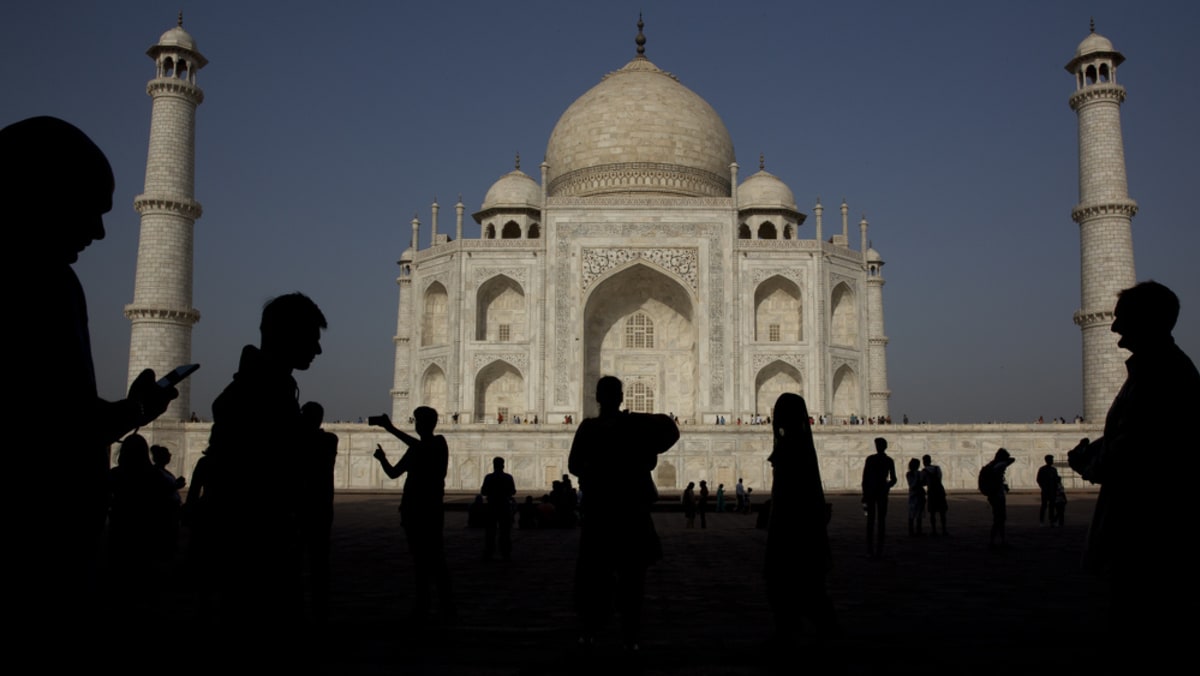
Era Tours and Travels, which once relied on Chinese visitors for nearly half its revenue in 2019, saw its business severely impacted by the 2020 Galwan Valley clashes. This incident, which resulted in casualties on both sides along the 3,800km shared border, caused relations between the world’s two most populous nations to hit a decades-low. The COVID-19 pandemic further exacerbated the slowdown in diplomatic and economic ties.
However, relations have shown signs of improvement. China recommenced visa services for Indian citizens in 2022, and direct air services were reinstated in March of this year, signalling a potential resurgence for the tourism sector.
Economic Re-engagement Pains
Beyond tourism, Indian industry groups are advocating for streamlined work visa approvals to facilitate the hiring of skilled Chinese professionals, such as technicians. There’s also a push for more accommodating investment regulations for Chinese companies.
Naresh Gupta, president of the Indo-China Chamber of Commerce, emphasized the need for a differentiated approach to easing restrictions. “Sensitive sectors like defence are where the government can be very cautious, but I don’t think the government should take the same approach for all industries,”
he told CNA.
Despite an approximate 56% growth in India-China trade between 2019 and 2025, India’s trade deficit with China has nearly doubled. Gupta believes that increased Chinese investment could help rebalance this economic dynamic. He proposed a simplified “one-window system” for investments, aiming for approvals within 30 days to attract foreign capital.
Currently, India maintains restrictions on foreign direct investment from China, indicating that while ties are improving, full normalization is still distant. A recent report highlights that India’s trade deficit with China reached $83.4 billion in 2023, underscoring the persistent economic imbalance. (Source: Bloomberg, May 2024)
Border Stability is Key
Activities along the de-facto India-China border remain a point of concern, with continued military buildup despite some troop withdrawals from contested areas. Experts suggest that de-escalation of border tensions is fundamental to fostering improved bilateral relations.
Manoj Joshi, a distinguished fellow at the Observer Research Foundation, commented on the necessity of addressing border issues directly. “The border is important, so we need a specific agreement (between India and China), and not just dealing with tourism,”
he stated.
