
EU Airports Poised to End Liquid Hand Luggage Limits
New Scanners Promise Faster, More Convenient Travel
The long-standing restriction on liquids in hand luggage at European Union airports could soon be a relic of the past, thanks to newly approved advanced scanning technology. This development promises to significantly enhance passenger convenience and streamline security procedures.
Revolutionary Scanners Get Green Light
The EU has officially endorsed sophisticated scanners employing medical-grade CT imaging. This technology provides high-resolution 3D views, allowing security personnel to scrutinize bag contents layer by layer without causing delays. Crucially, these scanners can detect both solid and liquid explosives, meeting enhanced security demands.
An EU Commission spokesperson indicated that airports are now permitted to lift the 100-milliliter liquid limit. However, the decision on implementation timing rests with individual airport authorities.
Convenience on the Horizon, With Caveats
The German Airports Association (ADV) reported that travelers at select German airports might soon be allowed to carry up to two liters of liquids in their carry-on baggage. ADV chief executive Ralph Beisel hailed the technology as “safe and reliable,” calling it a “major step toward greater convenience and faster procedures at airports.”
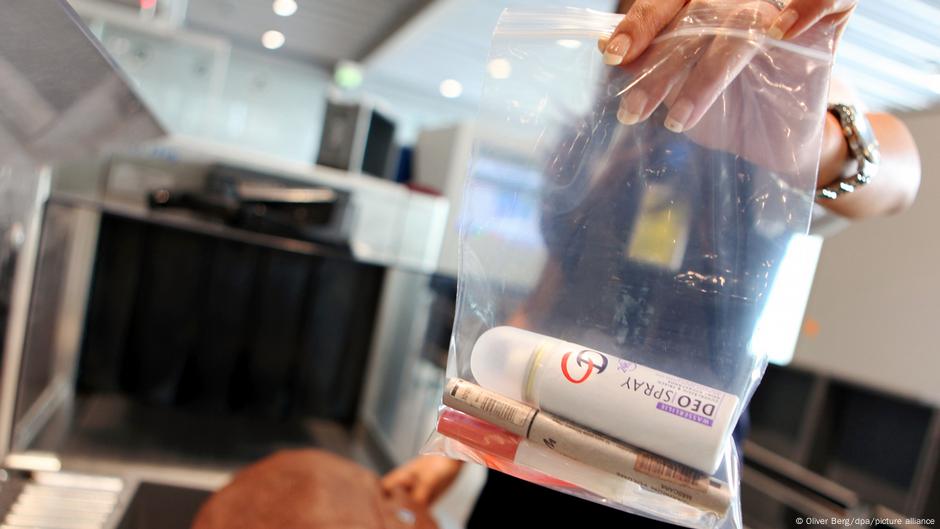
Despite this progress, widespread changes are not immediate. Many airports are still awaiting the necessary equipment. Additionally, a combination of older and newer screening systems, inconsistent software, and the inability to guarantee which scanner a passenger will use means most travelers must continue adhering to current rules, including the one-liter, resealable plastic bag requirement.
Frankfurt and Munich Lead the Way, Cautiously
Germany’s busiest airport, Frankfurt, has equipped 40 of its nearly 190 screening lanes with the new scanners and has more on order. However, no policy changes are planned there yet due to uncertainties regarding scanner allocation for passengers.
Munich, Germany’s second-largest airport, also has a substantial number of the new scanners. Nevertheless, government officials stated that essential software upgrades are being postponed to avoid disrupting the busy summer travel season. Consequently, liquid restrictions will remain in place, particularly for screening lanes still operating with conventional technology.
Across the EU, approximately 700 CT-based scanners are in operation or being installed in 21 member states. The original liquid restriction was implemented in 2006 following a foiled terrorist plot involving liquid explosives.
While CT scanners have been available for years and sometimes permitted larger liquid allowances, renewed reliability concerns last year prompted the EU to mandate additional testing before wider adoption.
The shift away from strict liquid limits aligns with broader efforts to enhance passenger experience. For instance, the Transportation Security Administration (TSA) in the United States has also been testing and implementing new CT scanner technology, with similar goals of improving efficiency and convenience at security checkpoints.
