
Geneva Exhibition Shelves 1930s Ideologies
Modern Architecture Skims Over Troubled Past
A new exhibition at Geneva’s Museum of Art and History immerses visitors in 1930s interior architecture, but deliberately sidesteps the era’s complex ideological undercurrents.
A Decade Recreated, Ideology Ignored
The museum showcases distinct architectural styles from Zurich and Geneva, presenting an immersive experience of the period. However, the exhibition, titled “And yet everything had started so well,” opts not to engage with the controversies tied to the era’s philosophies.
The exhibition features meticulously recreated interiors, including a villa and an authentic Jean Prouvé shed, designed to transport visitors back in time. The immersive staging aims to capture the optimism and forward-looking spirit of the 1930s.
Architectural Dialogues and Omissions
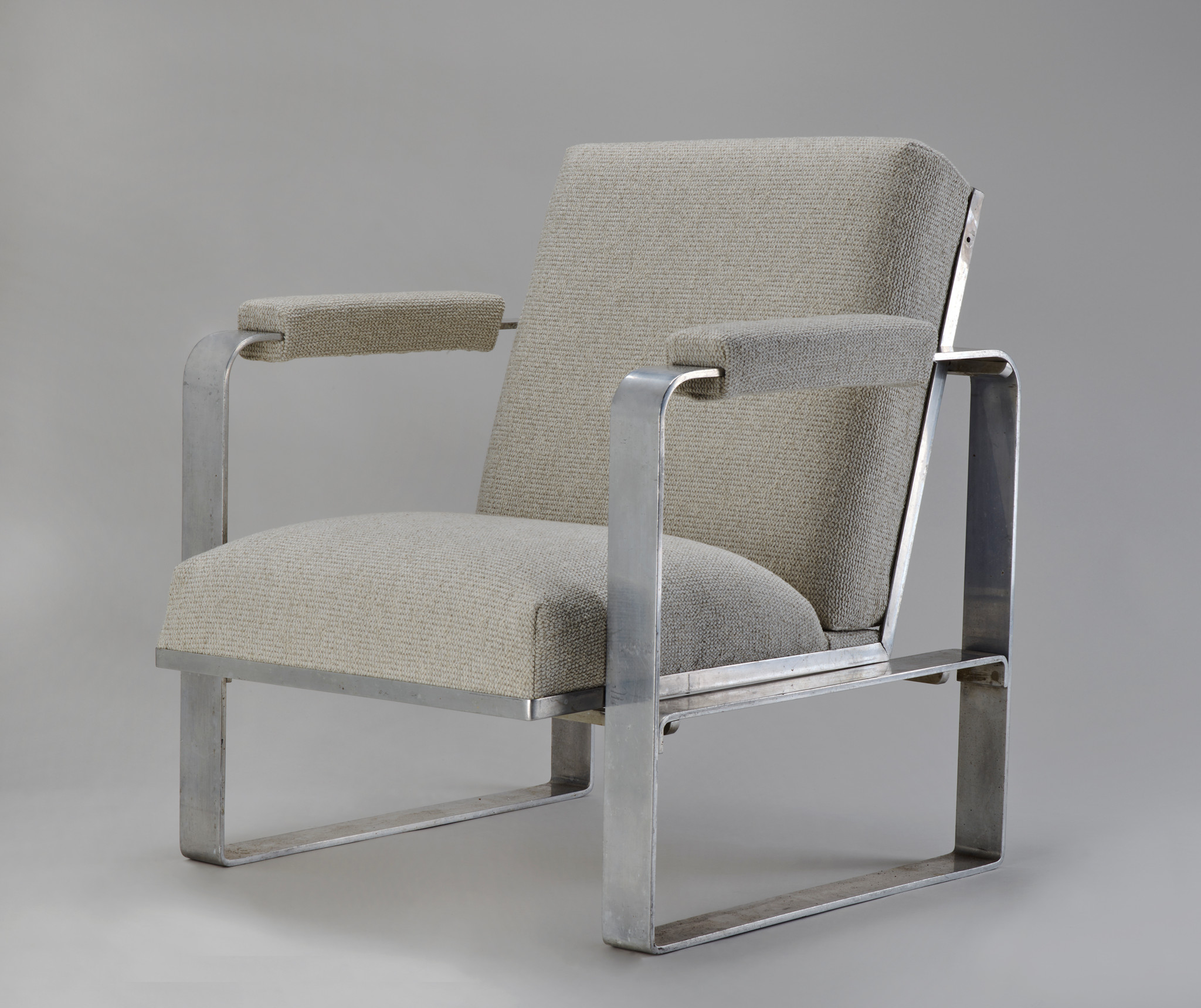
The display contrasts the functional, minimalist approach of Zurich’s Bauhaus-inspired designs with Geneva’s slightly more ornamental and comfort-focused interiors. This “revolutionary face-to-face,” as described by Professor Emeritus Arthur Rüegg, highlights differing tastes and cultural influences of the time.
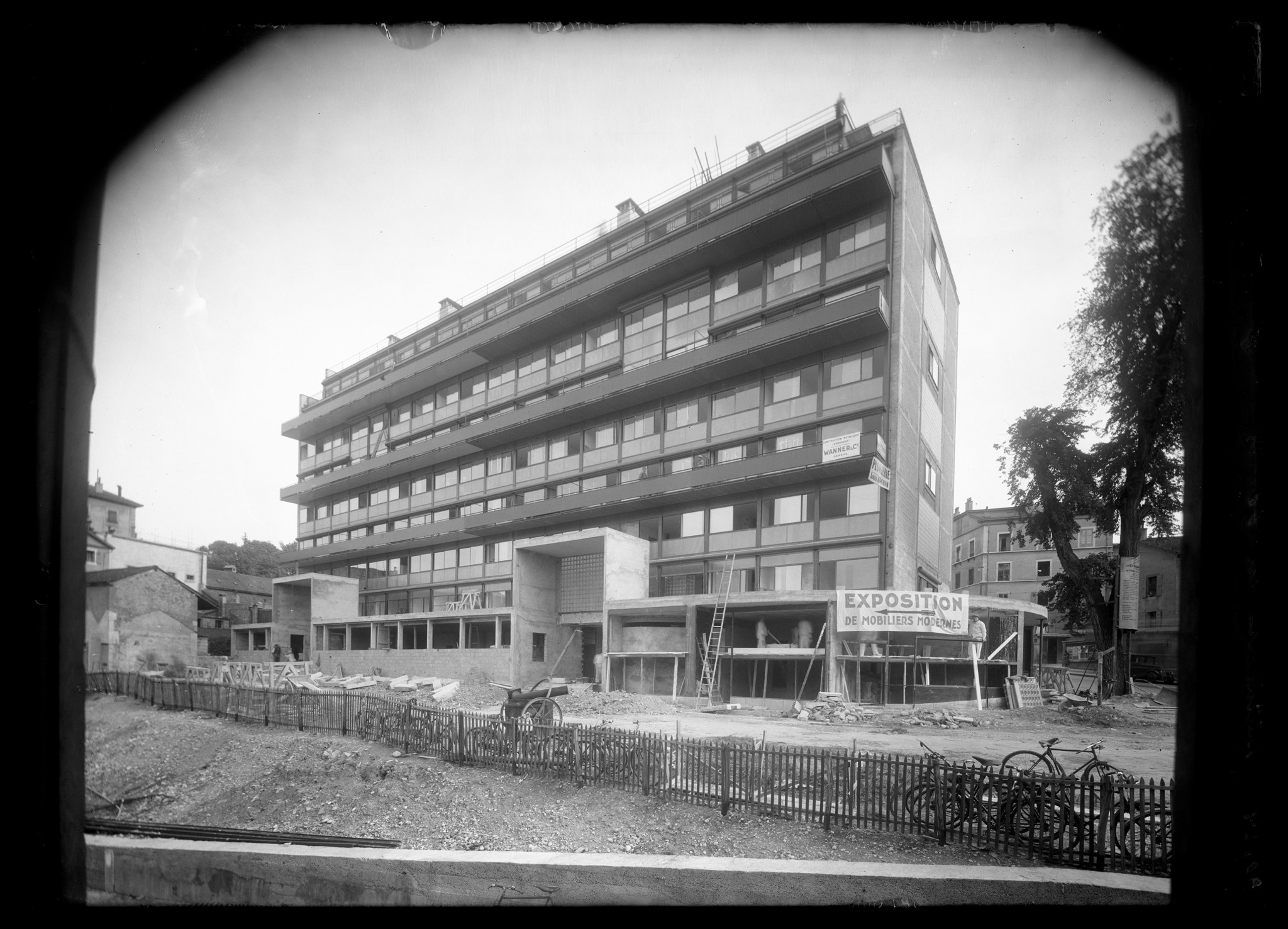
Notable figures like Max Bill and Le Corbusier are central to the exhibition. Le Corbusier’s “La Clarté” building, a UNESCO World Heritage site, is presented alongside the architectural contributions of his cousin, Pierre Jeanneret.
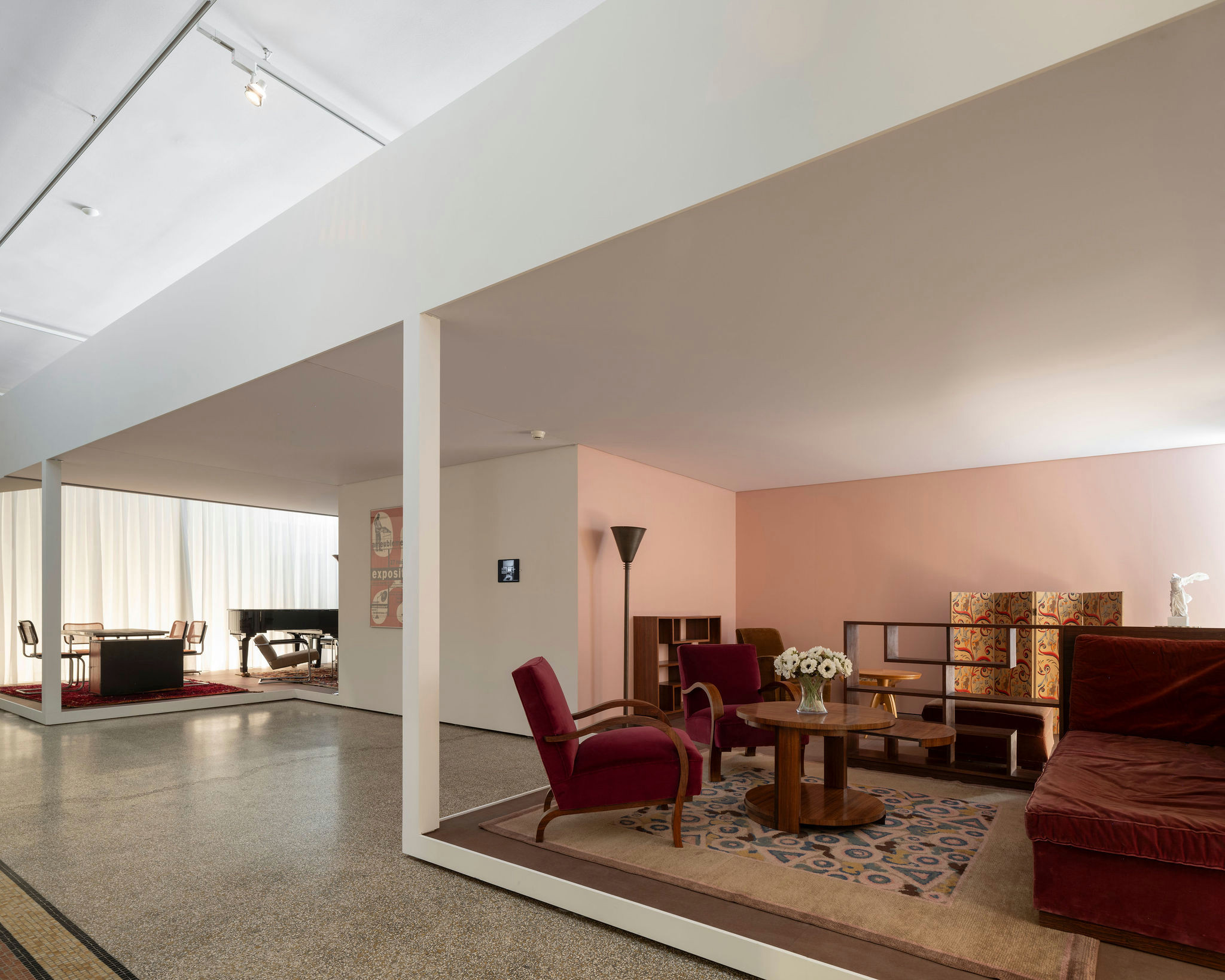
Despite the known debates surrounding Le Corbusier’s alleged antisemitism and connections to totalitarian regimes, the exhibition’s director, Marc-Olivier Wahler, confirmed the deliberate choice to focus solely on the formal and experiential aspects of the architecture.
“This exhibition is not centered on Le Corbusier and its activities; it sticks to a formal level. If a critical story would have had its place, we have made the choice to stay on the physical experience of an era and its architectural developments in Zurich and Geneva.”
—Marc-Olivier Wahler, Exhibition Director
The exhibition includes stark juxtapositions, such as air defense machines, intended to evoke the transition into conflict. However, without explicit context, these elements can leave visitors confused about the focus on the 1930s.
For instance, Germany saw a 7.2% increase in military spending between 2022 and 2023, reaching $156 billion USD, as reported by the Stockholm International Peace Research Institute (SIPRI, 2024), underscoring the geopolitical shifts that influenced design and societal outlooks.
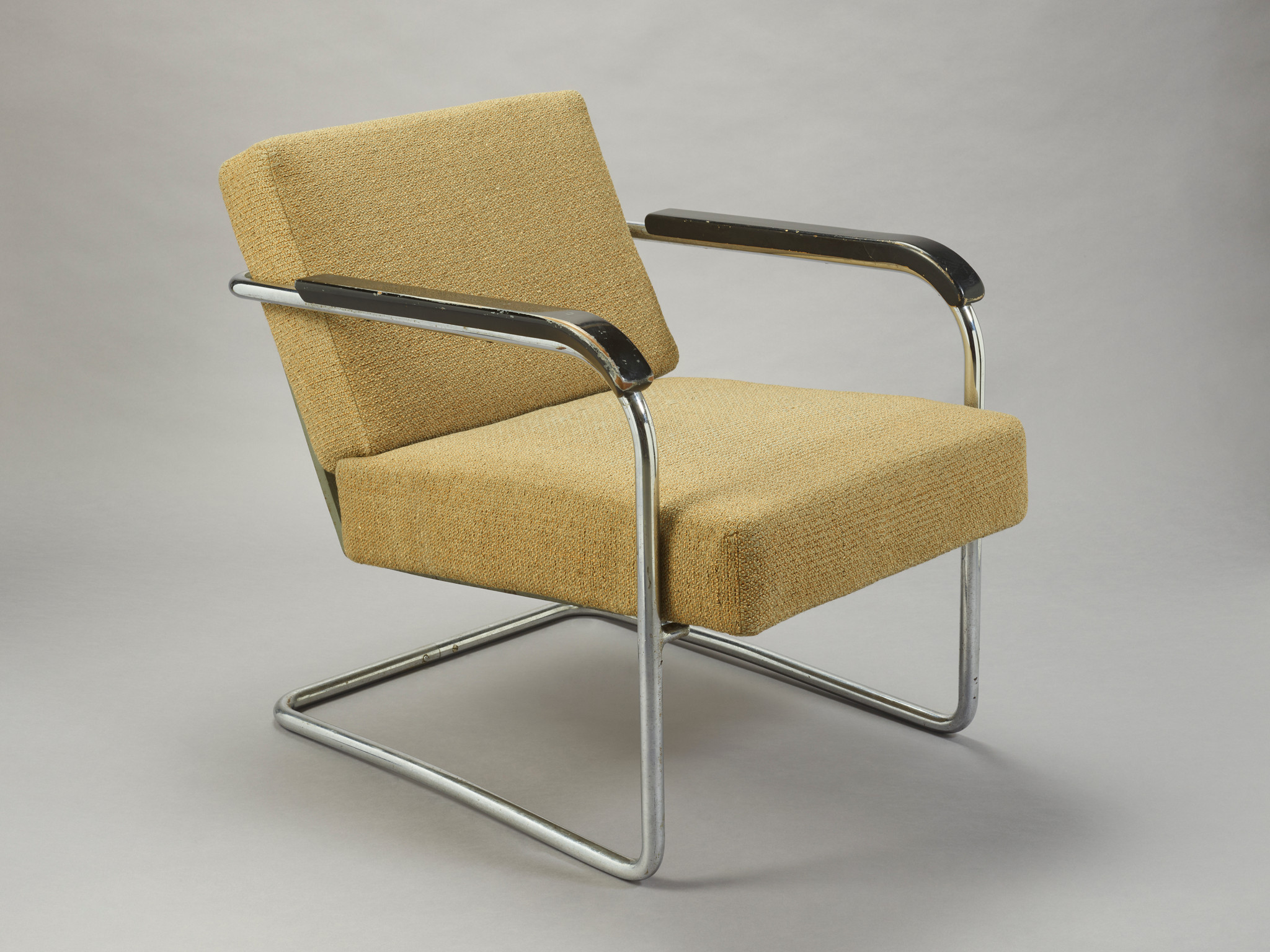
The exhibition’s presentation of graphic design and artistic movements further delineates the stylistic differences, showcasing geometric precision in one style and a more expressive freedom in another, distinguishing between Zurich’s industrial focus and Geneva’s more eclectic approach.
Florence Millioud, an art historian and cultural journalist, contributes her expertise to the exhibition’s catalog and artist monographs.
