
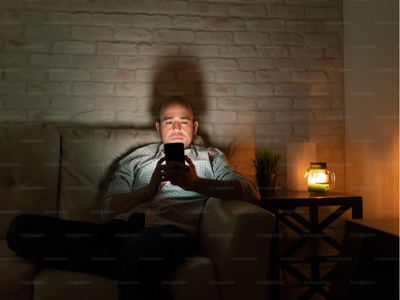
Screens’ Blue Light Secretly Ages Your Skin
Protect Your Complexion From Digital Exposure
Your phone and laptop screens emit a distinct glow, and it’s not a healthy one for your face. This High-Energy Visible (HEV) light, a component of the sun’s rays, penetrates deeper into your skin than UV radiation.
The Science Behind the Glow
According to IOL, artificial sources have drastically amplified our HEV light exposure. Unlike UV rays that primarily affect the skin’s surface, HEV light can impact the deeper collagen and elastin layers. This interaction can trigger oxidative stress, inflammation, and accelerate the aging process.
Blue Light’s Skin Concerns
- Premature Skin Ageing
- Hyperpigmentation
- Inflammation & Barrier Disruption
The damaging effects of blue light don’t manifest as sunburn, but over time, it can hasten aging, increase skin discoloration, and compromise your skin’s natural defenses.
Simple Strategies for Screen-Savvy Skin
Giving up screens is an unrealistic expectation in our modern, digital-first world. Fortunately, several accessible strategies can help mitigate the negative effects of blue light exposure.
Combatting Digital Aging
-
Take Frequent Breaks
Implement the 20-20-20 rule: every 20 minutes, shift your gaze to an object at least 20 feet away for 20 seconds. This offers a brief respite for both your eyes and skin, as noted by sources like dermatologyseattle.com and Allure.
-
Enable Blue Light Filters
Utilize your device’s built-in “Night Mode” or blue light settings. These features soften the screen’s glow and reduce emission intensity, particularly beneficial during evening hours.
-
Incorporate Antioxidant Skincare
Incorporate serums rich in Vitamin C, Vitamin E, and ferulic acid into your routine. These ingredients help combat the oxidative stress caused by blue light.
-
Use Tinted Mineral Sunscreen
When indoors, apply mineral sunscreens containing zinc oxide or titanium dioxide. Tints with iron oxides can enhance their ability to block visible light, offering an extra layer of protection.
-
Adjust Your Lighting
At home, opt for warm LED bulbs that emit lower levels of blue light. This simple switch can create a more skin-friendly environment.
Taking proactive steps against blue light exposure ensures your skin remains healthy and radiant, even in our screen-saturated lives.
