
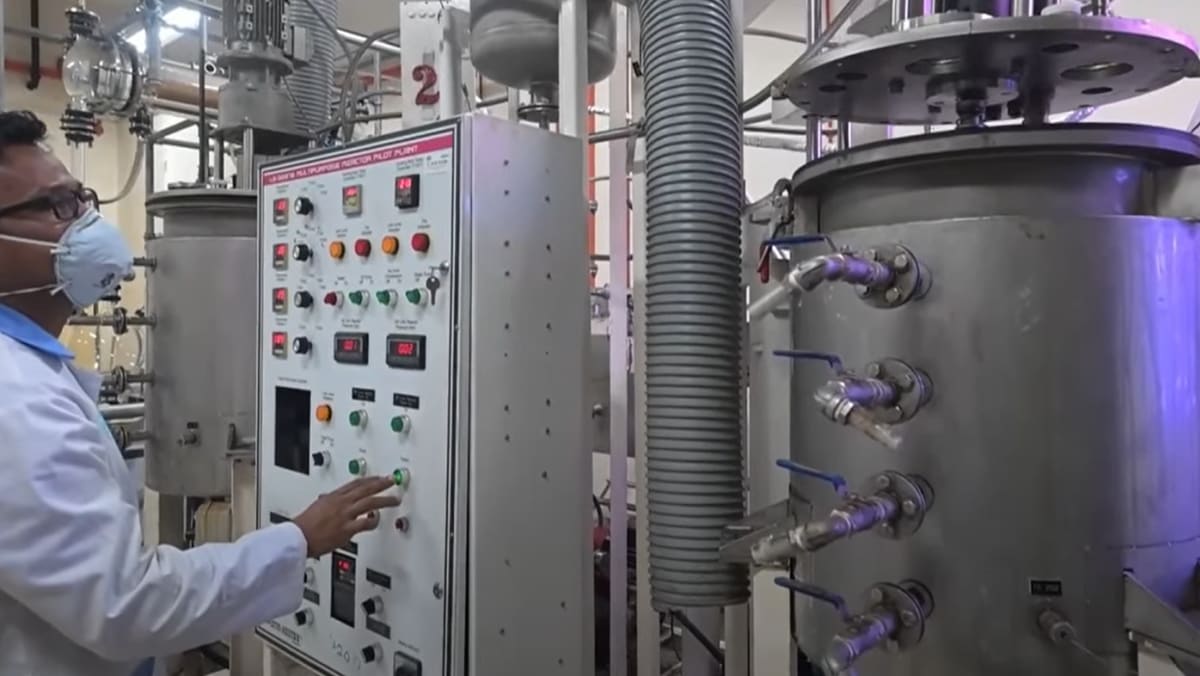
Malaysia Eyes Nuclear Power to Fuel Net-Zero Ambitions
Renewable Energy Advocates Push for Faster Solar and Wind Adoption
Malaysia is considering nuclear power as a viable option to meet its ambitious net-zero emission targets by 2050, sparking debate among environmentalists.
The Challenge of Intermittency
Officials highlight the limitations of renewable sources like solar and wind, stating they cannot reliably provide consistent power. Minister of Science, Technology and Innovation, **Chang Lih Kang**, emphasized this point.
“We cannot use solar and wind as base load because they are intermittent. Like it or not, we have to see nuclear power as an option, otherwise we cannot fulfil the net zero emission (target).”
—Chang Lih Kang, Minister of Science, Technology and Innovation
The growing energy demand, fueled by increasing investment and high-consumption sectors like data centers, further complicates the energy mix, according to **Chang Lih Kang**.
Renewable Energy Advocates’ Stance
Environmental advocates, however, urge Malaysia to prioritize the accelerated deployment of renewable energy technologies. Hamizah Shamsudeen, a climate and energy campaigner at Greenpeace Malaysia, argued for a direct shift to renewables.
“If we are pushing for the ambition of (getting to) net zero by 2050, we should push for a direct transition towards renewable energy, such as solar and wind and a total phase out of fossil fuel,”
—Hamizah Shamsudeen, Climate and Energy Campaigner at Greenpeace Malaysia
Despite these calls, the nation’s energy strategy appears to be broadening. In recent developments, Malaysia has inked a memorandum of understanding with the United States concerning civil nuclear cooperation. Additionally, the country is exploring a small modular reactor project with Russia.
Globally, nuclear energy accounts for approximately 10% of the world’s electricity generation, providing a significant source of low-carbon power. For instance, France derives over 70% of its electricity from nuclear sources, demonstrating its potential for large-scale, consistent energy supply (Our World in Data, 2024).
