
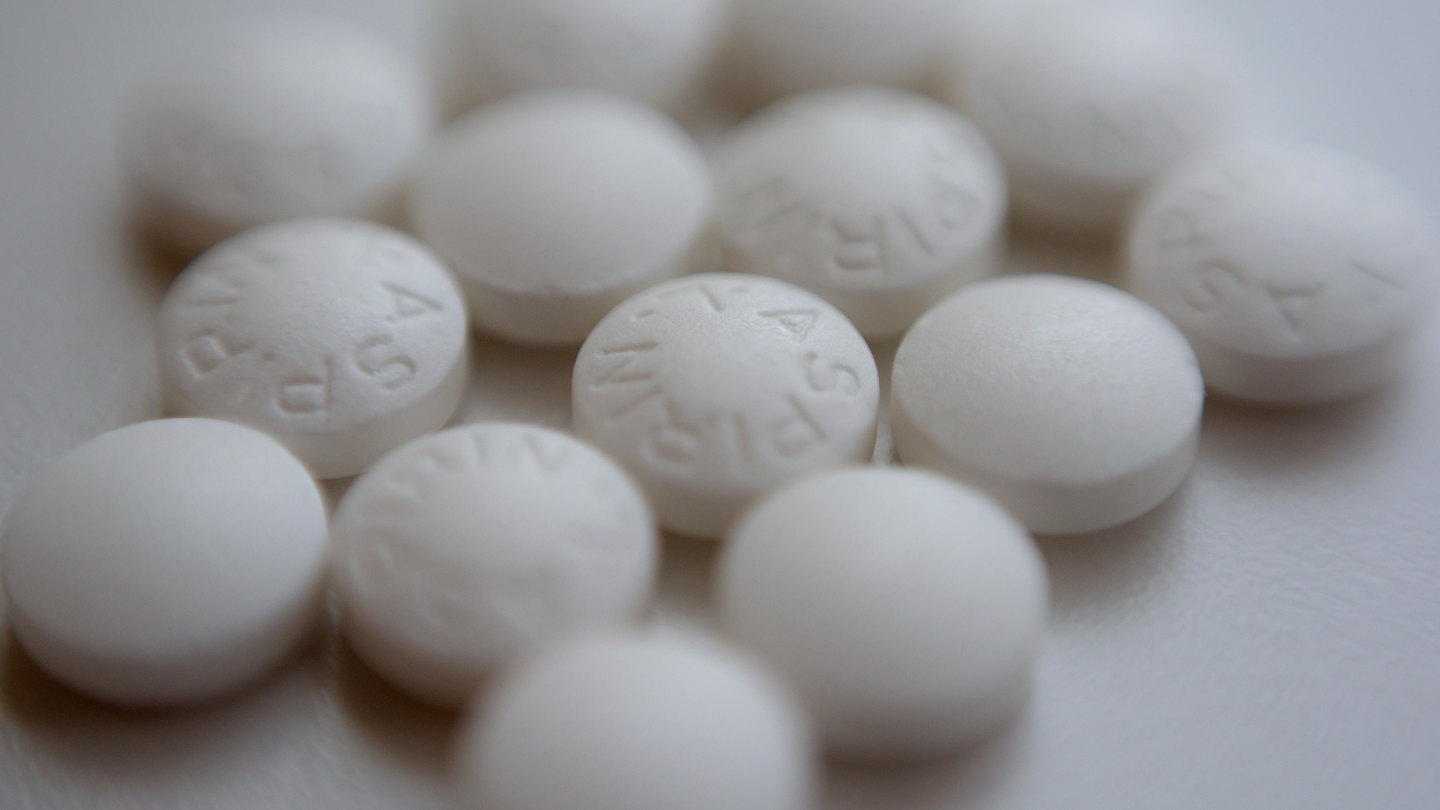
Common Meds Hike Heatstroke Risk
Doctors Urge Vigilance as Temperatures Rise
Certain common medications can dangerously impair your body’s ability to regulate temperature, potentially leading to severe heat-related illnesses like heat exhaustion or heat stroke, according to health experts.
Cooling Mechanisms Compromised
Robie Harrington, a clinical pharmacy specialist at INTEGRIS Health Southwest Medical Center, highlighted several drug classes that interfere with the body’s natural cooling processes. These include antihistamines, such as diphenhydramine (Benadryl), which can reduce sweating.
Beta blockers, like metoprolol and propranolol, may weaken the body’s cardiovascular response and hinder vasodilation, a crucial cooling mechanism. Additionally, SSRIs and SNRIs, including sertraline and venlafaxine, can disrupt core temperature maintenance, increasing the risk of potentially fatal serotonin syndrome.
Heat Interactions and Vulnerable Groups
Diuretics can lead to dehydration and reduced sweating when exposed to heat. Stimulants commonly used for ADHD can elevate metabolism and body temperature, diminishing thirst signals. Some antipsychotics and antidepressants affect brain regions controlling temperature and hormones, impacting regulation and sweating.
Anticholinergic medications, often prescribed for bladder and respiratory conditions, can also inhibit sweat gland activity. Even over-the-counter items like allergy medicines, decongestants, pain relievers, caffeine supplements, and herbal weight loss aids can exacerbate heat sensitivity.
Dr. Harrington noted that young children, pregnant women, and the elderly are particularly at risk. Individuals with chronic conditions such as diabetes, cardiovascular disease, or mental health disorders are also more vulnerable.
Recognizing and Responding to Heat Illness
Symptoms of heat-related illness include dizziness and nausea during prolonged outdoor exposure. A shift from excessive sweating to little or no sweating can signal impending heat exhaustion or stroke. Rapid heartbeat, confusion, muscle cramps, weakness, and a general feeling of unwellness are also warning signs.
“If symptoms occur, move to a cooler place, hydrate, and apply cool, wet cloths to areas like the neck and underarms,” advises Harrington. “When your body can’t cool itself properly, especially in extreme heat, the risk of heat exhaustion or heat stroke rises. In the event of a heat stroke, call 911 immediately.”
—Robie Harrington, Pharm.D., Clinical Pharmacy Specialist
Staying safe in the heat involves consistent hydration, taking frequent breaks in cool environments, avoiding outdoor activity during peak temperatures, and wearing light, breathable clothing.
Caregivers should monitor individuals on heat-sensitive medications, knowing their prescriptions and having a plan to help them cool down if necessary.
The Centers for Disease Control and Prevention (CDC) reports that heat is the leading cause of weather-related deaths in the United States, with over 1,500 fatalities attributed to heat during a recent 10-year period (CDC).
