
“`html
Indonesian Fisherman dies of Beriberi Aboard Chinese Trawler Amid Allegations of Forced Labor
Table of Contents
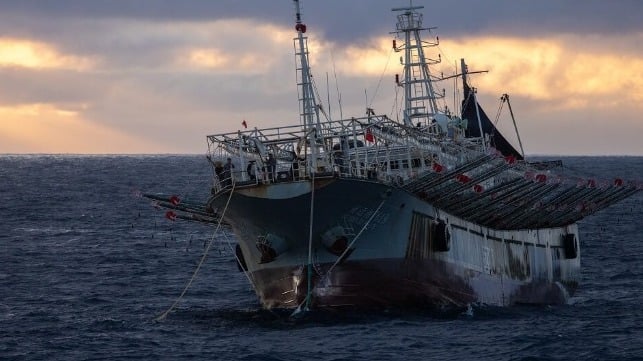
Montevideo, Uruguay – An Indonesian fisherman, identified as Aritonang, died in March 2021 after falling severely ill aboard the Chinese fishing vessel Zhen Fa 7. His death, attributed to likely beriberi, a vitamin B1 deficiency, has highlighted serious concerns about labor conditions and worker abuse within China’s distant-water fishing fleet. The incident has led to import bans and international scrutiny of the industry.
Journey and Deteriorating Conditions
Aritonang, along with fellow Indonesian Anhar, joined the Zhen Fa 7 in September 2019, departing from Busan, South Korea. The vessel, crewed by 30 individuals-20 Chinese and 10 Indonesian-embarked on a Pacific voyage to catch squid in international waters off South America.
By December 2020, the zhen Fa 7 was operating in the highly productive Blue Hole fishery, north of the Falkland Islands. The captain intensified work schedules, leading to a decline in crew welfare.A month later, Aritonang became critically ill, exhibiting symptoms consistent with beriberi, a condition often linked to diets lacking thiamine, such as those heavily reliant on white rice or refined flour.
crew members reported that the Indonesian fishermen received only two boxes of instant noodles weekly, with additional food, drinks, and personal items deducted from their meager salaries of US$250 per month, plus a US$20 bonus per ton of squid caught.
Denied Medical Care and Tragic Outcome
Despite pleas from the Indonesian crew, the captain initially refused to seek onshore medical attention for Aritonang, citing ongoing fishing operations. Anhar, Aritonang’s crewmate, stated the captain’s decision was driven by the need to maximize squid catches.
By February 2021, Aritonang was incapacitated and drifting in and out of consciousness. Facing a potential strike, the captain eventually agreed to transfer Aritonang to a nearby fuel tanker, the marlin, on March 2, 2021. Six days later, he was disembarked in Montevideo, Uruguay.
Emergency room doctors in Montevideo attempted to save Aritonang, but he was pronounced dead. A local interpreter, Jesica Reyes, was present to communicate with him in Bahasa Indonesia.
Company Response and International Repercussions
The owner of the Zhen Fa 7, Rongcheng Wangdao Ocean Aquatic Products Co. Ltd., stated it had found no evidence of crew complaints regarding living or working conditions. The company indicated it had referred the matter to the China Overseas Fisheries Association, an industry regulator, which did not respond to inquiries.
The revelations surrounding Aritonang’s death and similar abuses within China’s fishing fleet prompted international action. Hearings were held in the canadian parliament, the EU commission, and the US Congress. In May 2025, U.S. customs and Border Protection banned the import of seafood linked to the zhen Fa 7 due to evidence of forced labor.
| Date | Event |
|---|---|
| September 2019 | Aritonang and Anhar board the Zhen Fa 7 in Busan, South Korea. |
| December 2020 | Zhen Fa 7 operates in the Blue Hole fishery. |
| january 2021 | Aritonang falls severely ill, likely with beriberi. |
| February 2021 | Aritonang is incapacitated; Indonesian crew threatens strike. |
| March 2, 2021 | Aritonang transferred to the Marlin tanker. |
| March 8, 2021 | Aritonang disembarked in Montevideo and later dies. |
| May 2025 | U.S. Customs and Border Protection bans seafood imports from the Zhen Fa 7. |
Did You Know?
Beriberi, caused by a deficiency in thiamine (vitamin B1), has historically been prevalent in environments with limited dietary diversity, such as ships, prisons, and migrant camps, where staple foods like white rice or refined flour are common.
Pro Tip: Understanding the nutritional content of staple foods is crucial for preventing deficiency diseases like beriberi, especially in isolated or controlled environments.
What measures can international bodies implement to ensure better oversight of fishing fleets operating in international waters?
How can consumers make more informed choices about the seafood they purchase to avoid supporting exploitative labor practices?
Context: The Global Fishing Industry and Labor rights
The global fishing industry is a vital source of food and employment, but it is also plagued by issues of illegal, unreported, and unregulated (IUU) fishing and severe human rights abuses. Distant-water fishing fleets, often operating far from regulatory oversight, are particularly susceptible to exploitation, with crews frequently facing long voyages, risky conditions, and inadequate pay.
Reports from organizations like the International Labour Organization (ILO) and The Outlaw Ocean project have consistently highlighted the prevalence of forced labor, debt bondage, and physical abuse in the maritime sector. Thes issues are often exacerbated by complex supply chains and a lack of transparency, making it arduous to track the origin of seafood and ensure ethical labor practices.
Recent years have seen increased efforts to combat these problems, including stricter import regulations, corporate accountability initiatives, and greater public awareness. For instance, the U.S. Seafood Import Monitoring Program aims to enhance traceability in the seafood supply chain. However, enforcement remains a important challenge, requiring sustained international cooperation and robust monitoring mechanisms.
The International Maritime Organization (IMO) and the Food and Agriculture Organization of the United Nations (FAO) are among the bodies working to improve standards and conditions at sea. Their efforts include promoting the implementation of the Maritime Labour Convention, 2006, which sets out seafarers’ minimum working and living standards.
Frequently Asked Questions about Fishing Fleet Labor Abuses
Q1: What is beriberi and how is it related to fishing vessel conditions?
Beriberi is a disease caused by a deficiency of vitamin B1 (thiamine). It can occur on fishing vessels if the crew’s diet consists mainly of refined grains like white rice, which lack thiamine, leading to health crises among isolated crews.
Q2: What are the typical working conditions for fishermen on Chinese trawlers?
Working conditions can vary, but reports indicate issues such as long hours, low pay, inadequate food, and instances of forced labor and abuse on some Chinese trawlers, as seen in the Zhen Fa 7 case.
Q3: How do import bans on seafood help address labor abuses?
Import bans, like the one imposed by the U.S. on seafood from the zhen Fa 7, exert economic pressure on companies and countries to improve labor practices and can deter future exploitation by making it harder to profit from forced labor.
Q4: What is the role of the China Overseas Fisheries Association?
The China Overseas Fisheries Association is an industry body that regulates China’s fishing industry. Its effectiveness in addressing labor concerns has been questioned, as seen in the lack of response to inquiries regarding the Zhen Fa 7 incident.
Q5: How can consumers ensure their seafood is ethically sourced?
Consumers can look for certifications from reputable organizations, research the origins of their seafood, and support brands committed to transparency and fair labor practices.
Q6: What international laws govern labor conditions at sea?
Key international agreements include the Maritime Labour Convention, 2006, which sets minimum standards for seafarers’ rights, and various conventions by the International Labour Organization (ILO) concerning fishing vessel safety and labor.