
Indonesia Rushes AI Regulation for Digital Sovereignty
Indonesia is working to develop artificial intelligence regulations, recognizing that these rules are essential for digital autonomy. The government aims to establish a robust national AI ecosystem amid swift technological changes.
AI Geopolitics and National Strategy
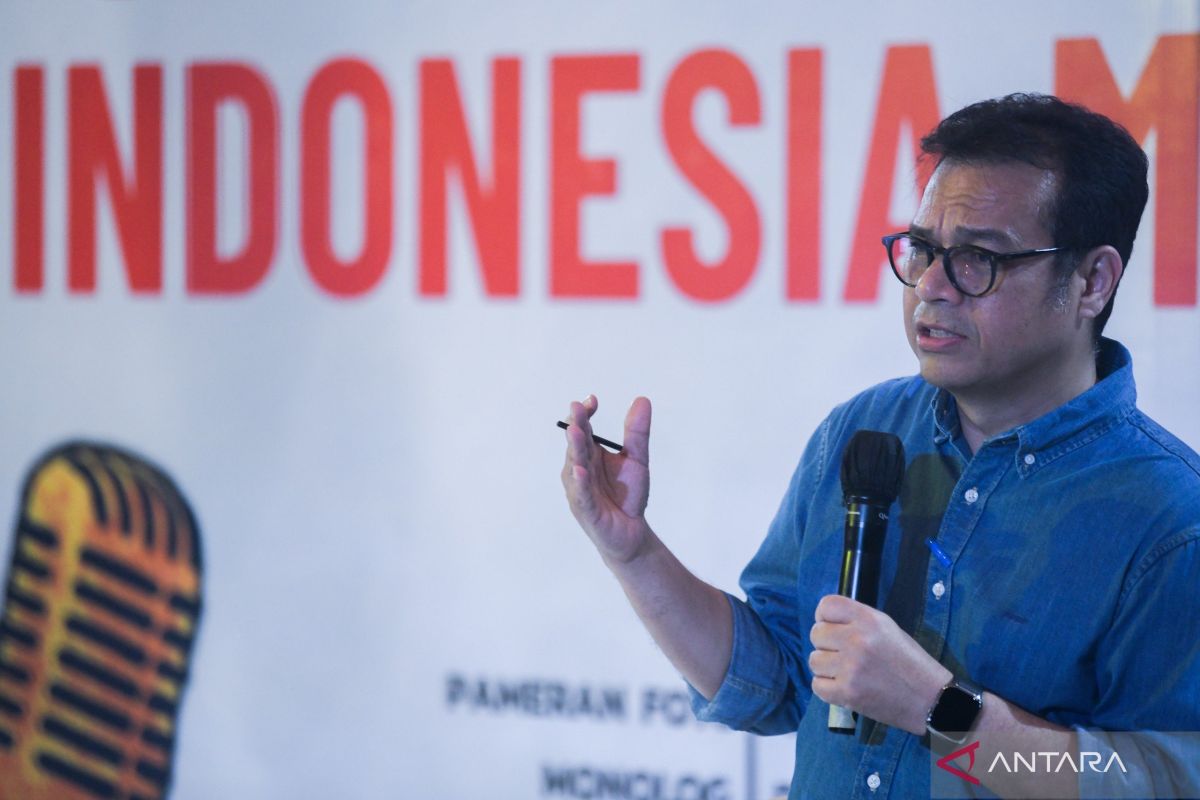
According to Deputy Minister of Communication and Digital Affairs, Nezar Patria, Indonesia must prepare AI regulations. He believes this is essential to shape the geopolitical dimensions of AI development. He cited Kate Crawford’s “Atlas of AI” as a key reference for drafting AI regulations, emphasizing the need for technologically sovereign development.
“Actually, it is very clear that if we want to create one regulation and so on, we must look at the geopolitics of AI development. The Atlas of AI must be a guideline for creating AI regulations for Indonesia if we want sovereign technology,”
—Nezar Patria, Deputy Minister of Communication and Digital Affairs
To build digital sovereignty, Indonesia needs a strong national ecosystem. This involves research, computing, regulation, and digital talent development. In 2024, AI is projected to generate over $1.3 billion USD in the global market, highlighting the economic stakes (Statista).
Challenges and Opportunities
The nation possesses critical natural resources, like nickel, crucial for AI chip manufacturing. Nevertheless, there is currently no comprehensive strategy to integrate these resources into the worldwide AI ecosystem. Patria stressed the importance of developing a robust domestic research center and computing infrastructure.
Indonesia’s R&D spending is only 0.24% of its GDP, slowing its progress toward AI sovereignty. Without sufficient research, achieving sovereign AI becomes difficult. The current reliance on AI models created by developed nations introduces cultural bias. The data often reflects the values of Western nations, potentially stereotyping certain groups.
“So that proves that there are efforts to filter and so on according to existing interests,”
—Nezar Patria, Deputy Minister of Communication and Digital Affairs
Focus on Talent and Infrastructure
Patria pinpointed three main challenges to digital transformation: infrastructure gaps, cyberattack threats, and the digital talent shortage. By 2030, Indonesia will need over 12 million digital talents, but there could be a deficit of 2.7 million. He believes digital talent is the most important factor, suggesting that creative individuals can overcome infrastructure limitations.
Patria added that digital transformation should be seen as an interconnected ecosystem. It links security, the economy, and education while preserving local values. He cited China and India as examples, noting how their talent has allowed them to excel in adopting digital technology, even with limitations.
