
Little Tokyo Graffiti Sparks Debate over Protest and Community impact
Table of Contents
- Little Tokyo Graffiti Sparks Debate over Protest and Community impact
- Mayor Bass Launches Shine LA amid Graffiti Controversy
- Community Divided Over graffiti’s Message and Impact
- LAPD Response and Ongoing Tensions
- Little Tokyo Businesses Grapple with Damage and Disruption
- Conflicting Views on Protest Tactics
- Evergreen Insights: The Broader Context
- Frequently Asked Questions
In June 2025, graffiti protesting ICE’s actions in Los Angeles blanketed Little Tokyo, igniting a debate about the balance between political expression and community impact. Mayor Karen Bass responded by initiating cleanup efforts, but the underlying tensions between protest, property damage, and policing remain palpable.
Mayor Bass Launches Shine LA amid Graffiti Controversy
Mayor Karen Bass participated in a cleanup event in Little Tokyo following protests against ICE (Immigration and Customs Enforcement) that resulted in widespread graffiti. The cleanup was part of Shine LA, a citywide initiative launched in preparation for the 2028 Olympics, aiming to beautify neighborhoods across Los Angeles. The initiative seeks to restore areas affected by vandalism and promote community pride.
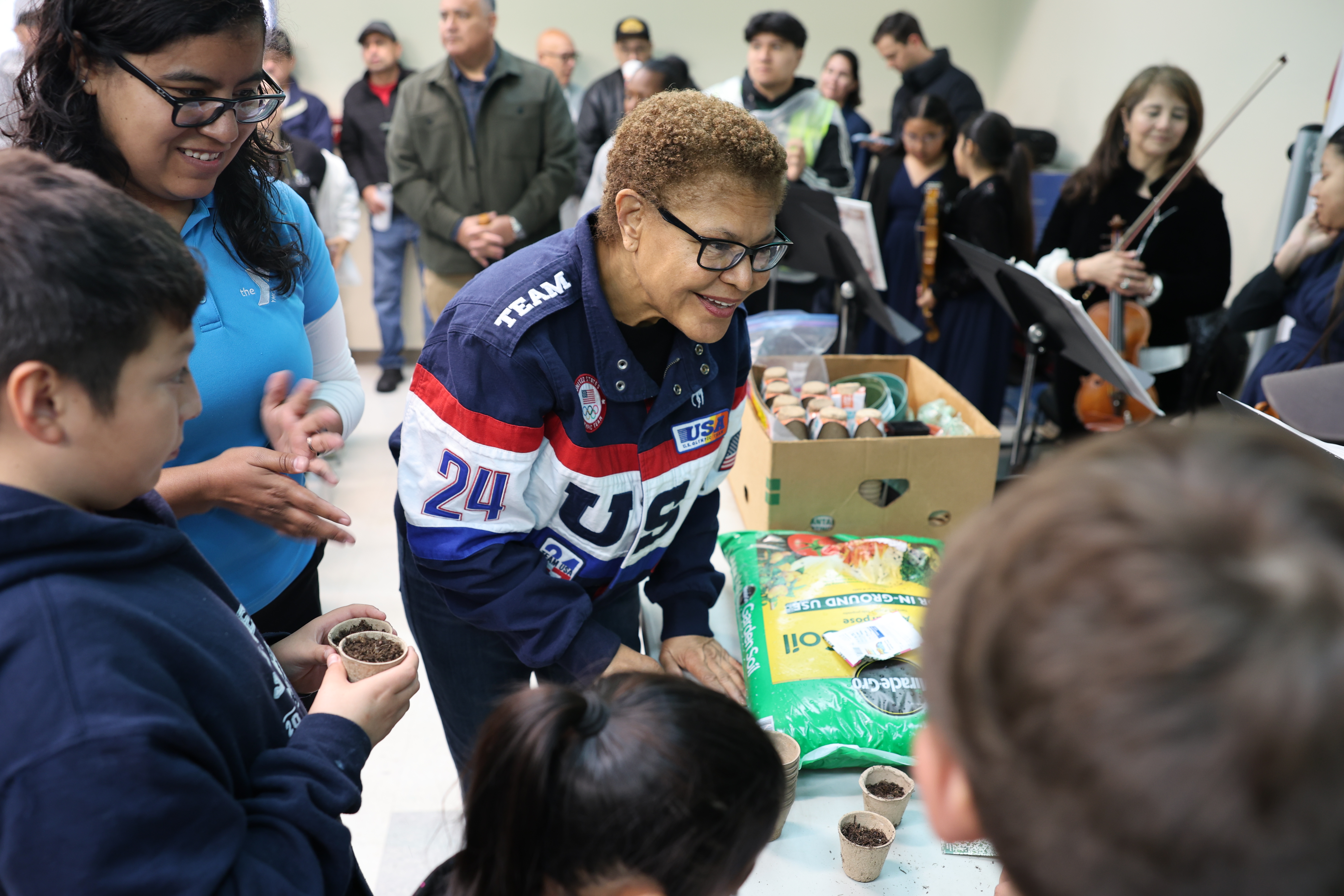
Did you Know? The 2028 Summer Olympics are projected to cost Los Angeles $6.9 billion, with private funding covering the entire budget.
Community Divided Over graffiti’s Message and Impact
The graffiti, largely consisting of anti-ICE slogans, has divided the community. While some view it as a legitimate form of protest against immigration policies, others, including leaders of the Japanese American National Museum (JANM), see it as harmful vandalism that detracts from the neighborhood’s cultural significance. The graffiti included phrases such as “F-ck ICE” and other similar sentiments, reflecting anger over ICE raids and policies.

Bill Fujioka, JANM’s board chair, expressed heartbreak over the vandalism, emphasizing the museum’s importance in preserving the history of Japanese Americans, notably their experiences during World War II internment. Despite his frustration, Fujioka voiced support for the broader protests against ICE, acknowledging the importance of speaking out against injustice, even if it causes disruption.
LAPD Response and Ongoing Tensions
The LAPD’s response to the protests has further fueled tensions. Reports have surfaced of police using tear gas, rubber bullets, and even horses against protesters, raising concerns about excessive force. These actions have drawn criticism,particularly in light of Mayor Bass’s stance against the ICE raids themselves.
Pro Tip: Documenting protests and police interactions can provide crucial evidence of events and help ensure accountability.
Little Tokyo Businesses Grapple with Damage and Disruption
Local businesses in Little Tokyo, already facing challenges from gentrification and rising costs of living, have been significantly impacted by the graffiti and related damage. The cleanup efforts are aimed at helping these businesses recover, but the underlying issues of political expression, community preservation, and policing remain complex and unresolved.
The “emergency Sparkle” event, organized by Little Tokyo Sparkle, drew over 150 volunteers to scrub graffiti off local businesses, highlighting the community’s commitment to revitalization.
Conflicting Views on Protest Tactics
While Mayor Bass condemned the vandalism, the graffiti reflects deep-seated anger and frustration over ICE’s actions within immigrant communities. The debate highlights the tension between the right to protest and the impact of those protests on local businesses and cultural landmarks. The effectiveness and appropriateness of using graffiti as a form of political expression remain contentious issues.
| event | Date | Response |
|---|---|---|
| Anti-ICE Protests | June 2025 | Widespread graffiti in Little Tokyo |
| Shine LA Cleanup | June 2025 | Mayor Bass leads cleanup efforts |
| LAPD Actions | Ongoing | Use of tear gas, rubber bullets, and horses against protesters |
| JANM Response | June 2025 | Condemnation of vandalism, support for anti-ICE protests |
Evergreen Insights: The Broader Context
The events in Little Tokyo reflect a broader national debate about immigration policy, protest tactics, and community responsibility. Graffiti as a form of protest has a long history, often used to express dissent and challenge authority. However, its impact on local communities and businesses can be meaningful, leading to divisions and debates about its appropriateness.
The rise in anti-ICE sentiment is tied to increased scrutiny of immigration enforcement practices and concerns about human rights. Organizations like the ACLU have documented numerous instances of alleged misconduct and abuse by ICE agents, fueling public outrage and calls for reform.
Frequently Asked Questions
- Why did graffiti appear in Little Tokyo?
- Graffiti appeared in Little Tokyo as a form of protest against ICE raids and immigration policies.
- What is Shine LA?
- Shine LA is a citywide initiative led by Mayor Karen Bass to beautify Los Angeles in preparation for the 2028 Olympics.
- How did the Japanese American National Museum respond to the graffiti?
- The Japanese American National Museum condemned the vandalism but expressed support for the broader protests against ICE.
- What actions did the LAPD take during the protests?
- The LAPD used tear gas,rubber bullets,and horses against protesters,leading to criticism about excessive force.
- What impact did the graffiti have on local businesses in Little Tokyo?
- The graffiti damaged local businesses, already struggling with gentrification and rising costs, adding to their economic challenges.
- What is the past significance of JANM?
- JANM preserves the history of Japanese Americans, particularly their experiences during World War II internment, making it a culturally significant landmark.
- How does graffiti relate to freedom of speech?
- Graffiti is a form of expression, but it can conflict with laws against vandalism and property damage, raising questions about the limits of free speech.
What are your thoughts on the use of graffiti as a form of protest? How can communities balance the right to protest with the need to protect local businesses and cultural landmarks?
Share this article and join the conversation!
