
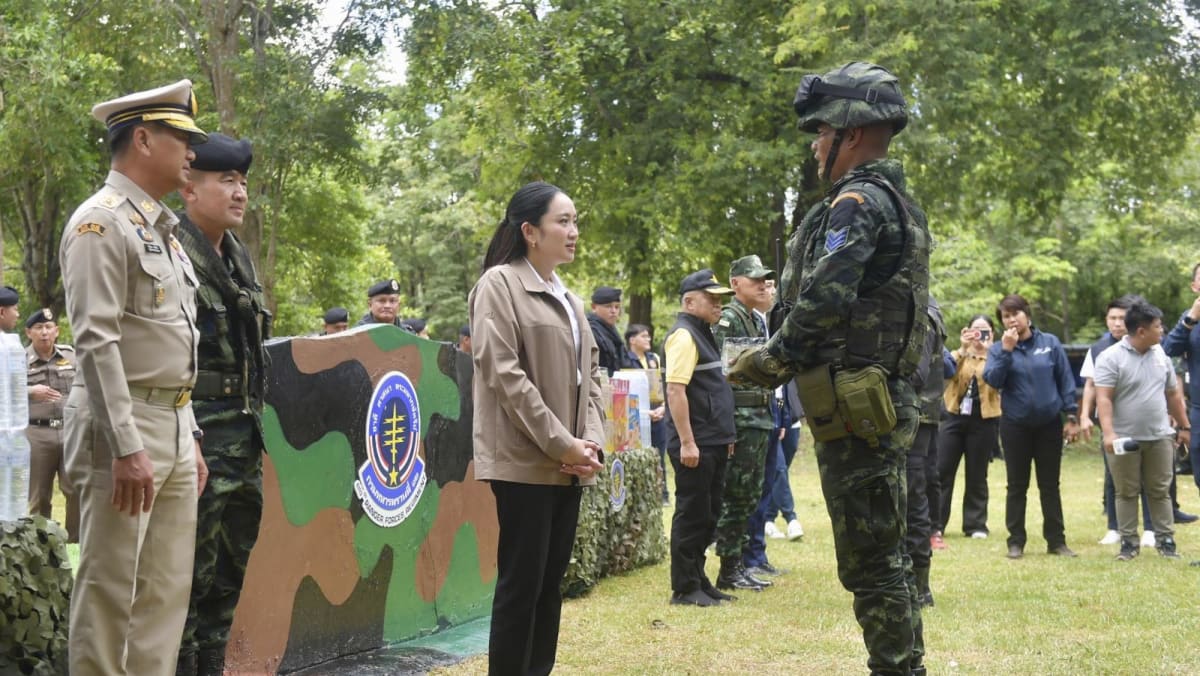
Thai PM Faces Pressure Amid Allegations and Political Fallout
Recent developments see Thailand’s leadership embroiled in controversy, involving allegations of cybercrime, diplomatic tensions, and domestic political challenges. The situation intensifies scrutiny, potentially reshaping the political landscape.
Cybercrime Concerns and Accusations
Earlier in the week, the Thai prime minister linked the growth of illegal online scam operations to Cambodia. However, Cambodian officials have denied any involvement in these activities. Human rights organization Amnesty International has accused Cambodia’s government of deliberately ignoring abuses by cybercrime gangs that traffic people from all over the world into slavery at brutal scam compounds.
Amnesty’s report identified 53 scam centers and dozens more suspected sites across Cambodia, including sites within the capital city of Phnom Penh. In response, a Cambodian government spokesman rejected allegations of inaction.
Political Tensions and Leaked Call
Former Cambodian premier Hun Sen recently visited troops and officials in Oddar Meanchey province, situated across from the Thai province of Surin. Footage showed Hun Sen, wearing military fatigues, arriving via helicopter and meeting with officials in the area. Hun Sen, who is the president of the country’s senate and father of the current premier Hun Manet, maintains significant influence in Cambodian politics.
Reportedly, the veteran Cambodian politician and the Thai premier Paetongtarn once had a strong personal rapport, which was aided by the close relationship between Hun Sen and Thaksin Shinawatra, Paetongtarn‘s father and a former premier of Thailand.
A leaked phone conversation has added to the mounting tensions. In the leaked call, Paetongtarn was heard denigrating a Thai military commander. This act created considerable political pressure on the Thai government because the military holds significant influence in the country.
Consequences and Future Uncertainties
The prime minister has since apologized for the call, but the incident prompted the Bhumjaithai party to withdraw from the government coalition. The party announced plans to seek a parliamentary no-confidence vote against Paetongtarn and her cabinet over the leaked call. According to the United Nations, approximately 2.7 million people in Southeast Asia are currently trapped in online scams.
Paetongtarn is also under judicial scrutiny. A group of senators has given the Constitutional Court and a national anti-graft body a broad mandate to investigate her actions. The decisions from either body could result in her removal from office. Anti-government groups are organizing a street protest set to begin on Saturday, demanding her resignation.
