
Deadly Fungus Aspergillus Fumigatus Rapidly Spreading Across US
A dangerous fungus, *Aspergillus fumigatus*, is spreading rapidly throughout the United States, prompting warnings from health experts about a potential health crisis exacerbated by rising global temperatures. The fungus, known for “devouring the human body from the inside,” poses a significant threat, particularly to individuals with compromised immune systems.
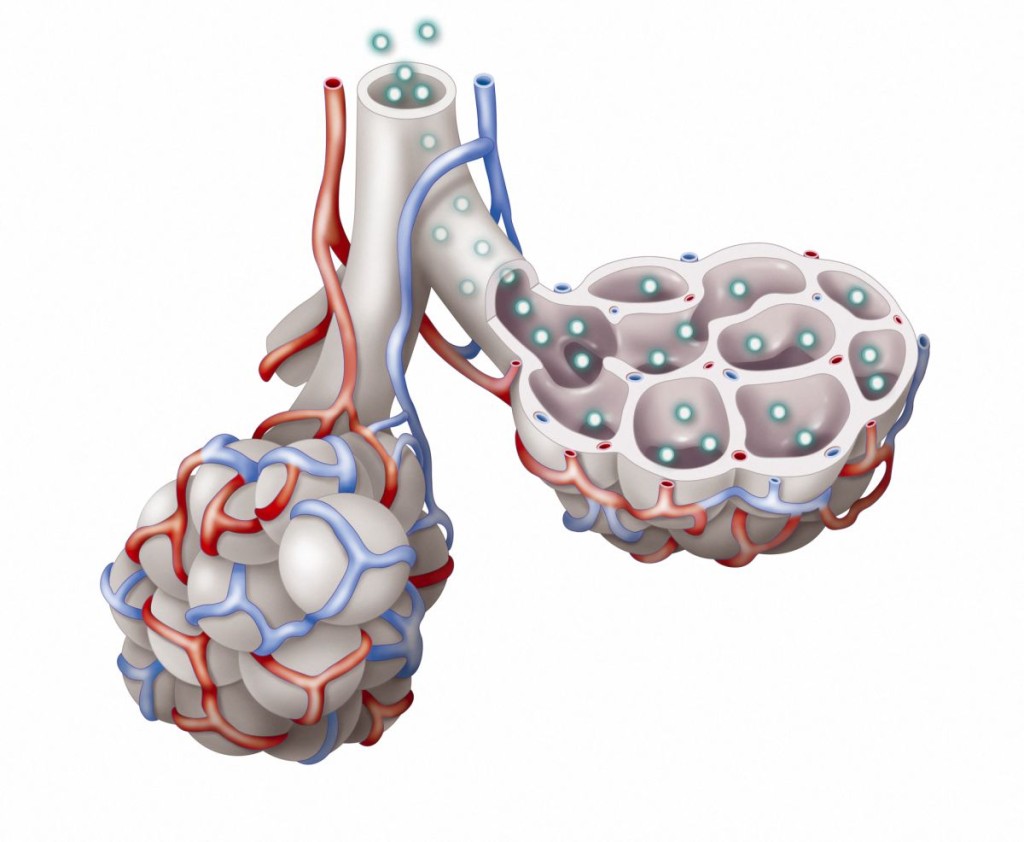
The airborne microspores of *Aspergillus fumigatus* can cause severe lung infections, known as aspergillosis. In vulnerable individuals, this can lead to organ failure and even death. The southern states are currently experiencing the most acute threat, with Florida, Louisiana, Texas, Georgia, and California identified as high-risk areas due to their warm, humid climates and extensive agricultural activities. Major cities like New York, Houston, and Los Angeles also face heightened risks due to population density and aging infrastructure.
Southern States Face Greatest Risk from Aspergillus
A University of Manchester study projects that if current fossil fuel consumption continues, the fungus’s distribution could expand by over 75% by 2100, placing millions more in the southern United States at risk.Co-author Norman van Rhijn, speaking to the Financial Times, emphasized the potential impact on hundreds of thousands of lives and the significant shifts in species distribution expected within the next 50 years.
Did You Know? *Aspergillus fumigatus* is not a reportable disease in the united States, making it arduous to track infections, hospitalizations, and deaths related to the fungus.
Hospitalizations for Aspergillosis on the Rise
Approximately 400,000 cases of chronic pulmonary aspergillosis are expected to develop, while invasive aspergillosis, though less common, is extremely fatal and can spread to vital organs like the brain, heart, and kidneys. A study revealed that the survival rate for organ transplant patients infected with the fungus is only 59%, and a mere 25% for stem cell transplant patients. Hospitalizations for aggressive aspergillosis in the U.S. increased by about 3% annually between 2000 and 2013, reaching nearly 15,000 in 2014, with associated medical costs totaling $1.2 billion (CDC).
| Patient Group | Survival Rate |
|---|---|
| Organ Transplant Recipients | 59% |
| Stem Cell Transplant Recipients | 25% |
pro Tip: Individuals with compromised immune systems should avoid contact with soil and moldy environments to minimize the risk of *Aspergillus fumigatus* infection.
Antifungal Resistance Worsens the Threat
The situation is further complicated by the increasing resistance to azole antifungal drugs, which are widely used in agriculture. Research published in the journal *Applied and Environmental Microbiology* has identified azole-resistant strains of *Aspergillus fumigatus* in farm soils across at least seven U.S. states, many of which are resistant to standard treatment options (*Applied and Environmental Microbiology*). The World Health Organization (WHO) has classified azole-resistant *Aspergillus fumigatus* as a “key priority” threat, urging immediate investment in the development of safer drugs and improved testing methodologies (WHO).
Given that aspergillosis is not a reportable disease in the United states, the lack of systematic tracking of infections, hospitalizations, and deaths hinders effective problem detection. Medical professionals advise individuals with weakened immunity to avoid soil and moldy environments, wear masks in dusty settings, and maintain clean air in their living and healthcare environments.
what measures should be taken to mitigate the spread of *Aspergillus fumigatus*? How can individuals better protect themselves from fungal infections?
Understanding Aspergillus Fumigatus: Evergreen Insights
*Aspergillus fumigatus* is a ubiquitous mold found in soil, decaying organic matter, and indoor environments. While most people inhale *Aspergillus* spores daily without becoming ill, those with weakened immune systems or underlying lung conditions are at higher risk of developing infections. The severity of aspergillosis can range from mild allergic reactions to life-threatening invasive infections.
Historically, aspergillosis was primarily a concern for individuals with severe immune deficiencies. However, the rise of antifungal resistance and the increasing prevalence of immunocompromising conditions have expanded the population at risk. Climate change, with its associated increases in temperature and humidity, is also creating more favorable conditions for fungal growth and spread.
Frequently Asked Questions About Aspergillus Fumigatus
- What is the best way to prevent Aspergillus fumigatus infection?
- Maintaining a healthy immune system is crucial. Avoid exposure to moldy environments, wear a mask in dusty areas, and ensure good ventilation in your home.
- Are there any new treatments for aspergillus fumigatus infections?
- Research is ongoing to develop new antifungal drugs and therapies to combat resistant strains of Aspergillus. Consult with your doctor about the latest treatment options.
- How does climate change affect aspergillus fumigatus?
- Rising temperatures and increased humidity create more favorable conditions for Aspergillus growth and spread, potentially increasing the risk of infection.
Disclaimer: This article provides general information and should not be considered medical advice. Consult with a healthcare professional for diagnosis and treatment of any health condition.
Share this crucial information with your friends and family! Leave a comment below with your thoughts and subscribe to our newsletter for more health updates.
