
“`html
New Injectable Medication Inclisiran Shows Promise in Lowering High Cholesterol
Table of Contents
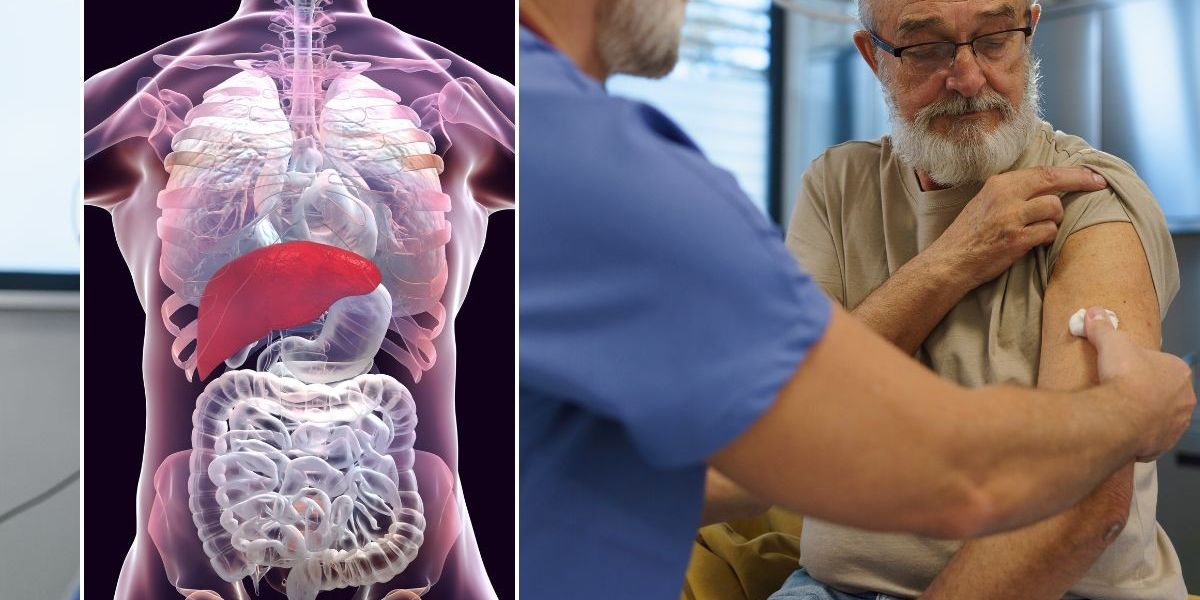
A novel injectable medication, Inclisiran, is demonstrating significant promise in reducing high cholesterol levels, offering a potential alternative for patients who cannot tolerate traditional statins. Administered just twice a year via subcutaneous injection,inclisiran achieved a 47.9% greater reduction in low-density lipoprotein (LDL) cholesterol compared to a placebo in a recent multinational trial.
How Inclisiran Works to Reduce Cholesterol
inclisiran targets a specific protein in the liver that regulates cholesterol levels, employing a novel mechanism distinct from conventional cholesterol-lowering therapies. This innovative approach could be particularly beneficial for individuals experiencing statin intolerance or struggling with daily medication adherence, addressing a critical need in cardiovascular disease prevention.
Did You Know? High cholesterol can lead to plaque buildup in arteries, increasing the risk of heart attack and stroke [2].
Study Details and Results
The phase 3 study, spearheaded by dr. Pam R. Taub from the University of California in San Diego, involved 350 participants with an average age of 46.1 years, 62.6% of whom were women. published in the *Journal of the American College of Cardiology* on June 9, the research focused on individuals without a history of atherosclerotic cardiovascular disease, diabetes, or familial hypercholesterolaemia.
Participants were randomly assigned to receive either subcutaneous Inclisiran, oral ezetimibe, or a matching placebo. The Inclisiran group received injections on days one and 90, with researchers measuring the percentage change in LDL cholesterol levels from baseline to day 150 as the primary endpoint.
The Inclisiran treatment also outperformed ezetimibe, achieving a 35.4% greater reduction in LDL cholesterol levels. Moreover, the injectable medication demonstrated additional cardiovascular benefits, reducing lipoprotein(a) levels by 25.2% compared to placebo and 24.3% compared to ezetimibe by day 150.
safety data from the study indicated similar rates of treatment-emergent adverse events across all three study groups. Researchers reported no new safety concerns,suggesting the drug’s favorable tolerability profile could make it particularly suitable for patients who have previously experienced difficulties with other cholesterol-lowering medications.
| Treatment | LDL Cholesterol Reduction (vs. placebo) | Lipoprotein(a) Reduction (vs. Placebo) |
|---|---|---|
| Inclisiran | 47.9% | 25.2% |
| Ezetimibe | N/A | 24.3% |
Pro Tip: Maintaining a healthy diet and regular exercise are crucial for managing cholesterol levels, even with medication [3].
Unmet Clinical Needs and Future Research
“There is a significant unmet clinical need for therapies that address both statin intolerance and adherence in primary prevention,” the researchers noted. “Inclisiran is potentially uniquely positioned to meet these challenges owing to its first-in-class mechanism of action, favorable safety profile, and infrequent twice-yearly dosing.”
the study’s limitations included its short follow-up duration and limited sample size, preventing evaluation of cardiovascular outcomes. Direct comparisons with statins, anti-PCSK9 monoclonal antibodies, or bempedoic acid were not conducted.
The research received funding from Novartis Pharma, with several authors reporting compensation as principal investigators or consultants, and some serving as employees or shareholders of the funding agency.
Understanding High Cholesterol
Cholesterol is a waxy substance found in yoru blood. Your body needs cholesterol to build healthy cells, but high levels of cholesterol can increase your risk of heart disease. high cholesterol can lead to the formation of plaque in the arteries,narrowing or blocking them and potentially leading to heart attack or stroke [2].
Evergreen Insights: Background, Context, Historical Trends
The progress of cholesterol-lowering medications has significantly evolved over the past few decades. Statins,introduced in the late 20th century,became a cornerstone treatment for high cholesterol. Though, statin intolerance and adherence issues prompted the search for alternative therapies. Inclisiran represents a new class of drugs that offer a different mechanism of action and less frequent dosing, potentially improving patient outcomes.
FAQ About High Cholesterol and Inclisiran
What are the two main types of cholesterol?
The two main types of cholesterol are low-density lipoprotein (LDL) cholesterol, ofen referred to as “bad” cholesterol, and high-density lipoprotein (HDL) cholesterol, known as “good” cholesterol [1].
How does high cholesterol affect the body?
High cholesterol can lead to plaque buildup in the arteries, narrowing or blocking them. This
