
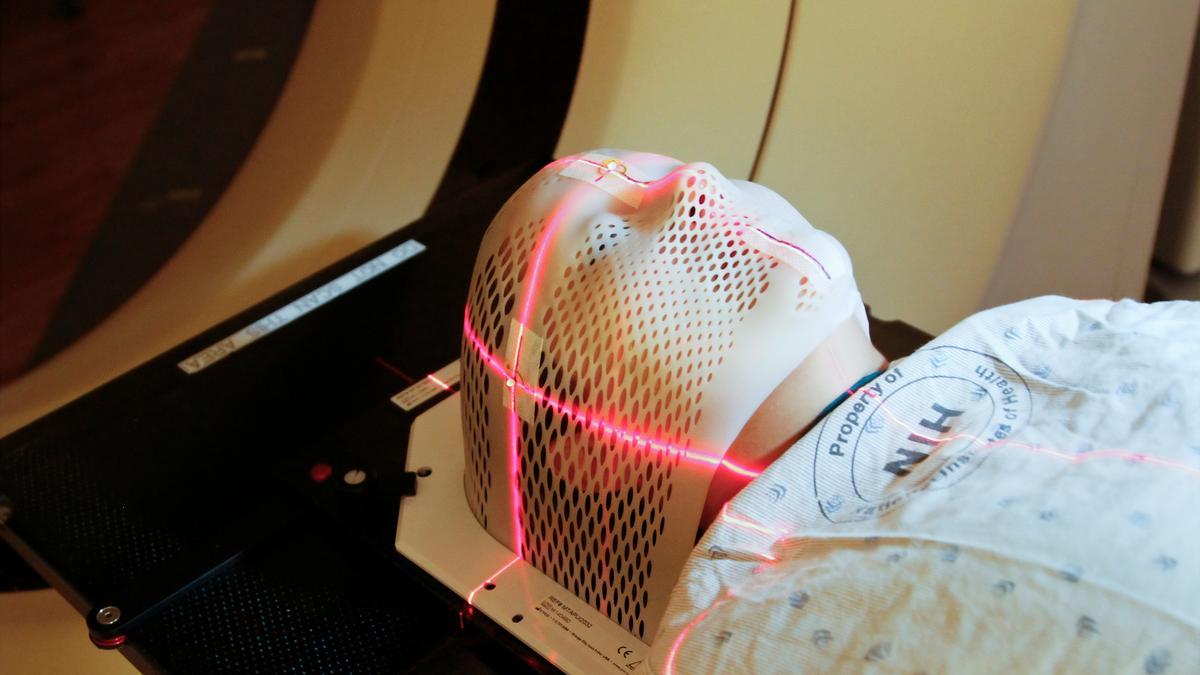
New Cancer Therapy Uses Advanced Proton Therapy
Targeted radiation offers hope for head and neck cancer patients.
A cutting-edge radiation technique shows promise in treating a rare form of cancer. This innovative method, using step-and-shoot spot-scanning proton arc therapy (SPArc), precisely targets tumors, potentially reducing harm to healthy tissues. The initial results are encouraging for those battling head and neck cancers.
Precise Targeting with SPArc
A team of U.S. specialists has successfully utilized SPArc therapy to treat a patient with adenoid cystic carcinoma for the first time. This technique delivers proton beams directly to tumors, while avoiding surrounding healthy tissues. The findings were published in the *International Journal of Particle Therapy* in June 2025.
“This is definitely significant,”
—Narayana Subramanian, Head and Neck Surgical Oncology at Aster International Institute of Oncology, Bengaluru
The SPArc method reduced radiation exposure to crucial areas like the brainstem, oral cavity, and spinal canal, compared to the standard of care. Cancer treatment costs can vary widely; the average cost of radiation therapy can be between $10,000-$50,000, depending on the type and the facility, a fact that makes these precise therapies very important.
How the Therapy Works
The step-and-shoot SPArc technique was used on a 46-year-old woman whose cancer had spread along a facial nerve. She underwent 33 sessions of the therapy, experiencing minor skin irritation. According to the American Cancer Society, traditional radiation treatment side effects for head and neck cancers can include fatigue and nausea.
The treatment plan included a computer program, which assessed possible proton beam delivery spots. During each session, a cone-beam computed tomography (CBCT) scan was used. The team adjusted treatment from the 13th day, when the scan revealed the woman had lost weight, impacting tumor dose coverage.
The gantry was set up with nine beam angles, delivering radiation in 15–18 minute sessions. The methods employed had a common goal of delivering a fixed total dose in 33 daily treatments, ensuring precision.
