
Water Cremation: Eco-friendly Funeral Method Gains Traction Amidst Ethical Concerns
Table of Contents
A novel, eco-conscious funeral practice known as “water cremation” or alkaline hydrolysis is stirring debate as it expands globally.The process, which dissolves human remains in a heated alkaline solution, is under consideration for legal adoption in the United Kingdom, even as some raise ethical objections to the treatment of the resulting wastewater.
What is Water Cremation?
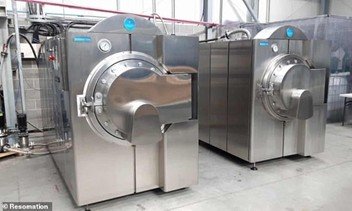
Water cremation, technically termed alkaline hydrolysis, involves submerging a body in a solution of 95% water and 5% alkali chemicals, heated to approximately 320°F (160°C). Over several hours, this process dissolves soft tissues, leaving behind bone fragments and a sterile liquid. The bone fragments are then processed into ash, similar to traditional cremation, and returned to the family. The sterile liquid is disposed of via the municipal wastewater system.
Did You Know? The first commercial alkaline hydrolysis system was developed in 2007 by Bio-Response Solutions in the United States.
The environmental Angle
A key driver behind the growing interest in water cremation is its reduced environmental impact compared to traditional flame-based cremation. Traditional cremation releases notable amounts of carbon dioxide, a major greenhouse gas. Estimates suggest that a single cremation can release around 535 pounds (243 kg) of CO2 into the atmosphere. Water cremation, conversely, uses significantly less energy and produces far fewer emissions. Some studies suggest it reduces greenhouse gas emissions by as much as 90% compared to flame cremation. Furthermore, water cremation avoids the release of mercury emissions from dental fillings, a concern with traditional cremation (EPA).
| Method | CO2 Emissions (approx.) | Energy Consumption | Other Environmental Impacts |
|---|---|---|---|
| Traditional Cremation | 243 kg per body | High | Mercury emissions |
| Water Cremation | Significantly Lower | Low | Minimal |
| Traditional Burial | Varies | Moderate | Land use,embalming fluids |
Ethical and Logistical Hurdles
Despite its environmental advantages,water cremation faces resistance due to ethical and logistical concerns. A primary objection revolves around the disposal of the liquid remains.Some find the idea of human remains being processed as wastewater disrespectful or undignified. As one UK wastewater expert noted, the thought of “mixing people I love with toilet water” is unsettling.
Moreover, regulatory frameworks for wastewater treatment need to be clarified before widespread adoption can occur. Clear legal standards are essential to ensure the safe and ethical handling of the liquid byproduct. The UK’s Co-op FuneralCare, such as, postponed the introduction of water cremation services in 2023 due to the absence of relevant regulations.
Pro Tip: When considering funeral options, discuss all aspects of the process with your family and a trusted funeral provider.
Global Adoption and Future Outlook
Water cremation is currently available in approximately 30 states in the United States, as well as in Canada, South Africa, and Ireland. Costs are generally comparable to traditional cremation, though this can vary by region. As environmental awareness grows and regulations evolve,water cremation is poised to become a more mainstream funeral option. The British Legal commission’s review of related laws signals a potential shift towards greater acceptance in the UK and beyond.
The global market for cremation services is projected to reach $5.2 billion by 2027, driven by factors such as rising death rates, changing cultural preferences, and increasing environmental concerns (Statista). As this market expands, innovative and eco-friendly options like water cremation are likely to play an increasingly prominent role.
The History of Alternative Funeral Practices
The search for alternatives to traditional burial and cremation methods is not new. For centuries, cultures around the world have explored various ways to honor the deceased while minimizing environmental impact. From sky burials in Tibet to natural burials in woodland settings, the desire to connect with nature and reduce our carbon footprint has driven innovation in funeral practices.
Water cremation represents the latest chapter in this ongoing evolution, offering a potentially more sustainable and respectful way to say goodbye.As societal attitudes towards death and the environment continue to evolve, it is indeed likely that we will see even more innovative and eco-conscious funeral options emerge in the years to come.
frequently Asked Questions About Water Cremation
- What is water cremation and how does it work? Water cremation, also known as alkaline hydrolysis or aquamation, is a process where the body is submerged in a heated alkaline solution (water and alkali chemicals) to dissolve soft tissues. The process leaves behind bone fragments and a sterile liquid byproduct.
- Is water cremation environmentally friendly? Yes,water cremation is considered more environmentally friendly than traditional cremation as it uses less energy and emits significantly fewer greenhouse gases,such as carbon dioxide. It also avoids the release of mercury emissions associated with dental fillings.
- What happens to the liquid remains after water cremation? The liquid remains, a sterile effluent, are typically processed through the municipal wastewater system. Experts state that the liquid contains no DNA or tissue residue and is similar in composition to other wastewater.
- Where is water cremation currently legal? As of 2024, water cremation is legal in many states in the United States, as well as in Canada, South Africa, and Ireland. The United Kingdom is currently reviewing its laws to potentially allow the procedure.
- How does the cost of water cremation compare to traditional burial or cremation? The cost of water cremation is generally comparable to traditional cremation,though prices can vary by region and provider. It may be a more affordable option than traditional burial,which involves costs for embalming,a casket,and a burial plot.
- What are the ethical concerns surrounding water cremation? Some individuals express discomfort with the idea of the body being dissolved in a chemical solution and the resulting liquid being processed as wastewater. Concerns often revolve around the perceived dignity and respect for the deceased.
What are your thoughts on water cremation? Would you consider this option for yourself or a loved one?
Share your opinions in the comments below and help us spark a meaningful conversation about the future of funeral practices.
Disclaimer: This article provides general details about water cremation and should not be considered as professional advice. Consult with a qualified funeral provider for personalized guidance.
Enjoyed this article? Share it with your friends and family and subscribe to our newsletter for more insightful news and analysis!
